All images by Alessandra Francesca Coppola
“Fighting and believing in a dream driven by the faith in a team that represents the pride of a city and its people.”
There is no gentle way to explain why Salernitana are in Serie C. Relegation rarely arrives with poetry attached. It arrives with balance sheets, tribunal rulings, and fixture lists that suddenly look unfamiliar. By the summer of 2025, the club had slipped out of Serie B following the relegation play-off, completing a sharp fall from Serie A just a season earlier.
For Alessandra Francesca Coppola, a photographer who has spent years documenting the club and its supporters, league position is only part of the story.
“Salernitana represents that ‘old-school football’ that is slowly disappearing,” she says. “A club from southern Italy that doesn’t benefit from the same privileges as others, especially the big teams.”
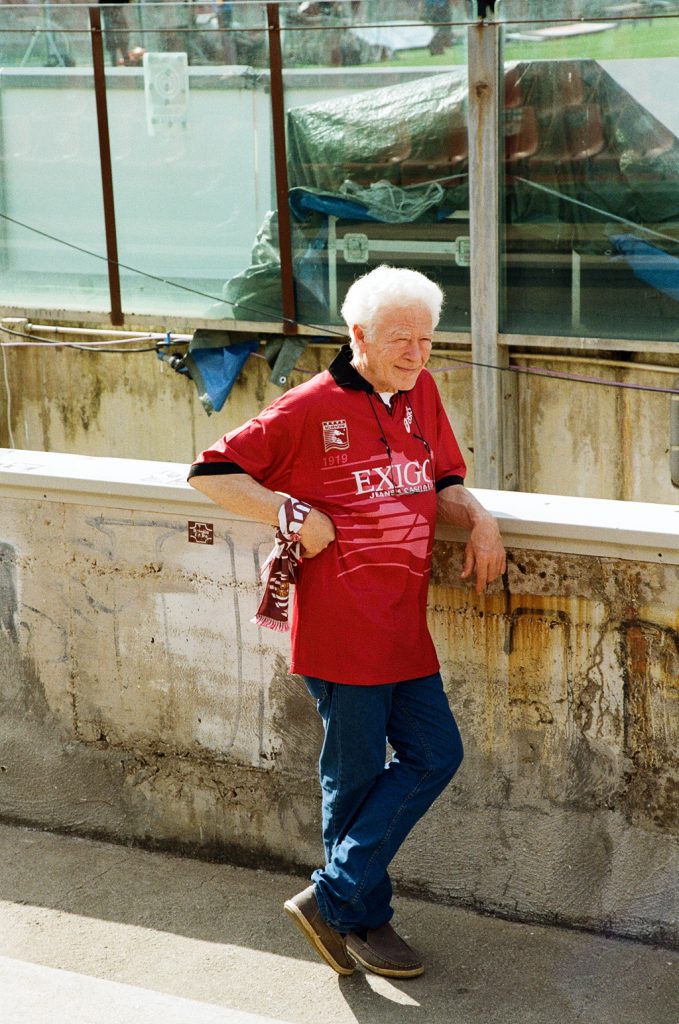
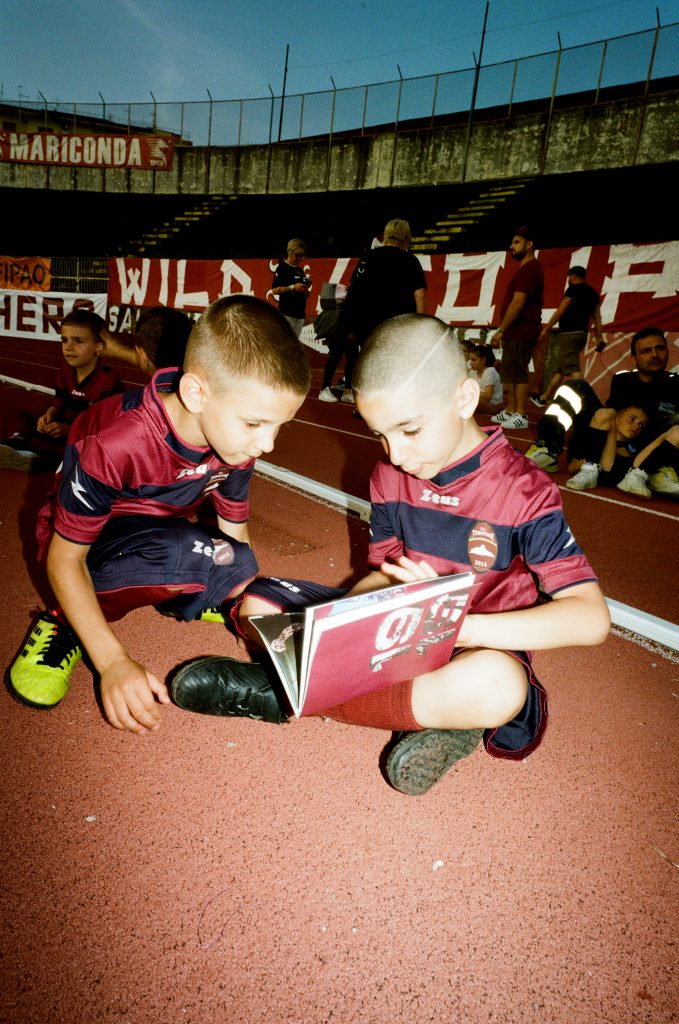
That sense of imbalance has always hung over Salernitana. Founded in 1919, the club has been liquidated, refounded, renamed, and rebuilt multiple times across its history. Stability has come in short spells, usually followed by administrative trouble or relegation. This is not nostalgia; it’s an institutional fact. Salernitana have spent far more of their existence navigating the lower divisions than enjoying the top flight.
When they did return to Serie A in 2021 after a 23-year absence, it came with caveats. Ownership complications linked to Lazio meant the club was forced into a hurried sale before the season even began. Survival on the pitch was achieved. Stability off it was not. By 2024, Salernitana were back in Serie B. By 2025, Serie C.
Alessandra frames it differently.
“You don’t always win, but you always fight, you never give up.”
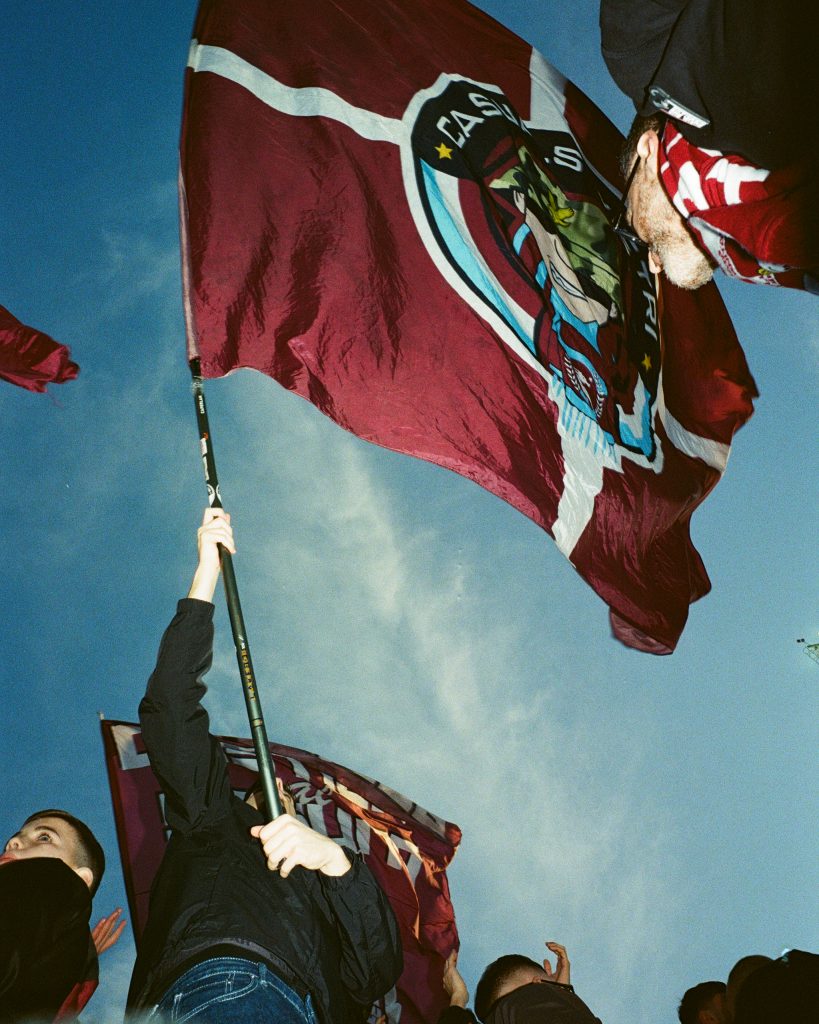
That line sounds like a chant, but it functions more like a diagnosis. Salernitana have never been built to dominate Italian football. They have survived it instead, often noisily, sometimes chaotically, and usually without the protections afforded to clubs with larger commercial pull or northern geography.
Their home ground, the Stadio Arechi, reflects that contradiction. Opened in 1990 and owned by the municipality, it holds nearly 38,000 people, far more than most third-tier grounds. On paper, it’s excessive. On matchday, it makes sense.
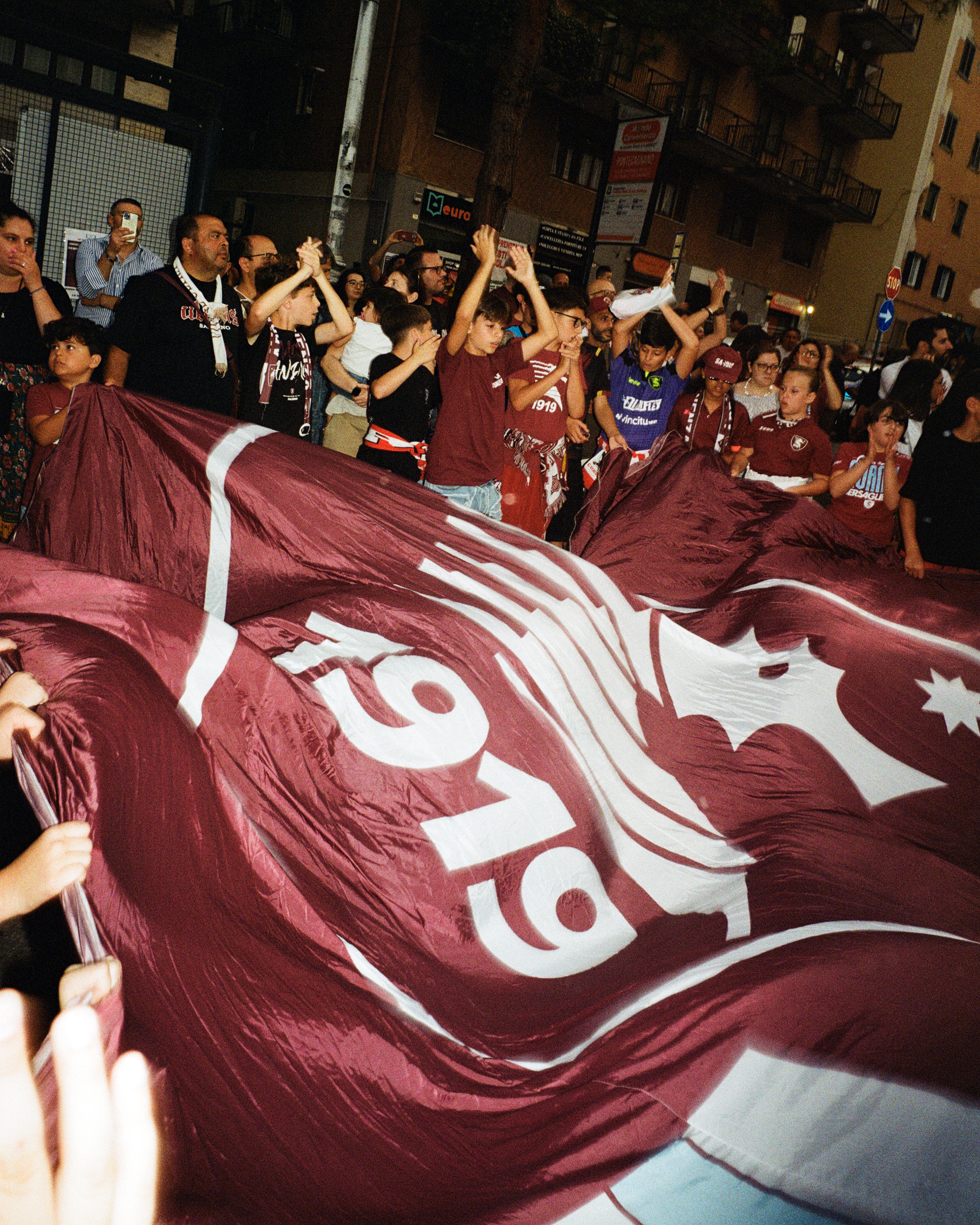
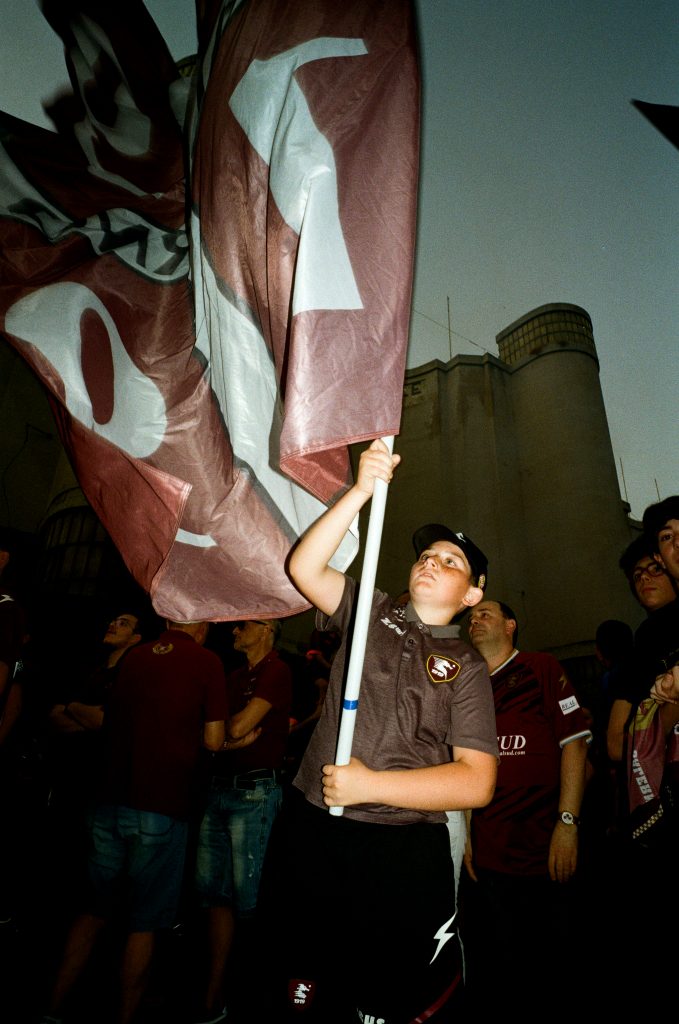
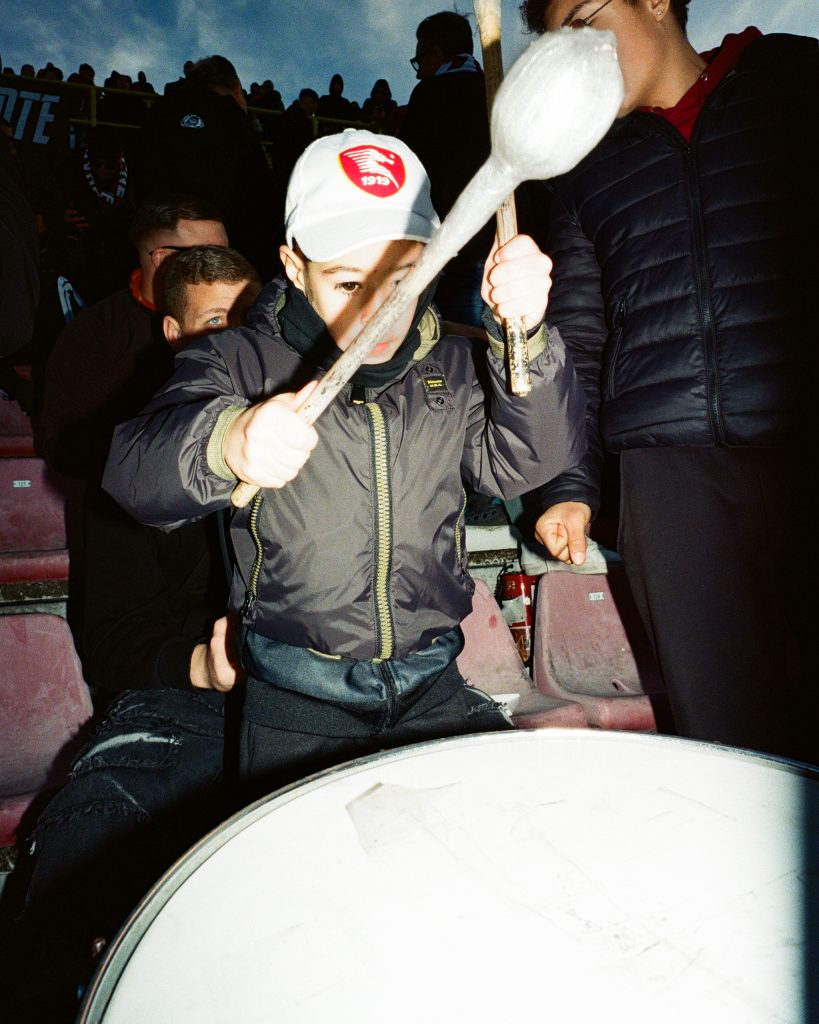
“The Arechi becomes fire,” Alessandra says. “Chants, whistles, flares, flags that turn the Curva Sud Siberiano into a sea of granata.”
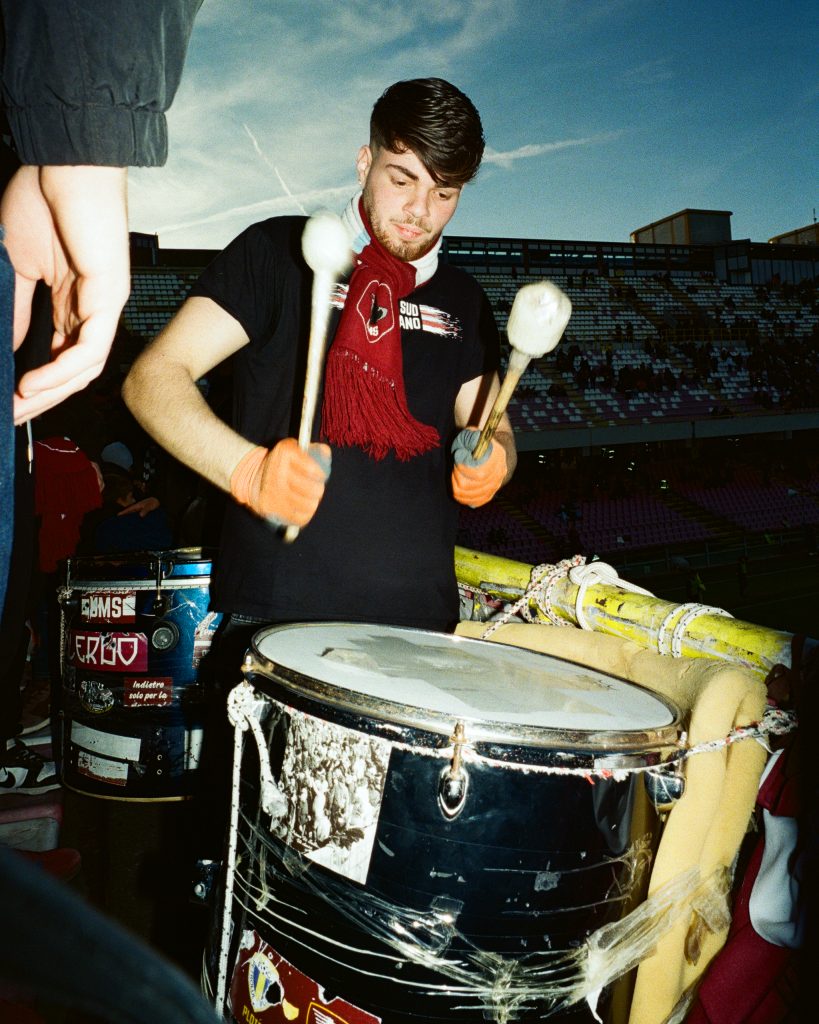
Granata is not just a colour here. It’s shorthand for belonging. Salernitana’s identity has always snapped back to it, regardless of crest redesigns or corporate resets. Players come and go. Owners change. The shirt stays the same.
“The grit and devotion of the Granata supporters are unique and famous throughout Italian football, so much so that even players know about it.”
That reputation travels. Opposing players mention it in interviews. Managers prepare for it. The atmosphere often feels disproportionate to the level of football being played.
“Every match feels like a Champions League final!” Alessandra says — not as exaggeration, but as observation.
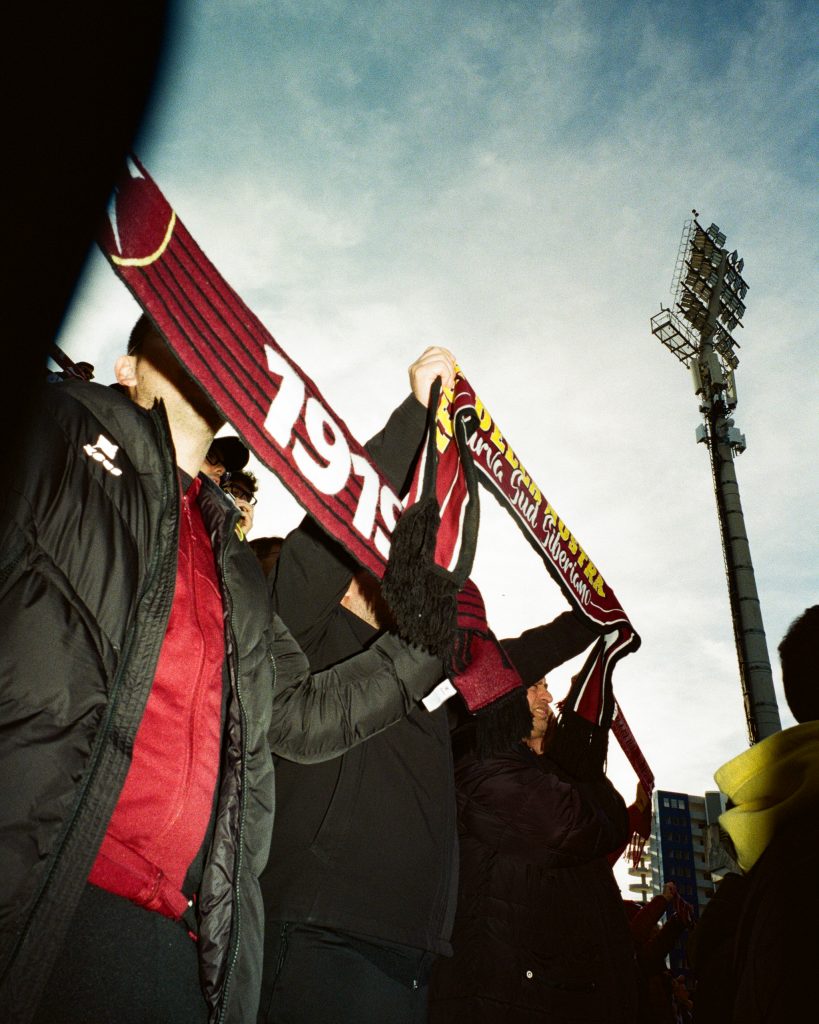
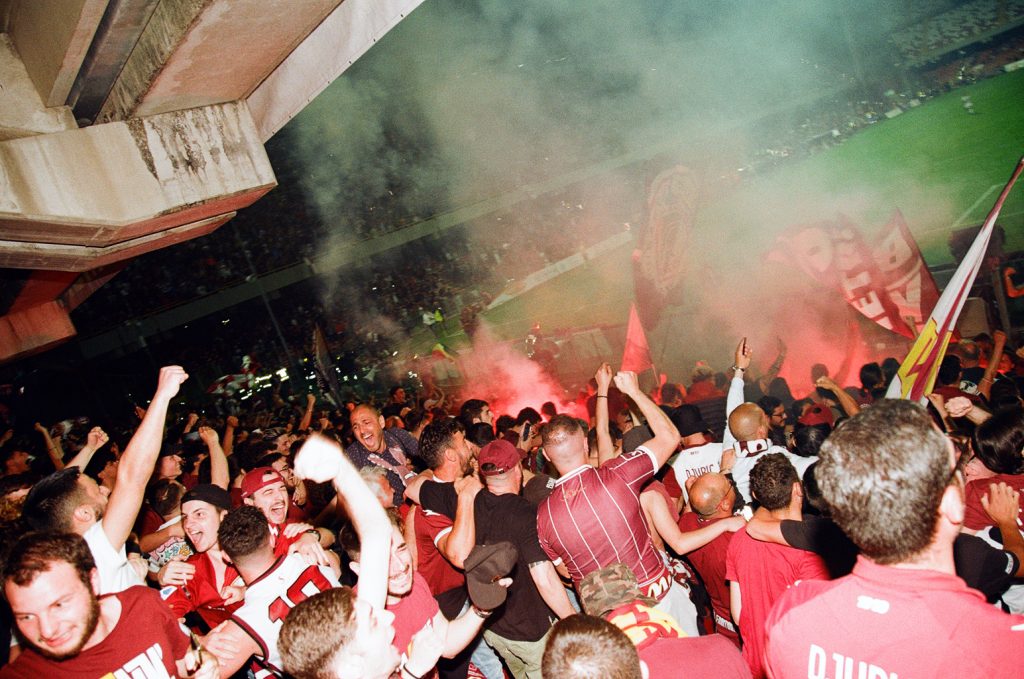
And yet, context matters. Salernitana are not an abstract idea of passion; they are rooted in Salerno, a port city on the Tyrrhenian Sea with a long memory and a defensive sense of self. Founded as a Roman colony in 197 BC, Salerno has spent centuries being passed through, ruled over, and landed upon. During the Second World War, it became a frontline again, hosting the Allied landings of Operation Avalanche in 1943.
Football clubs absorb the psychology of their cities. Salernitana have absorbed Salerno’s: wary of outsiders, sceptical of authority, slow to trust, quick to rally.
That’s why Coppola’s words about belief carry weight in a season like this one.
“And yet here we are, in Serie C, fighting and believing in a dream driven by the faith in a team that represents the pride of a city and its people.”
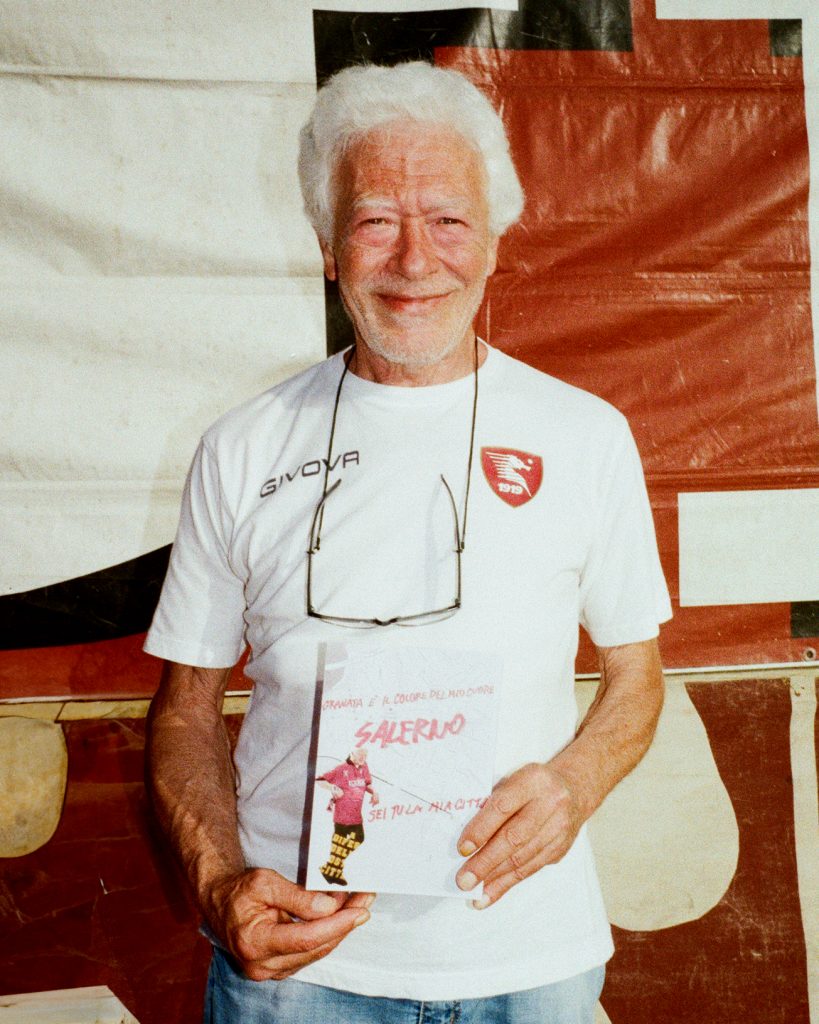
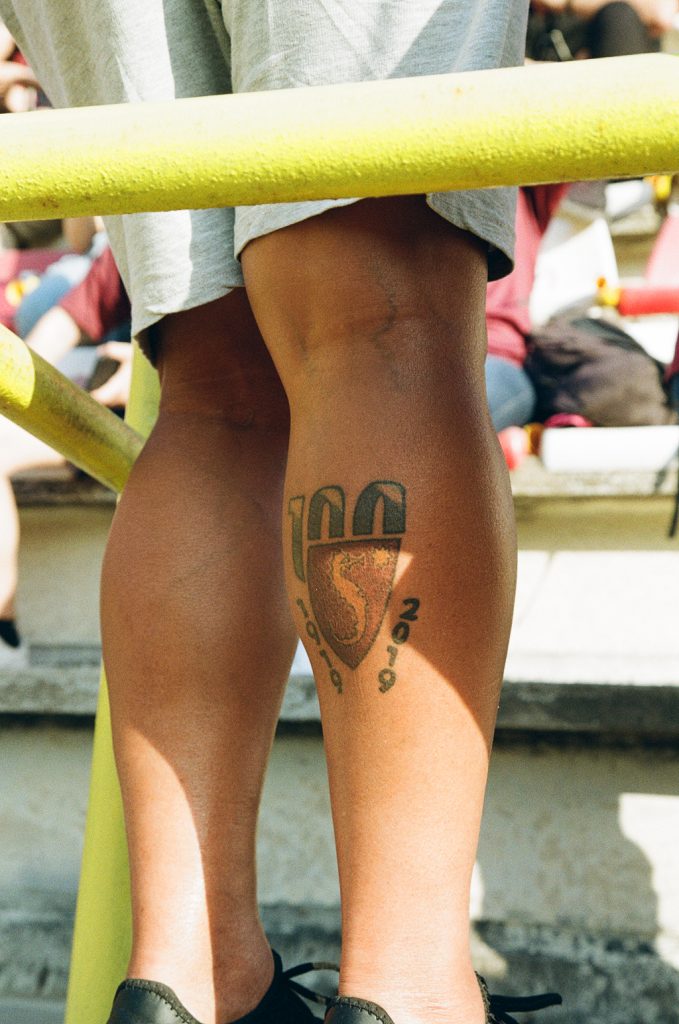
There is no talk here of “sleeping giants” or inevitable returns. Serie C is not treated as a narrative device. It is treated as a place you survive until you don’t have to anymore.
The club’s traditional nickname, Bersagliera, is still sung, still written on banners, still shouted into the cold air on nights when logic suggests staying home.
“Avanti Bersagliera.”
It’s not a rallying cry for glory. It’s closer to a statement of persistence. Keep going. Keep turning up.
In an era where Italian football increasingly mirrors European trends — consolidation, branding, risk management — Salernitana remain awkward to categorise. They are too big to disappear quietly and too unstable to settle comfortably. That tension defines them more than any league table.
Alessandra puts it most plainly when she recalls a chant that cuts through all of it:
“Jamm a vrè, non tifo per gli squadroni ma tifo te” — Let’s be clear, I don’t support the big teams, I support you.
Not success. Not scale. Not the idea of football as a product.
Just the club.
All images by Alessandra Francesca Coppola