Words and images: Markus Blumenfeld
We spoke to filmmaker, storyteller and creator of The Global Game, Markus Blumenfeld, about football and culture in Japan, a country where the sport has been carefully shaped, curated, and woven into everyday life.
From the J.League’s ambitious “hundred-year vision” to rooftop pitches in Tokyo, family-filled terraces in Nagasaki, and train journeys linking cities rarely mentioned in the same breath, Markus reflects on a football culture defined not by chaos or confrontation, but by discipline, balance, and quiet intensity.
His journey traces how the game lives beyond matchday, through fashion, food, design, and shared public spaces—and how Japan has built a football identity that feels uniquely its own.
A Long-Standing Curiosity
Japan had been sitting in the back of my mind for years—a place people describe with the same words they use for good football: precise, disciplined, and beautiful when it all comes together. What finally pushed me to go was hearing about the J.League’s “hundred-year vision,” the idea that a country could try to engineer its football future as carefully as it builds skyscrapers or subway networks. I wanted to see it firsthand.
Following the Game by Rail
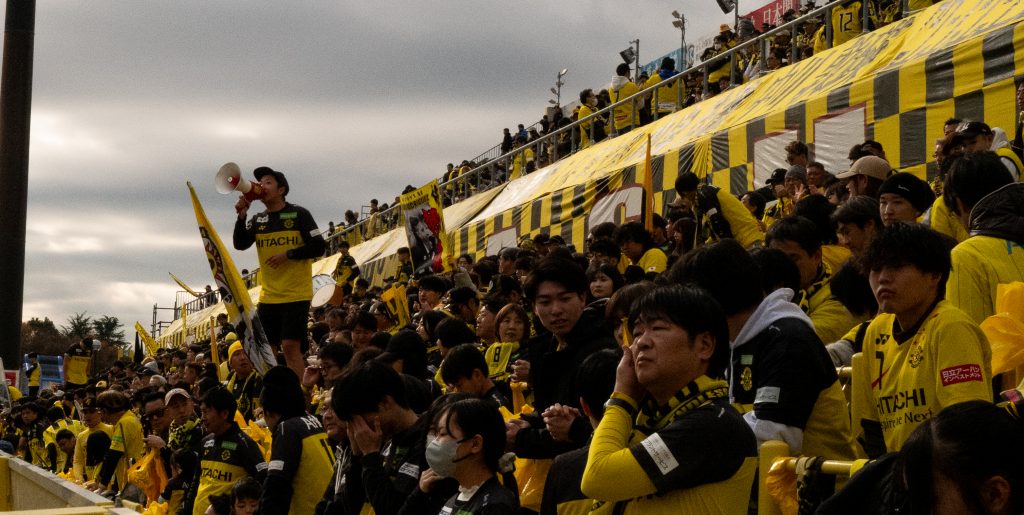
I based myself in Tokyo and moved mostly by train, tracing the game through cities that don’t usually share a sentence: Osaka, Nagasaki, Kashiwa, Iwata, and Tokyo. Along the way, I encountered a football culture that feels singular.
In Japan, football isn’t confined to matchdays; it’s woven into fashion, transit, food, and design. The J.League didn’t simply import the sport; it curated it, selecting the most expressive and beautiful elements from football cultures around the world and shaping something distinctly its own.
Football in the Everyday
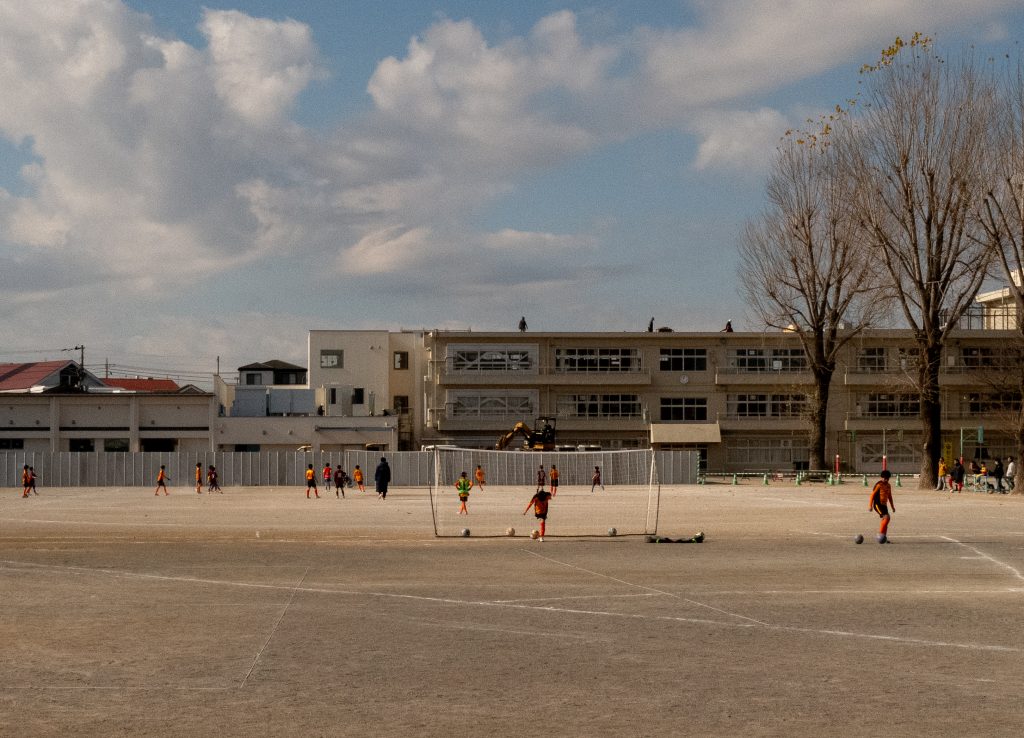
In Japan, the game lives everywhere—maybe not as overtly as in the favelas of Brazil or the beaches of Morocco—but on rooftops in Shibuya, in pickup sessions in parks, and on the racks at 4BFC, where vintage J.League shirts hang beside copies of SHUKYU, a Japanese football culture magazine and design studio.
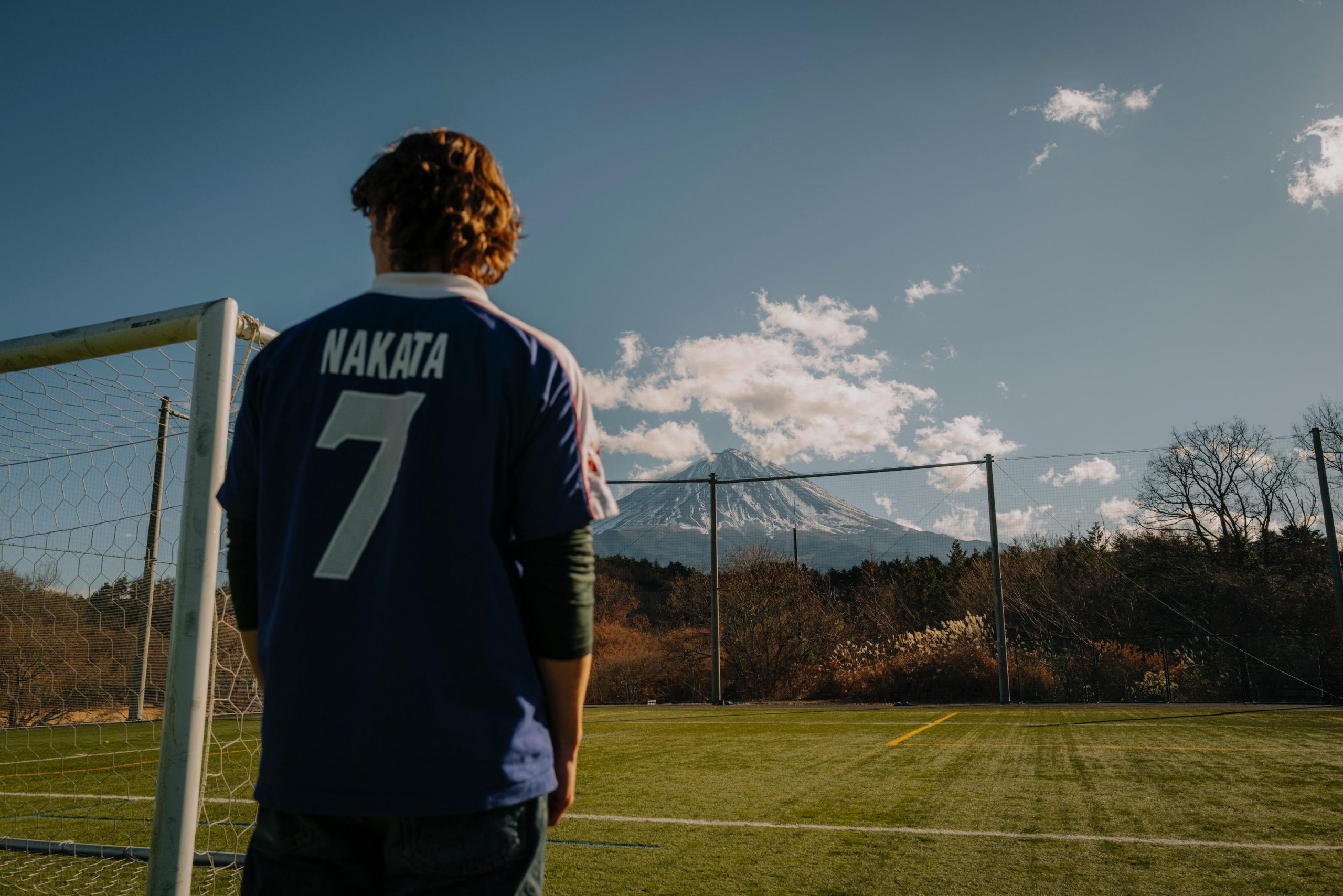
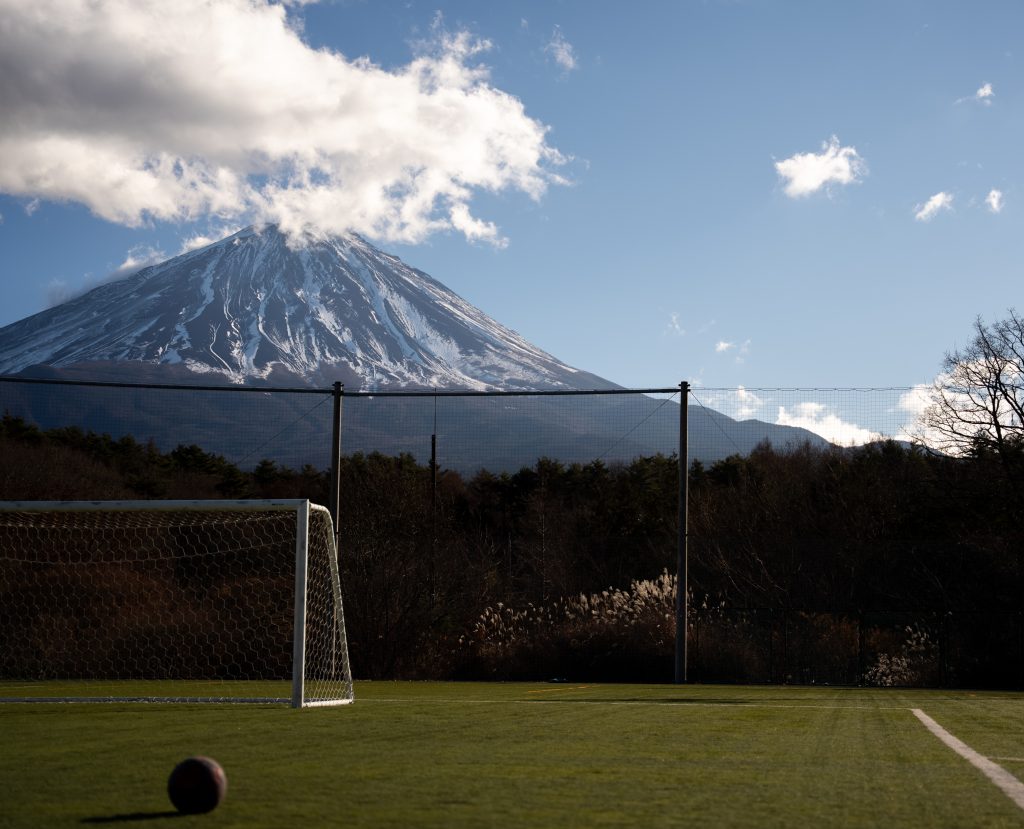
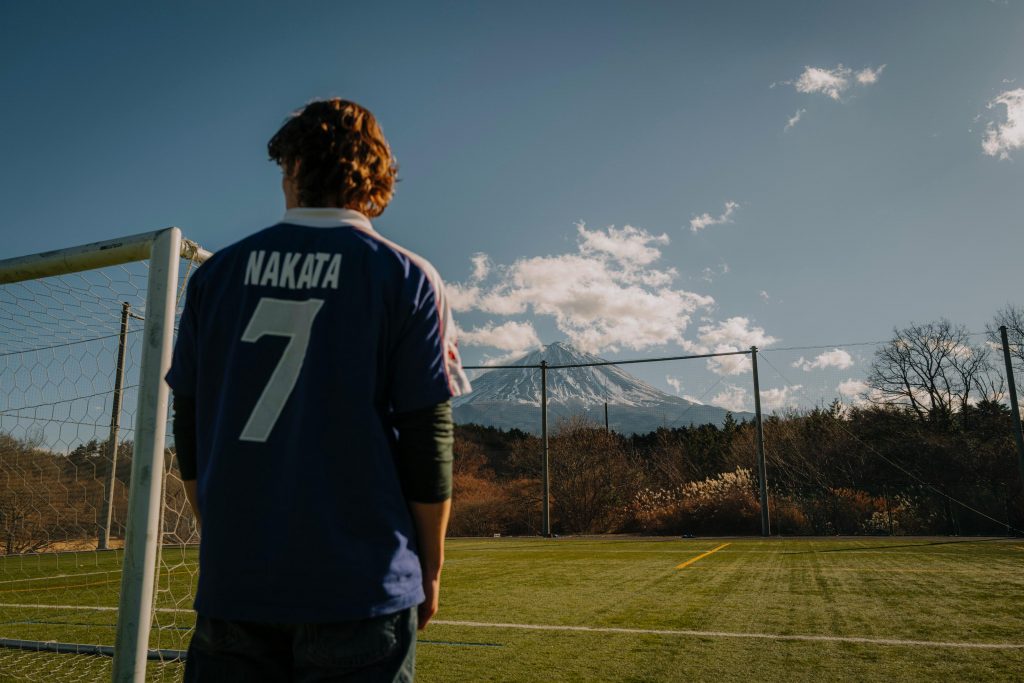
I spent days with my friend Kai just walking and playing, juggling in alleys, trading passes on tiny concrete courts hidden behind apartment blocks, riding trains out toward Mount Fuji to find a pitch with the mountain sitting perfectly behind the goal.
Nagasaki and the Power of Belief
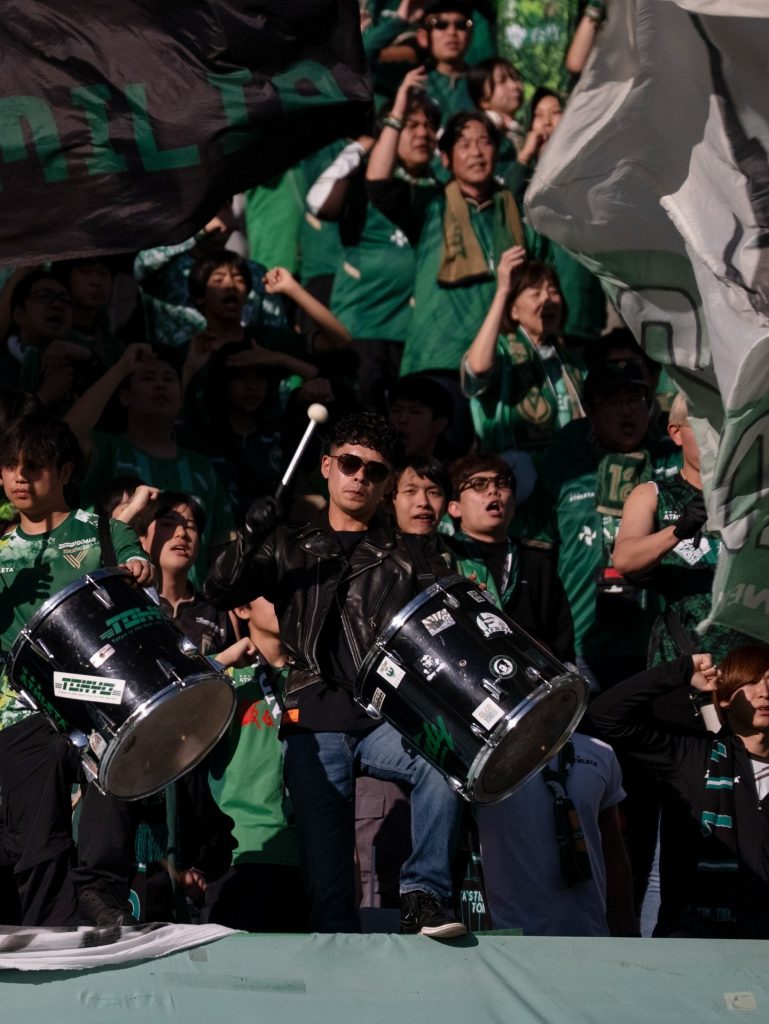
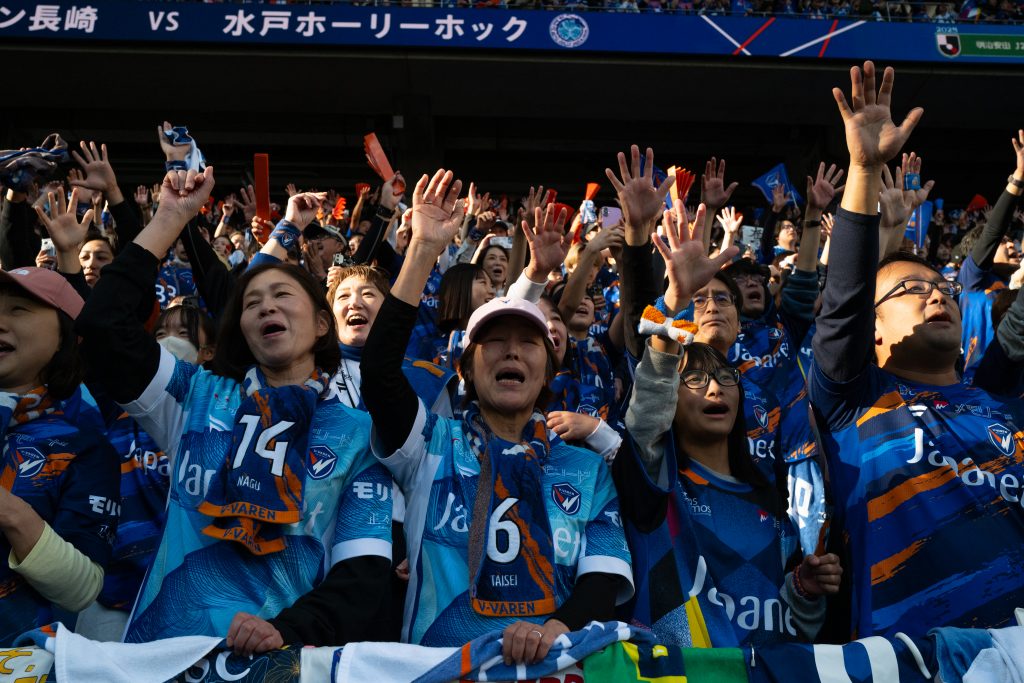
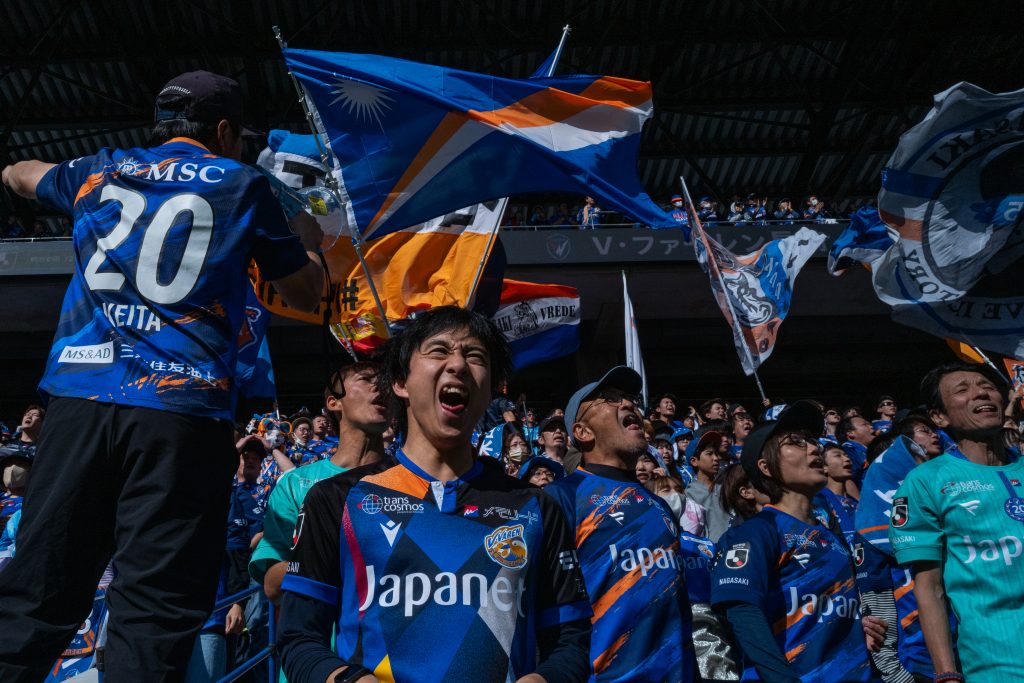
Further south, I stood pitchside watching V-Varen Nagasaki fight for promotion to J1. These fans weren’t the usual suspects I’ve seen in my travels, hooligans with buzzcuts and tattoos, but instead families, elderly women, and children standing shoulder to shoulder, chanting in perfect unison for six hours straight.
A promotion race in the second division had pulled an entire port city into the same rhythm.
Development, Disappointment, and Perspective
In Osaka, at Cerezo’s training ground, academy coaches talked about developing players who can leave for Europe and not get lost—footballers equipped not just technically, but culturally and mentally.
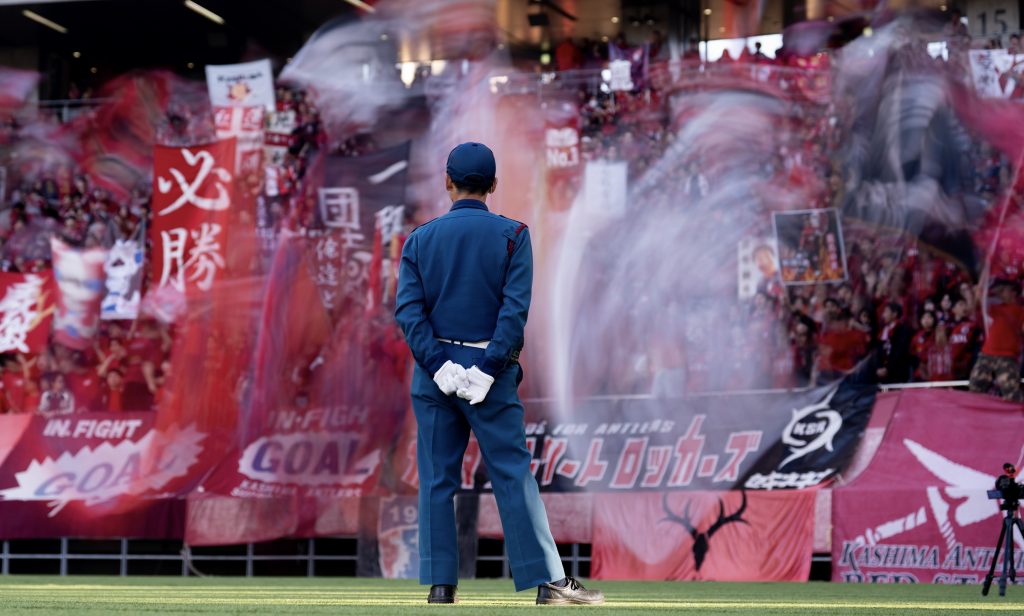
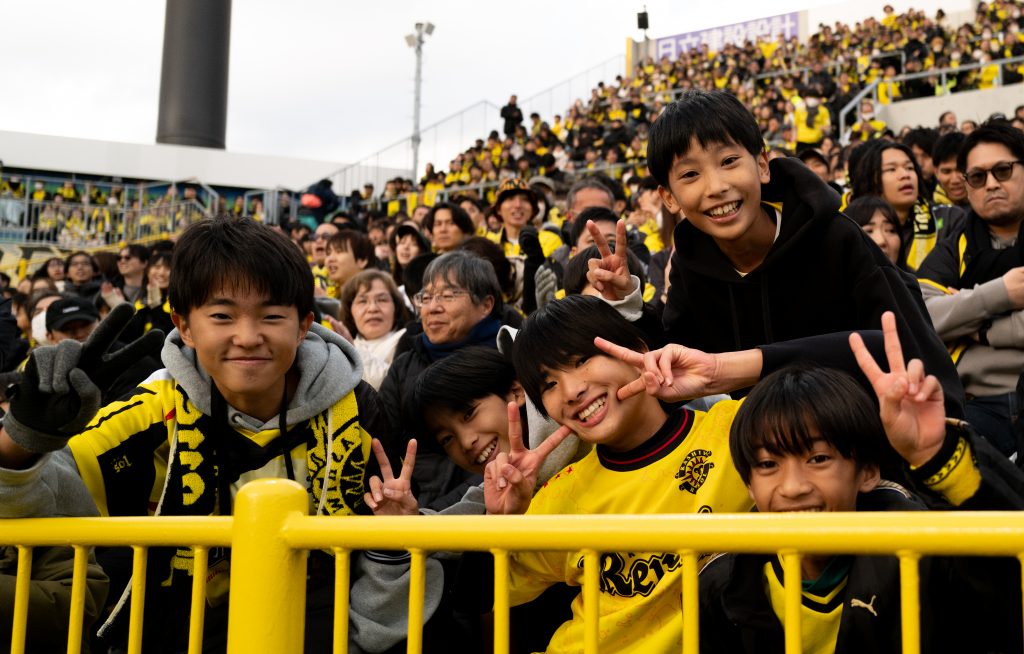
Back near Tokyo, I watched Kashiwa Reysol win their final match of the season, only to miss out on the title by a single point. The margin was brutal, but the response wasn’t. The following day, the team’s captain, Tomoya Inukai, invited me to meet him at his café, sit with his family, and talk about his belief that life is about so much more than football—and the many things he does to live a balanced life.
It’s the kind of invitation that simply wouldn’t happen in most other places.
A Different Kind of Intensity
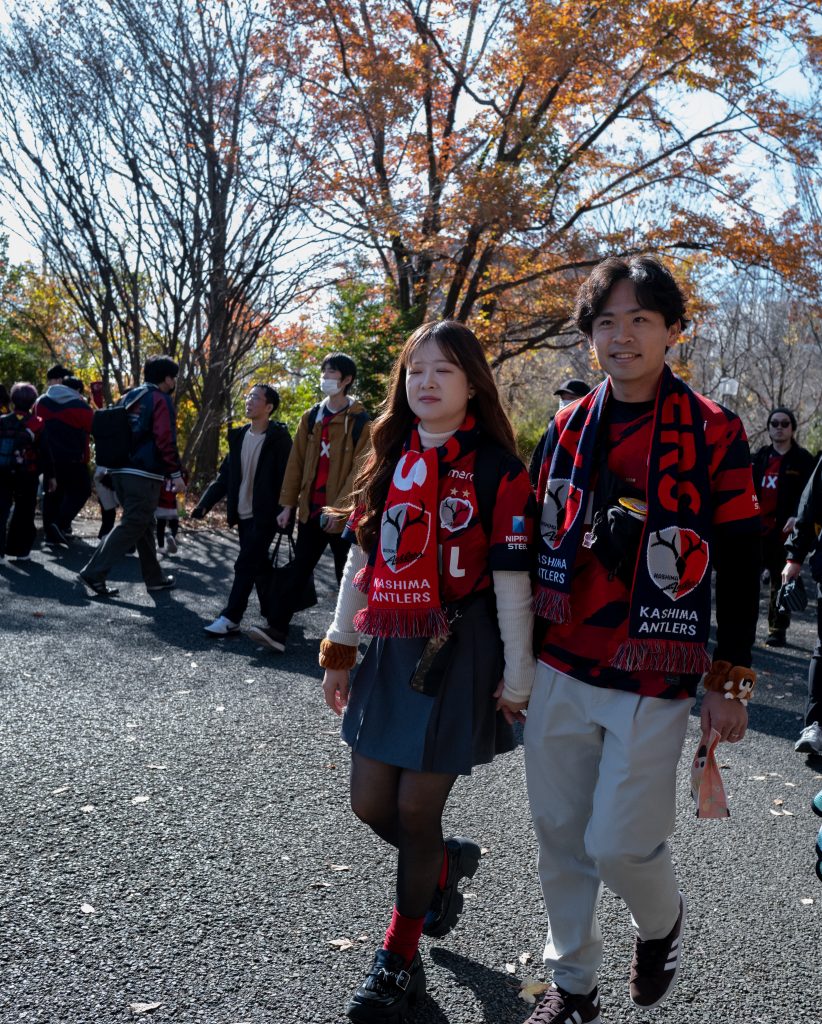
Compared to Brazil or Serbia, Japanese football feels less explosive on the surface, but it runs just as deep. The stands are loud, the tifos huge, yet the atmosphere is strangely gentle—kids and grandparents in the ultras section, orderly queues for yakitori, everyone cleaning up their own mess.
None of this compromises the energy. They don’t need hate to fuel their rivalries, only passion and pride for their club.
Come Hungry
The Japanese brand of football is special, and if you’re lucky enough to visit this beautiful country, come hungry.
Eat what’s sizzling outside the stadium—yakitori, karaage, regional specialities you can’t pronounce yet. Ride trains to places that aren’t in the guidebooks. Get lost in side streets and izakayas. Go to a J.League match. Join the crowd and relish the songs and the atmosphere.
Have a freshly poured Japanese beer. Have another. Make friends in the stands and experience a culture and passion for football unlike anywhere else in the world.

Words and images: Markus Blumenfeld
Markus Blumenfeld is the creator of The Global Game, a docu-series that captures the stories, fans, and moments that make football special. Using the beautiful game as a lens to view the world, the series explores football as an unspoken language—one that connects people from different places, backgrounds, and cultures. A uniting force in a divided world.
You can also find The Global Game on YouTube