Words and Images: Joey Corlett
Before the Final: A Nervous Send-Off
Across two home games in Lanús, I was lucky enough to witness both the pensive before and the jubilant after, as their barrio club collected its second Copa Sudamericana following a penalty shootout victory over Atlético Mineiro.
Sadly, I couldn’t make the long round trip to Paraguay for the final itself, but from a nervous send-off to an ecstatic return, it was fascinating to observe a rollercoaster three weeks for El Granate up close and personal.
As the birthplace of Diego Maradona — Argentina’s modern patron saint of football — Lanús had long intrigued me while planning my groundhopping itinerary around Buenos Aires. The week before I arrived in Argentina, Lanús had overcome Universidad de Chile 3–2 in the semi-final to book their place in South America’s equivalent of the Europa League showpiece.
On the eve of my second weekend, I noticed Lanús were hosting Atlético Tucumán in their final regular league game of the 2025 Clausura. The home side sat comfortably in the table, having already qualified for the knockout playoff stage, meaning most attention was firmly fixed on the upcoming continental final.
Journey South: Into Granate Territory
Thanks to Jamie and Eduardo, I managed to secure a ticket and set off via the 74a bondi from the microcentro of Buenos Aires, heading south. Lanús lies just outside the capital and forms part of the wider Buenos Aires province.
Home to more than 450,000 people, Lanús is historically tied to industry — chemical, textile, paper, leather and rubber goods all manufactured locally. In researching the area, I discovered that one of Argentina’s most celebrated rock nacional bands, Babasónicos, was formed there, too.
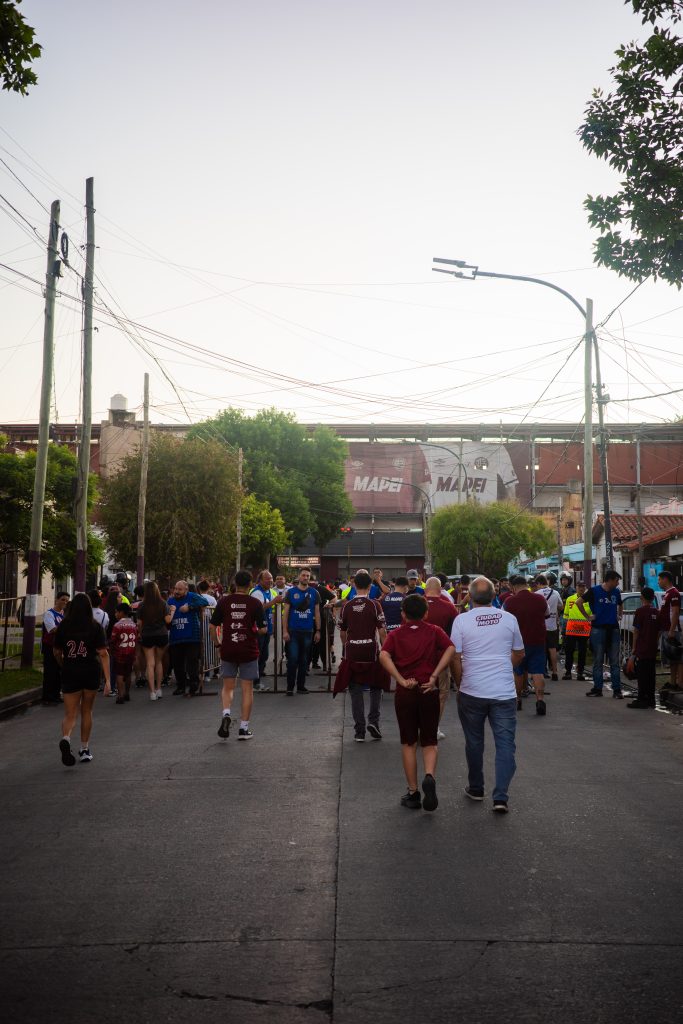
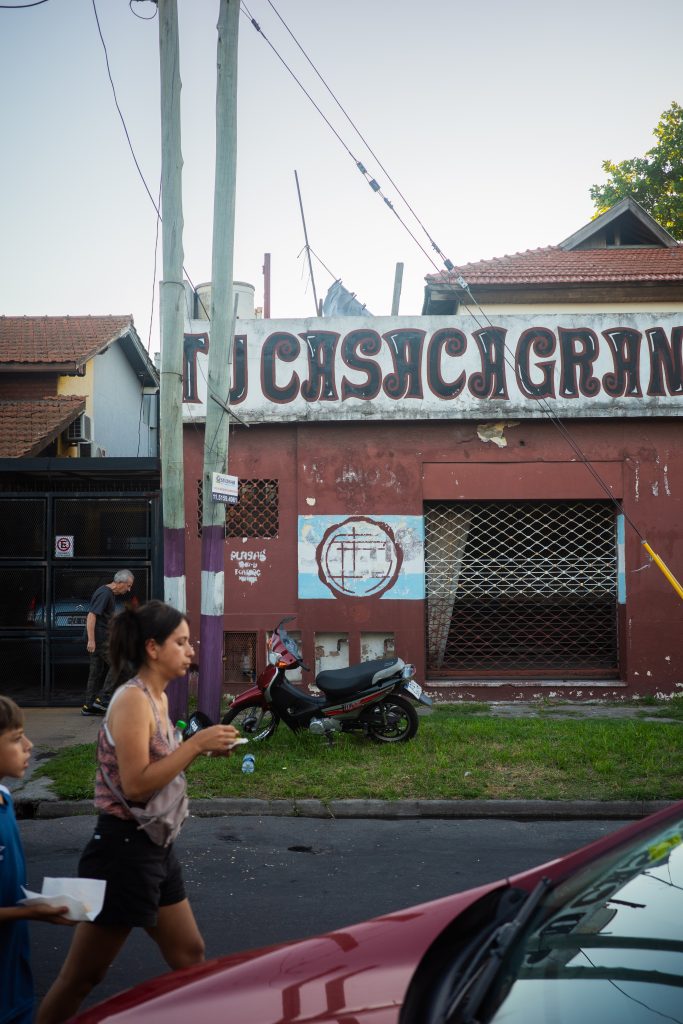
After a 45-minute ride, the grand European-style architecture of Buenos Aires gave way to more modest, residential surroundings. Dropped off a few blocks from the stadium, it was a simple walk into the neighbourhood.
Previa: Meat, Beer and Confusion
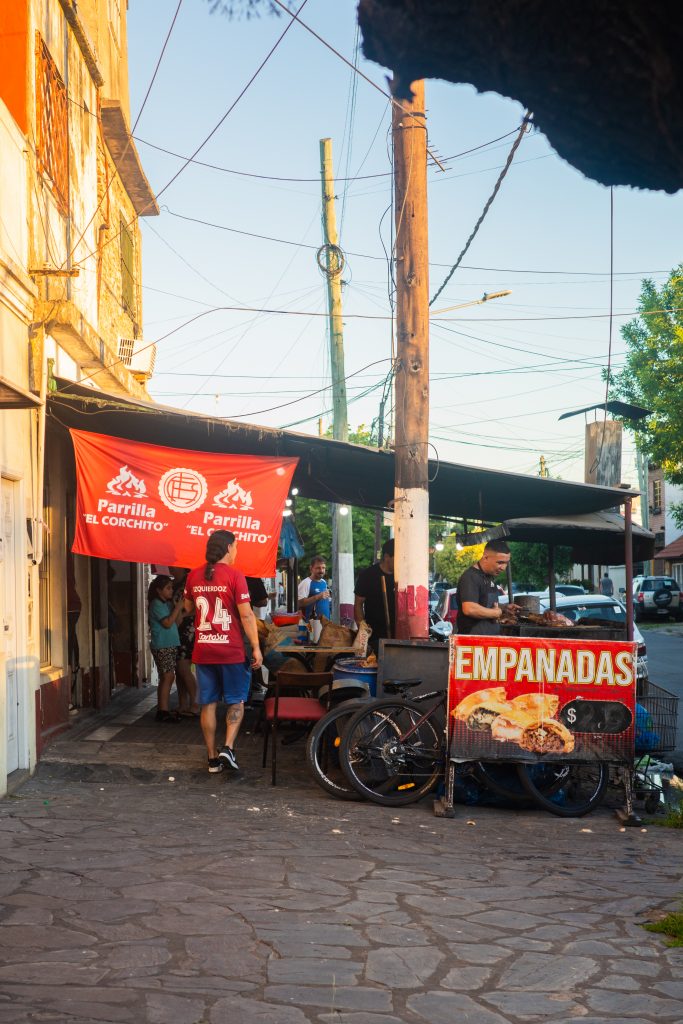
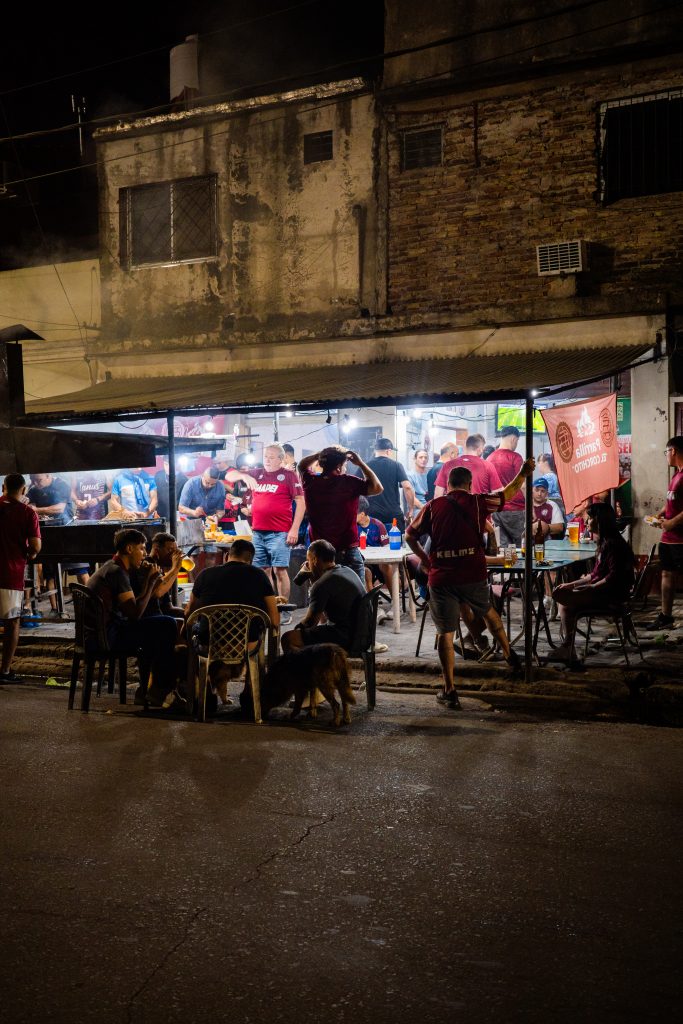
I’d arranged to meet some fellow English groundhoppers who had tucked themselves into a local establishment, grills blazing out front with various cuts of meat sizzling away. Everything you could want from an Argentine matchday was on offer: empanadas, choripán, bottles of beer served almost before you’d finished asking.
Somewhere between Spanish and English, we spoke with local fans — several pleasantly baffled as to how we’d ended up in this corner of town. Every one of them was welcoming, proud, and buzzing ahead of the final. We were even offered a seat on one of the many coaches making the pilgrimage across the continent to Paraguay. Sadly, the 26-hour round trip didn’t fit my schedule — but the gesture alone said everything.
Under the Cabecera Norte
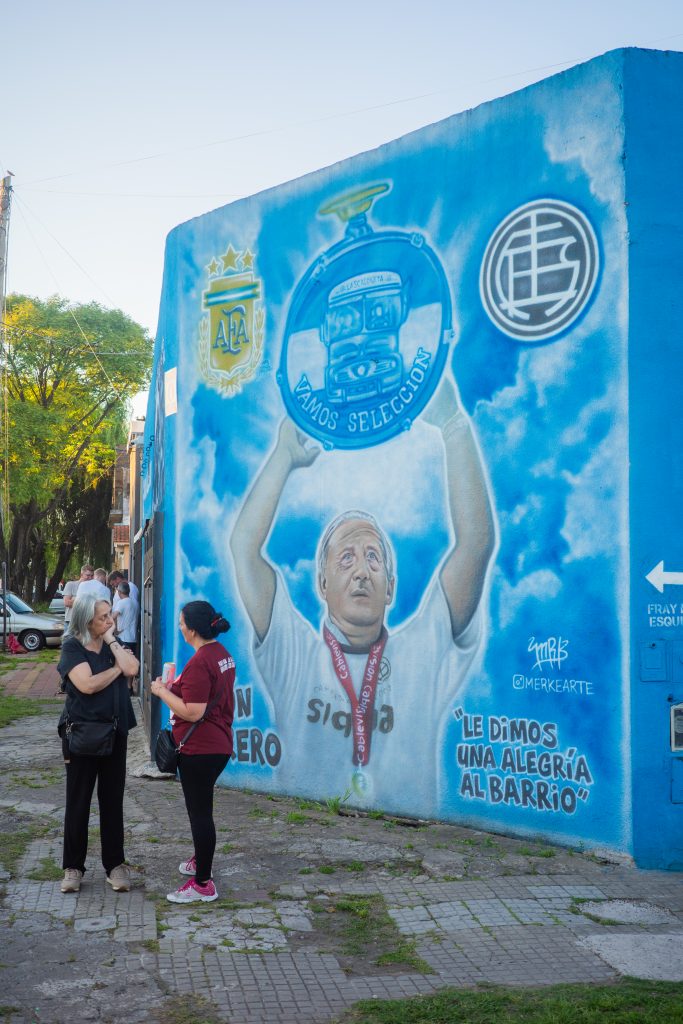
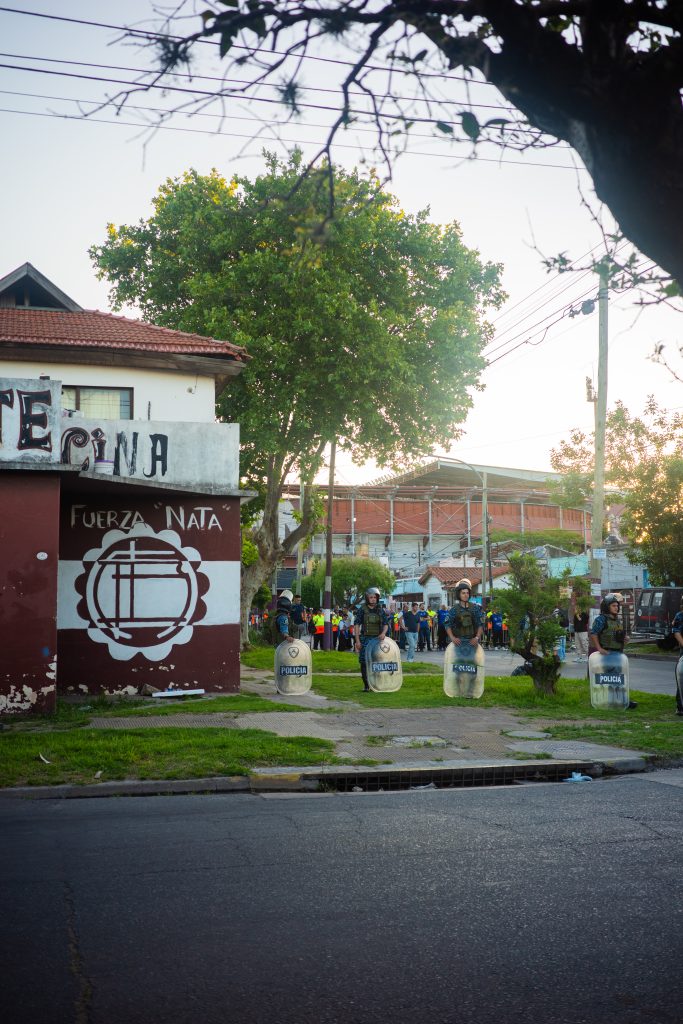
Cutting through ticket and ID checkpoints lined with riot police, we approached a stadium whose walls were covered in murals of past heroes and the ever-present Lanús crest.
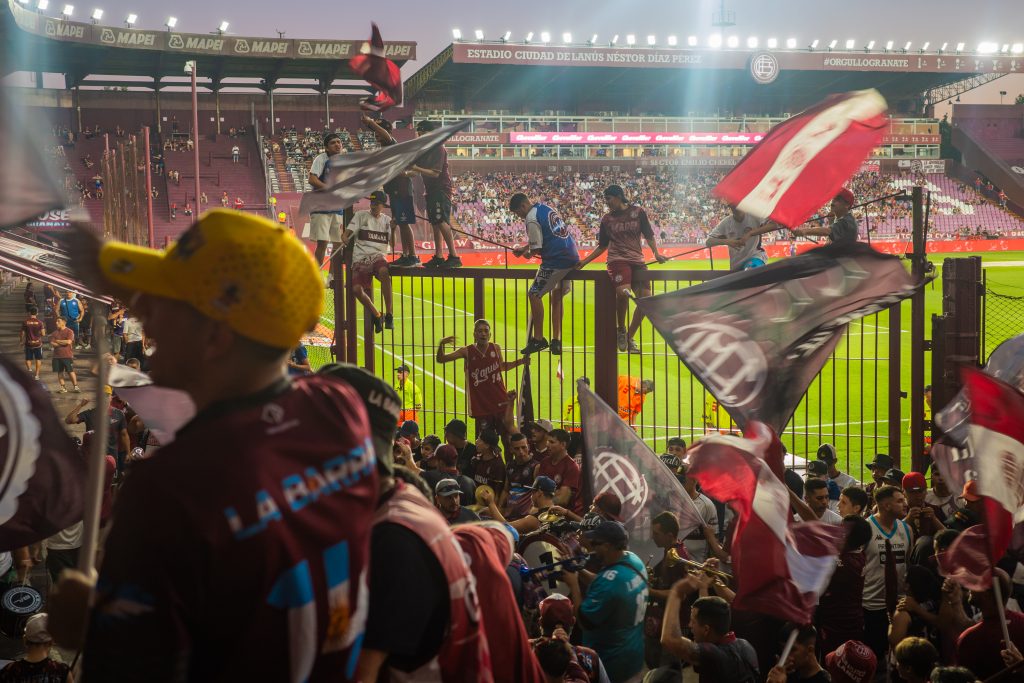
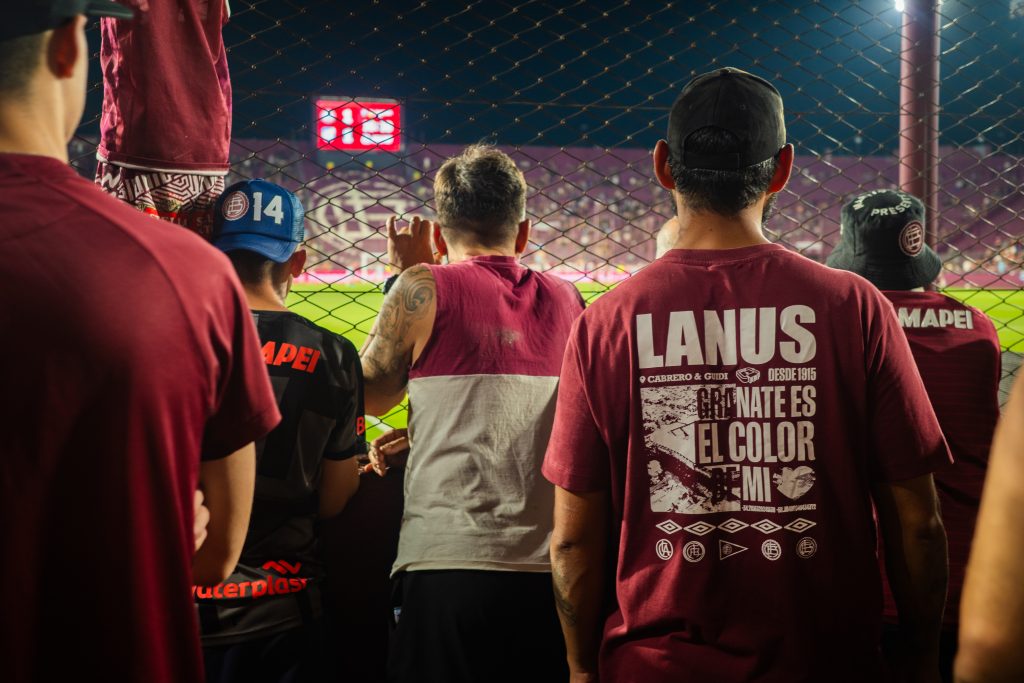
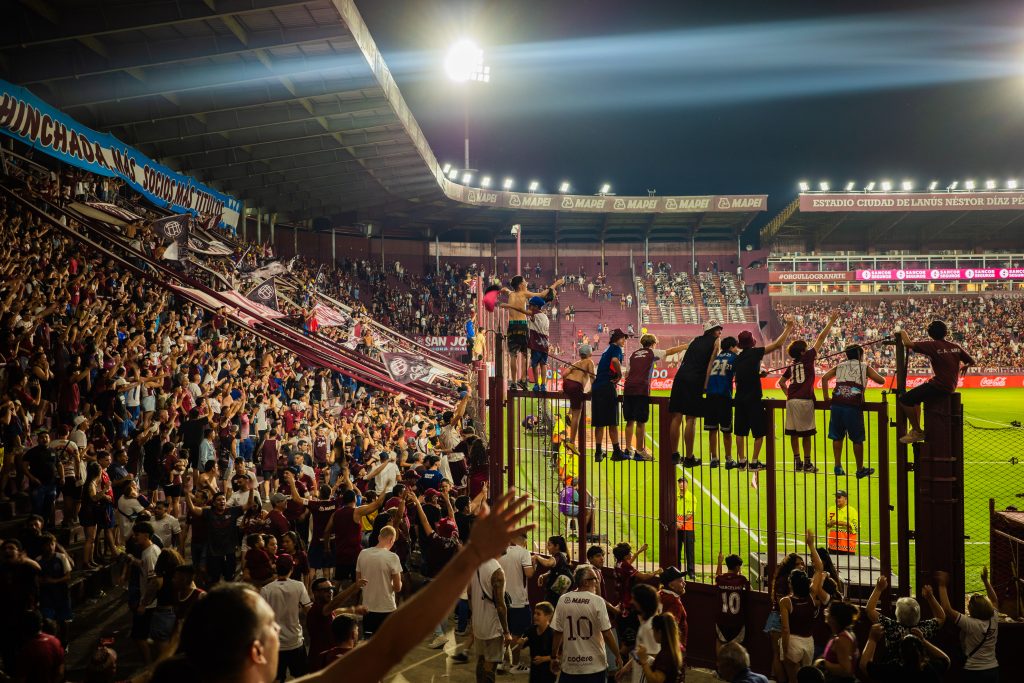
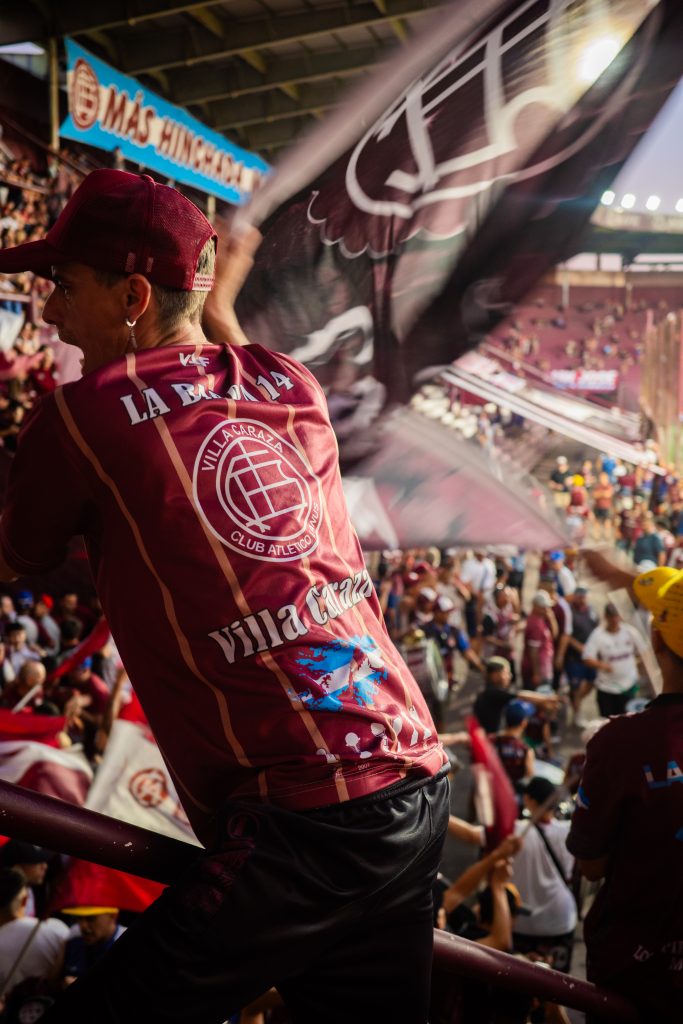
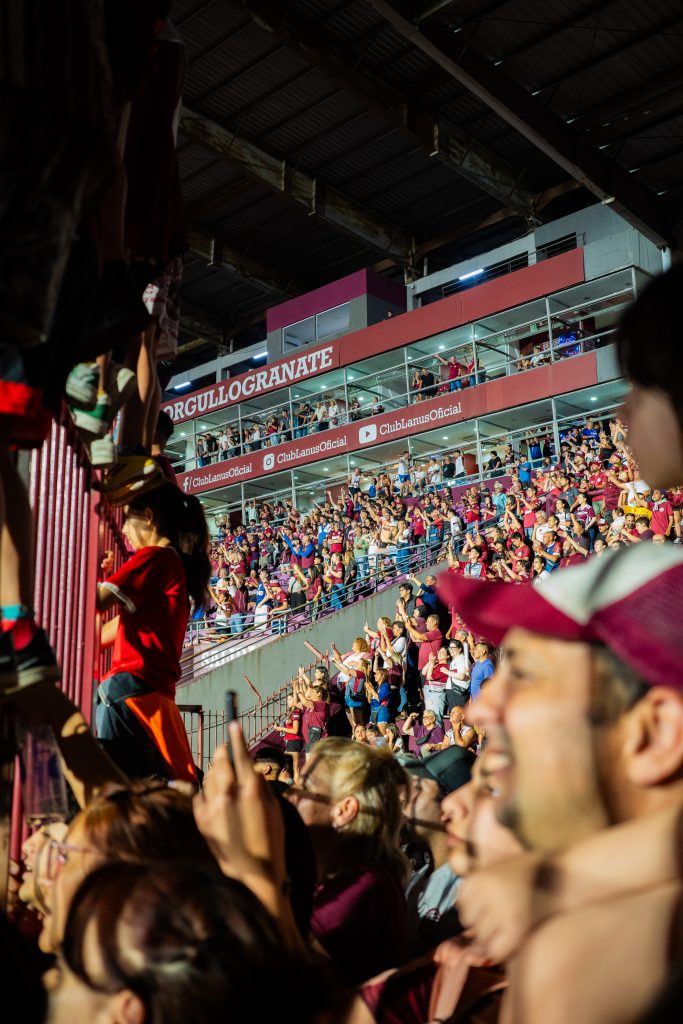
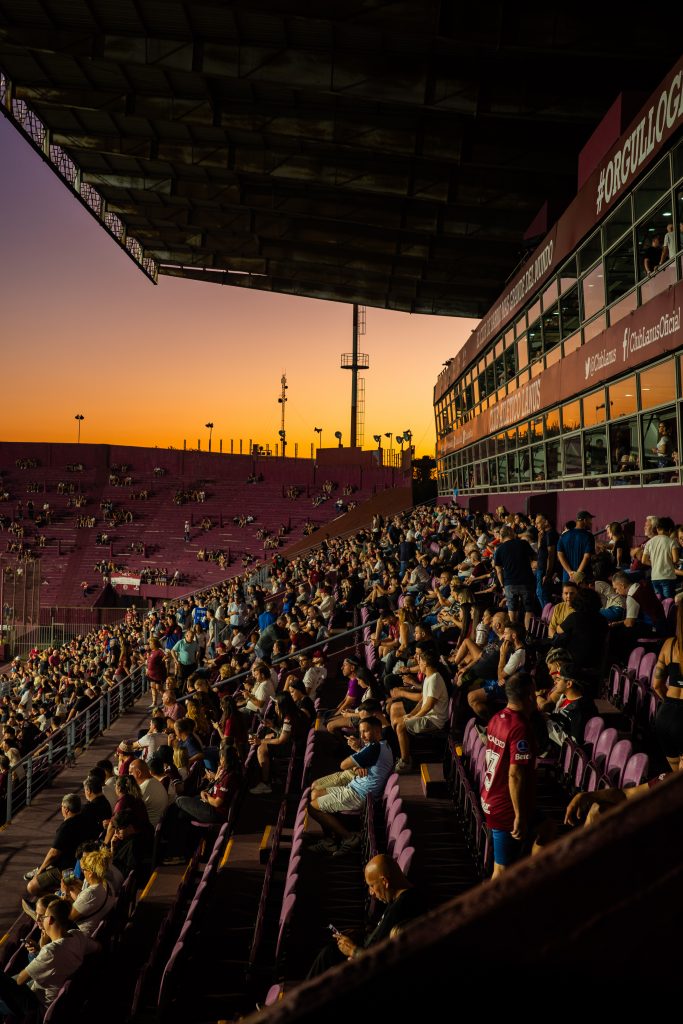
As we entered under the Cabecera Norte, the noise was staggering. Even outside, it had been ear-splitting. Inside, the barra brava were already in full flow — trumpets blaring, drums pounding, flags and arms moving in hypnotic rhythm.
With the stadium barely 60% full, the volume was astonishing — perhaps many were already travelling north for the final. Atlético Tucumán refused to simply make up the numbers, fighting back to level at 1–1 before half-time. When Lanús saw a second-half goal ruled out by VAR, a murmur of uncertainty crept through the stands.
Fortunately, clinical finishing restored calm. A 3–1 victory sent head coach Mauricio Pellegrino and his players down the tunnel to the popular stand’s applause — as prepared as they could be.
Sunday in Buenos Aires: A City Listening
A week exploring the capital passed before the final arrived.
While Lanús battled for continental glory, I found myself en route to another game in Buenos Aires. Walking through Chacarita, every kiosk with a spare television or radio was tuned into the final. On social media, many had suggested a Lanús victory would reflect well on Argentine football. You could feel that sentiment everywhere.
On the bus, commentary blared from the driver’s radio. Passengers clutched phones streaming the action. We ducked into a bar near our destination to catch the closing stages of extra time as the game drifted towards penalties.
With both opening penalties saved, tension intensified. Lanús goalkeeper Nahuel Losada thought he had sealed hero status by saving Mineiro’s fourth spot kick — only for Lautaro Acosta to blaze over and surrender the advantage.
Into sudden death. Seventh round.
Franco Watson converts.
Vitor Hugo steps up for Atlético Mineiro and scuffs a weak effort to Losada’s right. The keeper gathers easily.
He is the hero after all.
Lanús are continental champions once again.
The Homecoming
Four days later, Lanús hosted Tigre in the Clausura playoffs. I had to see the return.
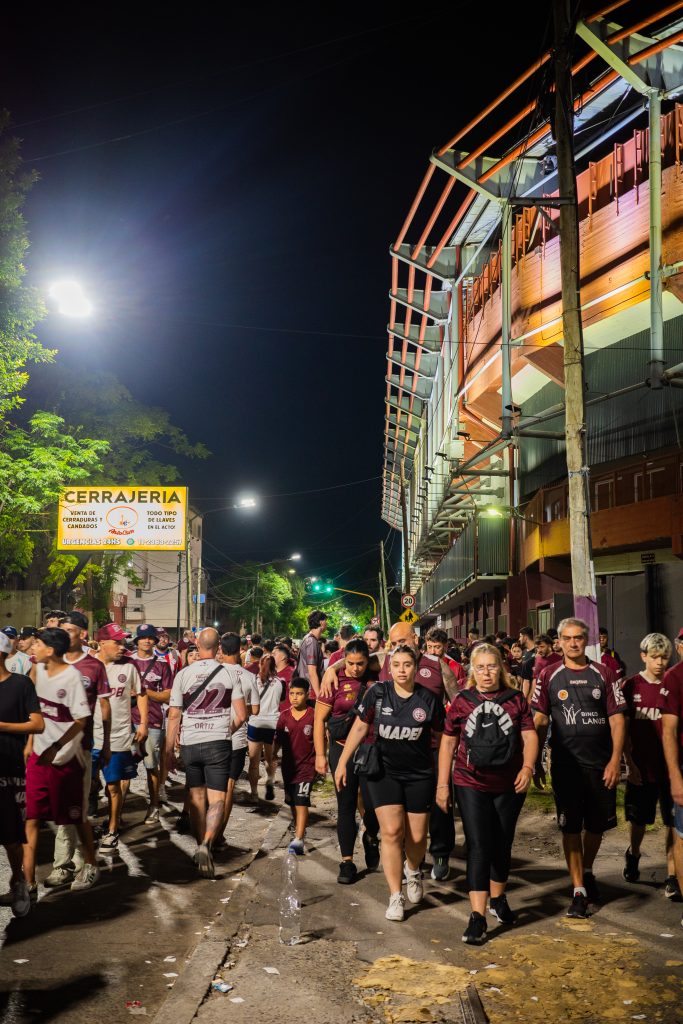
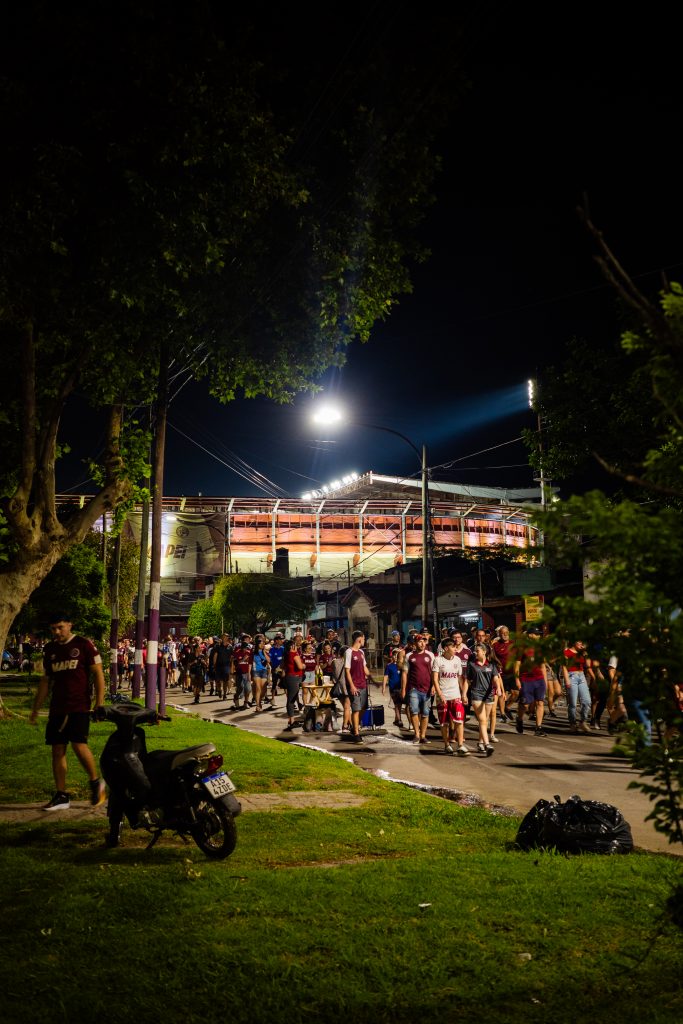
Eduardo kindly sorted another ticket — this time with a proper Argentine previa included. The same 74a bus carried me south, but this journey felt different. The streets buzzed. Fans in granate shirts filled bars and kiosks. Plaza Sarmiento overflowed with parillas, coolers of Fernet and beer, and fireworks crackling overhead.
Among Eduardo’s friends — some freshly returned from Asunción — pride radiated. We shared Fernet and cola, discussing Argentine and European football, Maradona’s legacy, and Lanús history. The hospitality felt effortless, natural. Football as a universal language.
Smoke, Fire and Farewell
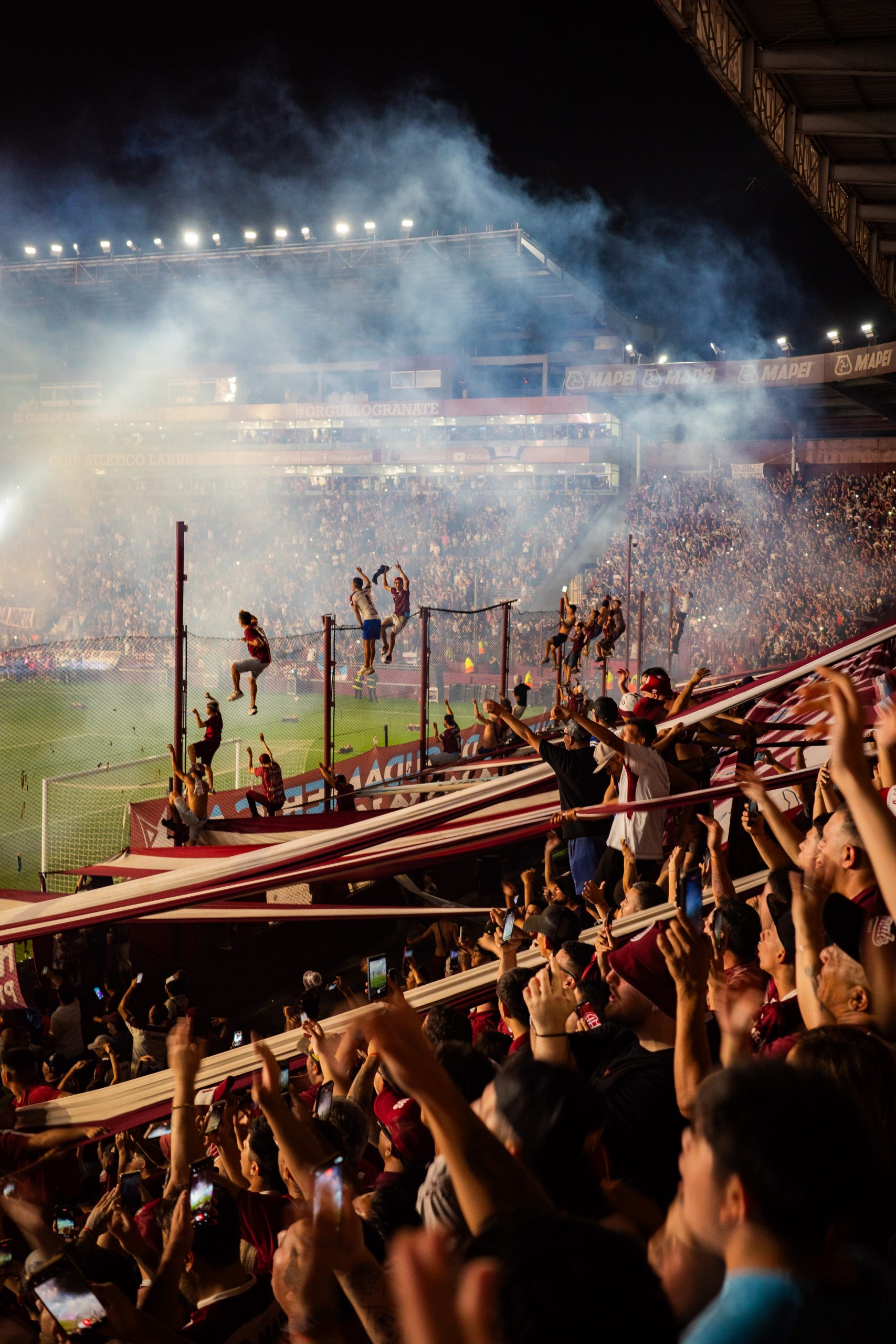
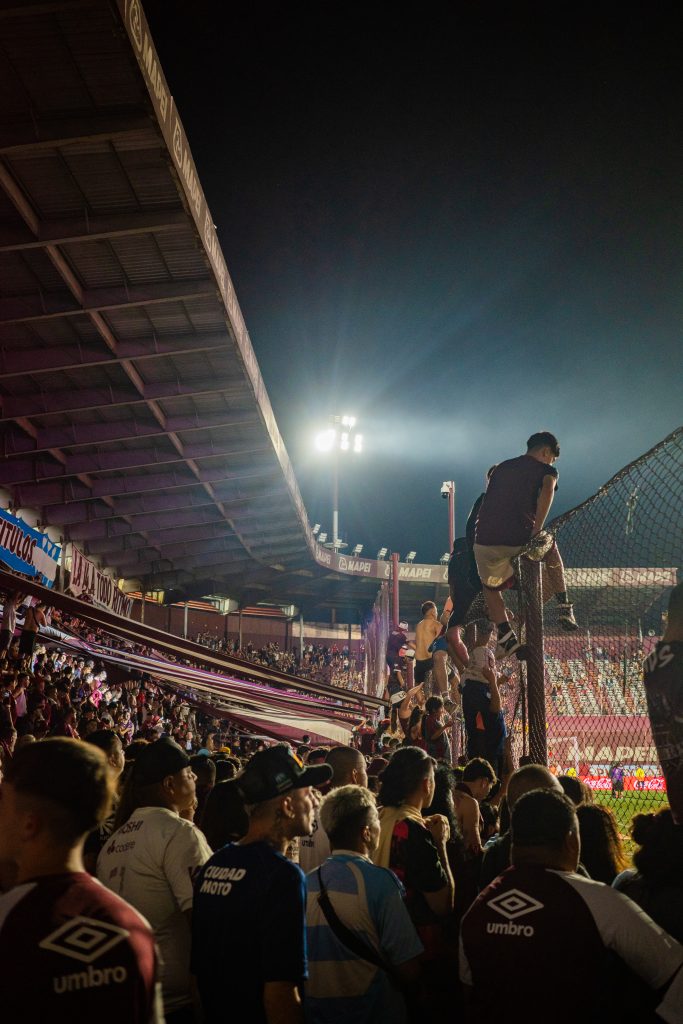
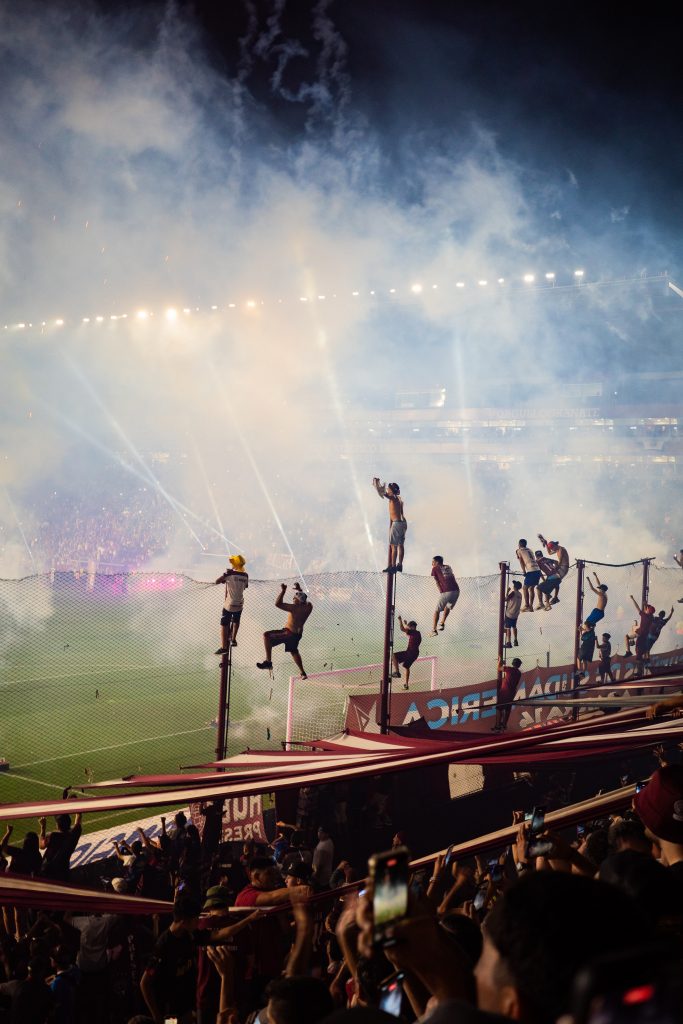
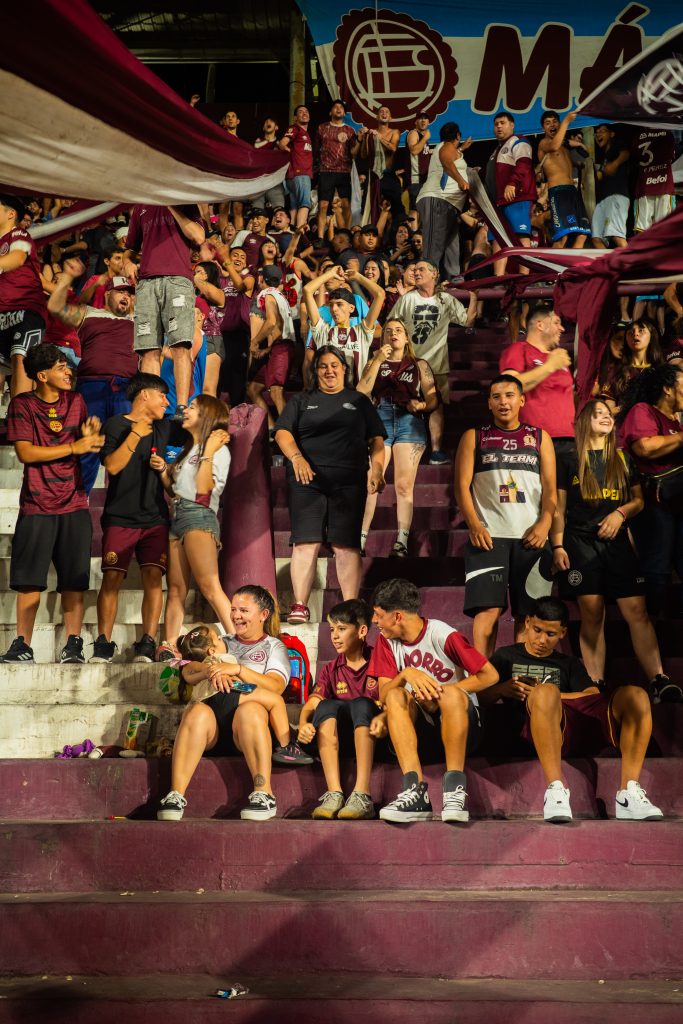
Entering the stadium again, every face was smiling. The popular was packed, bodies pressed shoulder to shoulder.
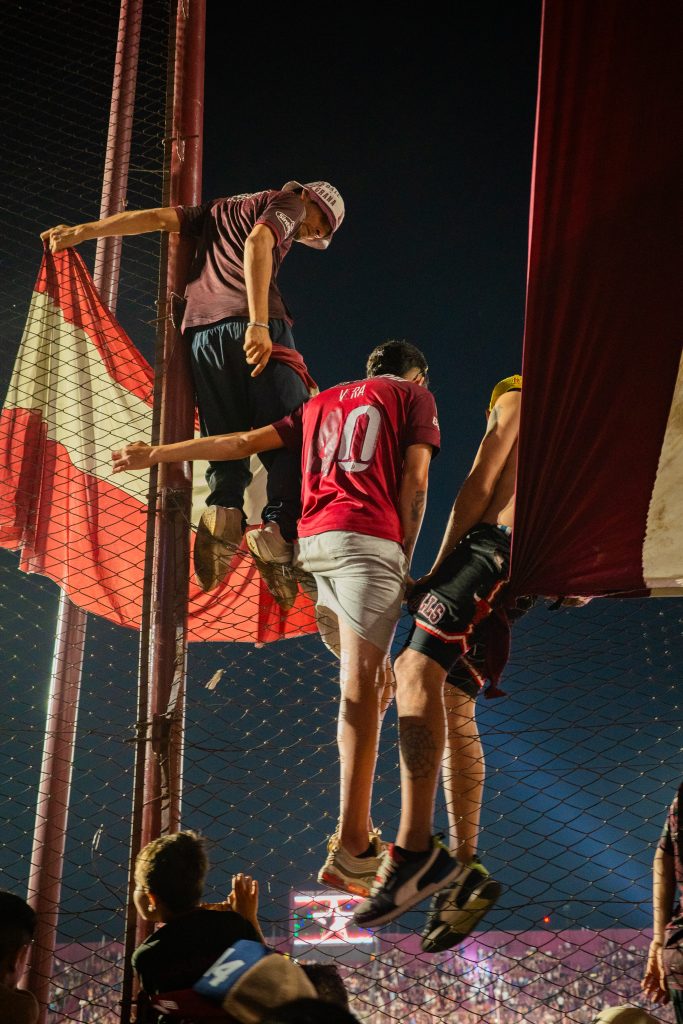
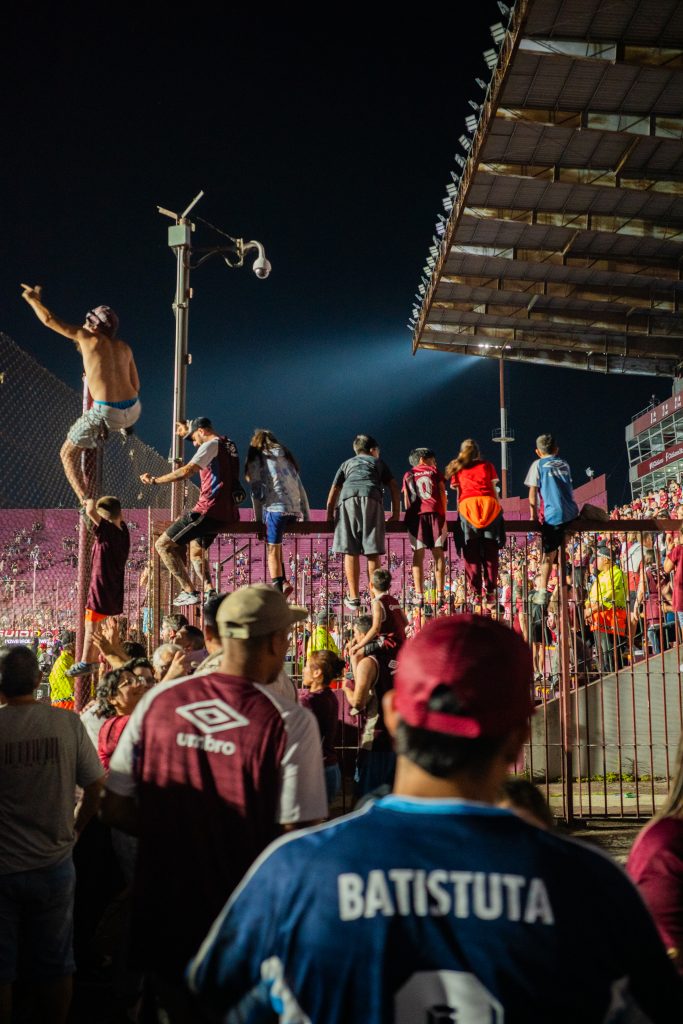
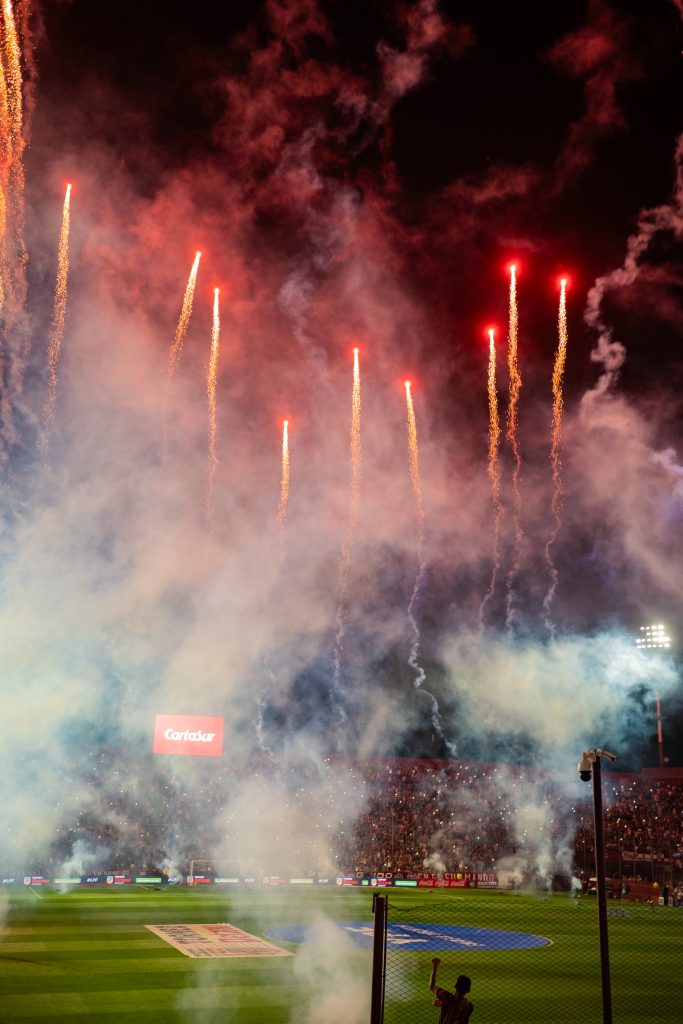
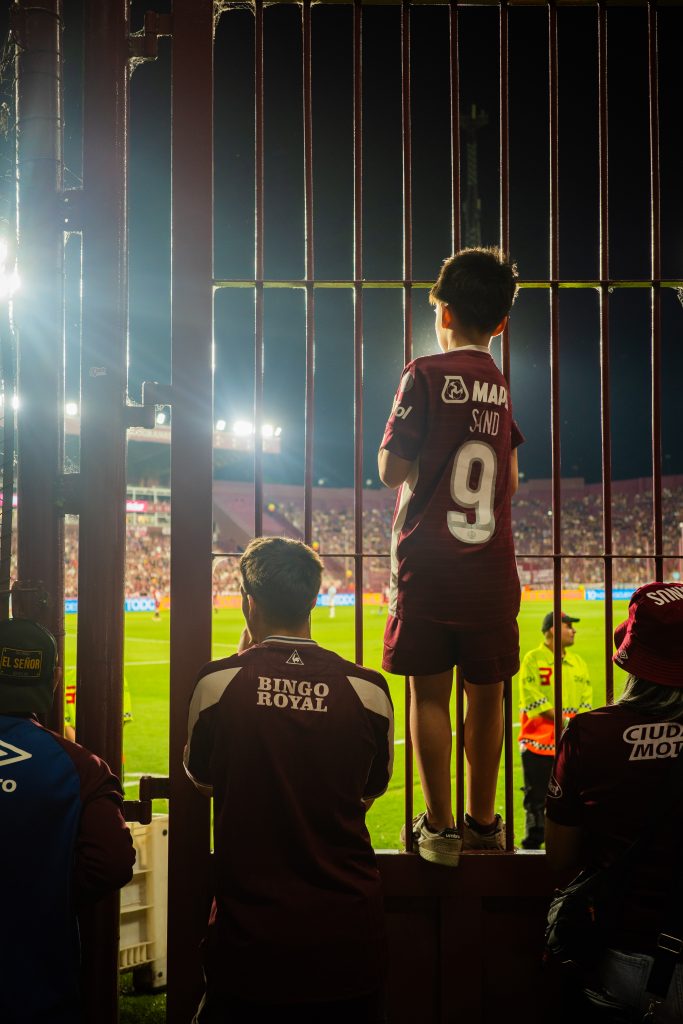
Fireworks erupted. The barra sang songs of gratitude. Smoke drifted across the pitch as players emerged. Fans scaled fences and poles. One supporter stood high above, shirt twirling overhead.
After layers of celebration, a football match did begin. Tigre, realistic about their task, sat deep. Lanús dominated early but fell behind to a scrappy corner. VAR again denied the hosts an equaliser. Fatigue from 120 minutes in the final was evident.
Tigre progressed. But no one truly cared.
The Copa Sudamericana trophy was paraded around the pitch. Fans climbed for a glimpse. Speeches followed — most notably an emotional farewell to Lautaro Acosta, who bowed out after 429 appearances, the most in club history. Fittingly, his teammates ensured his legacy would not be defined by that missed penalty.
After nearly four hours of chanting and celebration, we left — gratefully accepting a lift back to Buenos Aires, detouring past the hospital where Maradona was born.
A Barrio Club on Tour Again
Seeing the joy on Eduardo and his friends’ faces was a privilege. To witness a historic moment for a barrio club at such close quarters felt special.
With victory comes qualification for the Copa Libertadores and a Recopa Sudamericana showdown with Flamengo. More journeys lie ahead. More away days.
Lanús are going on tour again.
And if you’re lucky enough to be there, you’ll understand why that matters.
Words and Images: Joey Corlett