Words and images: Markus Blumenfeld
For Markus Blumenfeld, football is more than a spectacle; it is a shared language spoken across continents. As the creator of The Global Game, a docu-series dedicated to capturing the stories, fans, and fleeting moments that make football special, Blumenfeld uses the sport as a lens through which to understand the world. His work explores the idea that football is an unspoken dialect, one capable of connecting people across borders, backgrounds, and belief systems. A uniting force in a divided world.
In Brazil, that language takes on its purest form.
From the concrete pitches of Rocinha to the thunder of the Maracanã, from São Paulo’s Várzea grounds to the red earth of Vila dos Sonhos in Minas Gerais, Blumenfeld traces football not as entertainment, but as inheritance — Patrimônio Brasileiro. Here, the game is survival and celebration, escape and expression. It is passed from father to son in the favelas, sung into the night by thousands in the stadiums, and defended fiercely by those who believe in the enduring spirit of Joga Bonito.
Through personal encounters — with young dreamers, devoted ultras, and barefoot street players — Blumenfeld reveals a country where football does not simply reflect culture; it shapes it. In Brazil, the beautiful game is not just played. It is lived.
Every generation has a Brazilian legend who made them fall in love with football. Before my time, it was Pelé. For me, it was Ronaldinho. Next came Neymar. The way they play — with flair, improvisation, and joy — turns football into a love story. Football is the “Brazilian heritage” (Patrimônio Brasileiro).
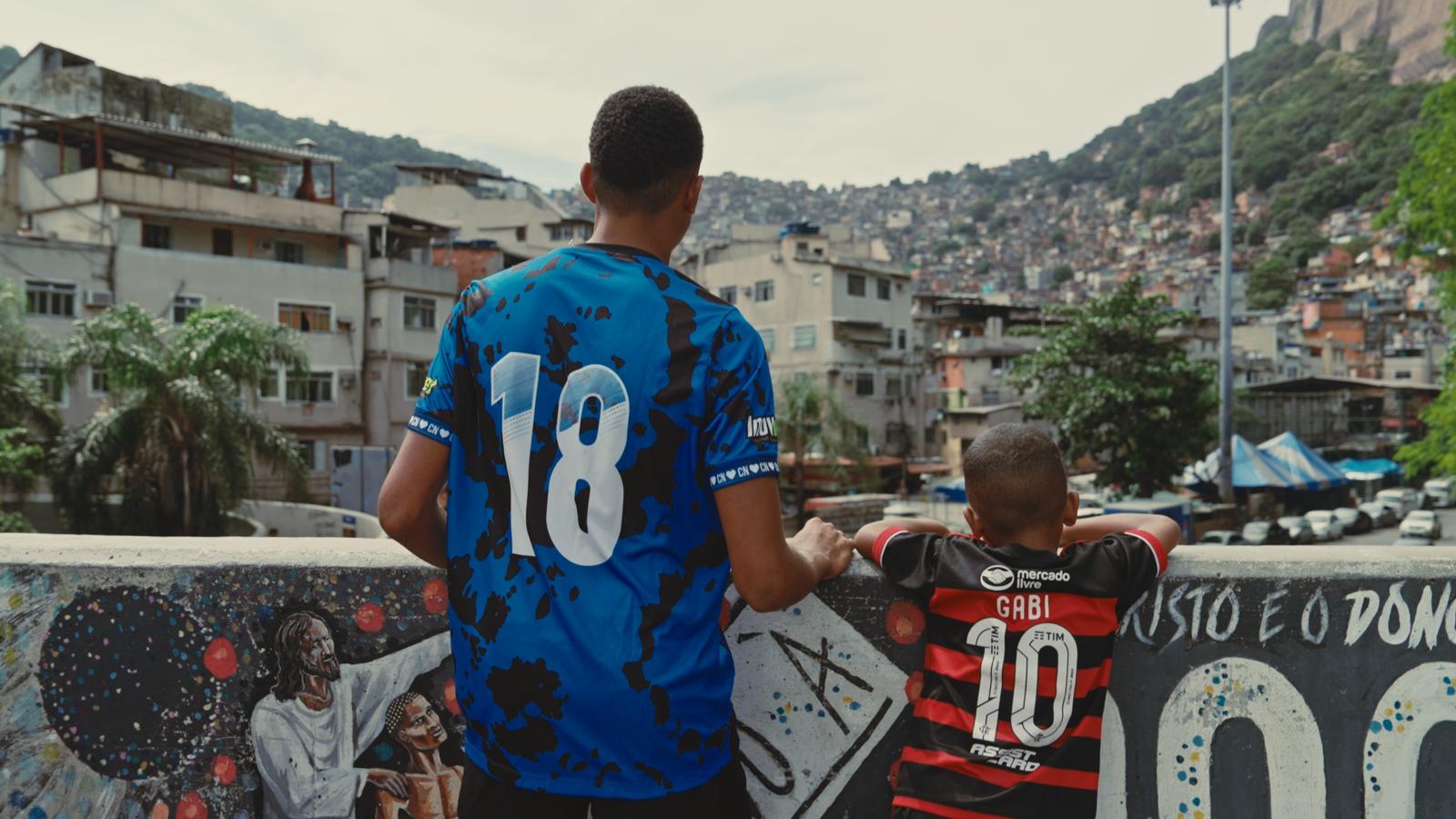
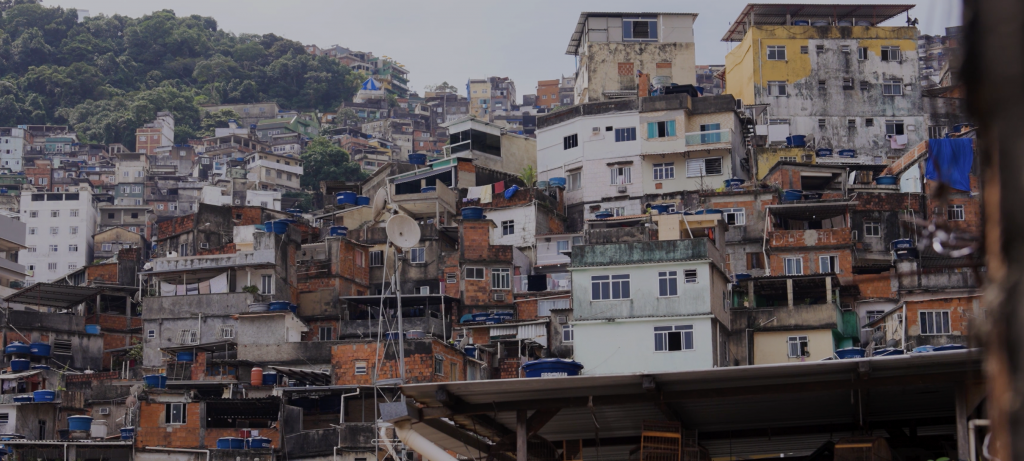
Brazil had always been a dream of mine — a football pilgrimage to the birthplace of Joga Bonito. I started my journey in Rio to experience the different layers of that history. In Rio, life and football bleed into each other. You feel it in Rocinha, the largest favela in Latin America. I went there to understand what the game means to people in these communities, and it was through personal stories that it began to make sense.
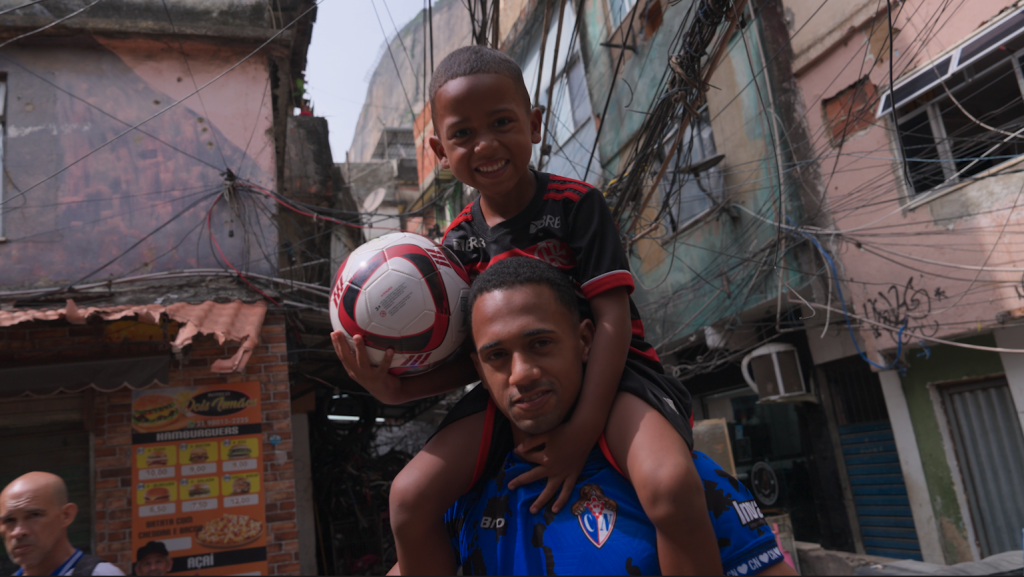
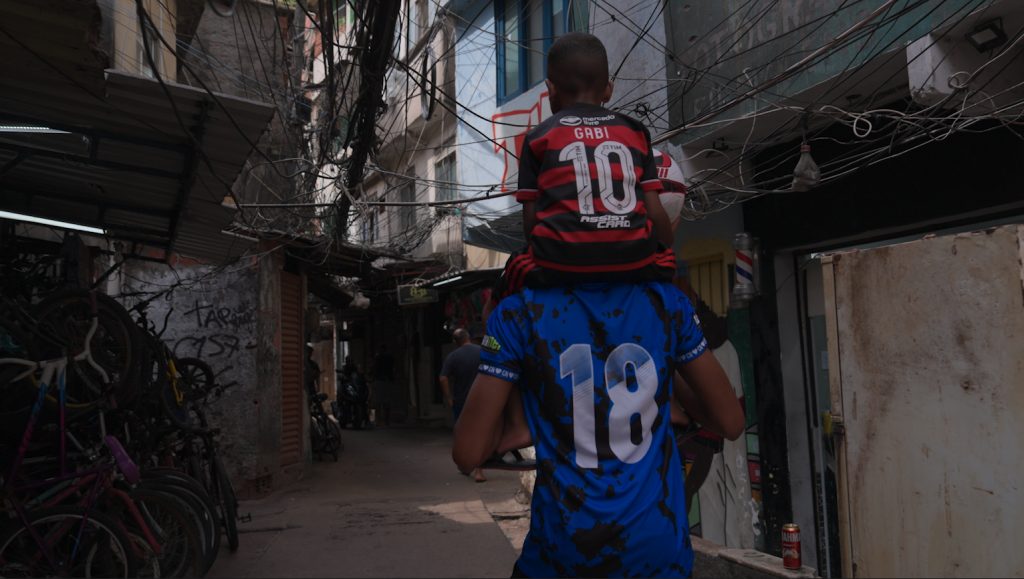
Through the eyes of Vitinho, a young father, football becomes the ultimate connector — a passion he is already passing on to his son. For him, the game represents freedom, community, expression, and opportunity.
He told me:
“The difference with football here in the favelas is that children need to have a dream to survive. And of course, the dream of every kid in the favela is to one day be a great player, to have the opportunity to improve life for your family. This is the Brazilian heritage, the culture of dreaming, to live with hope.”
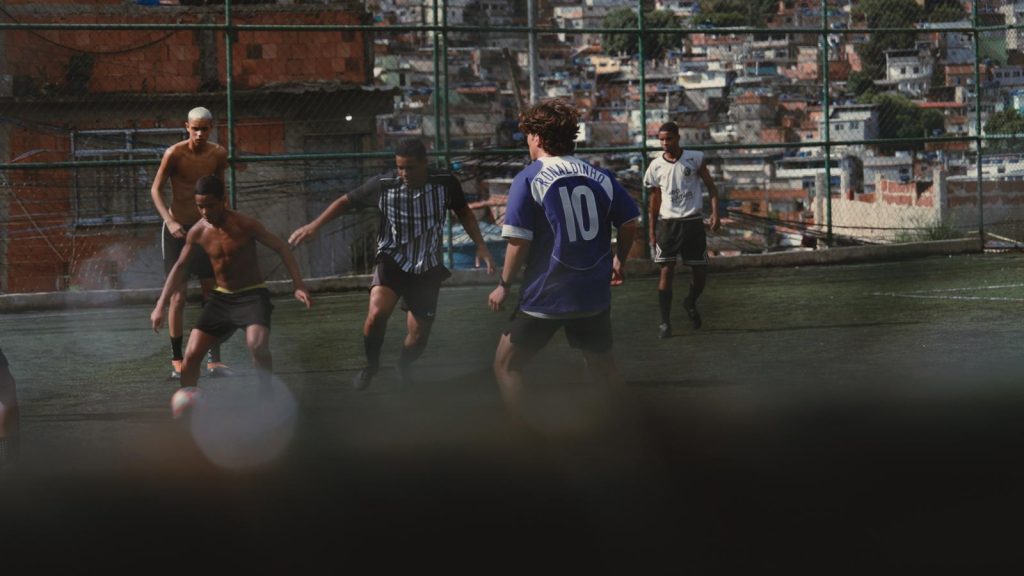
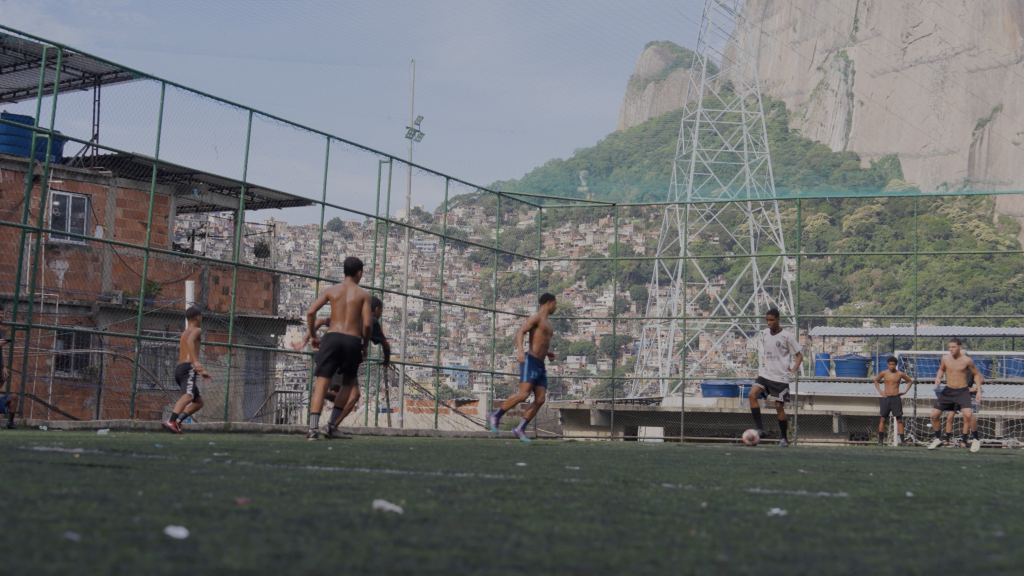
Following Vitinho and his son gave a voice to Rocinha. We climbed narrow alleys and steep staircases to a concrete pitch hanging over the city. There, I played barefoot, witnessing a level of joy and intensity I had never seen before. Football here is both escape and pathway — a way out of poverty and violence in a place where there are so few other routes.
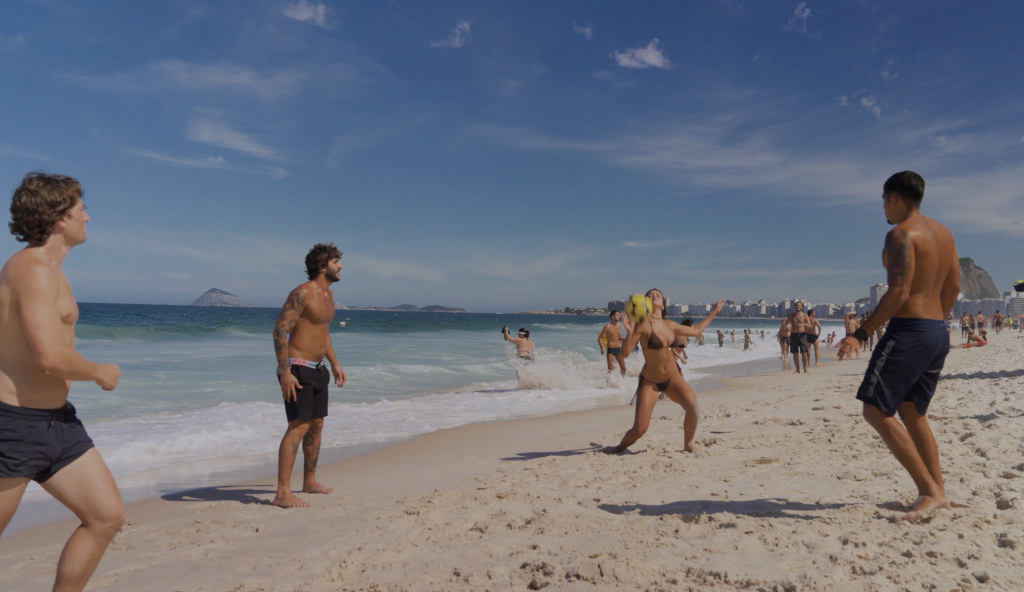
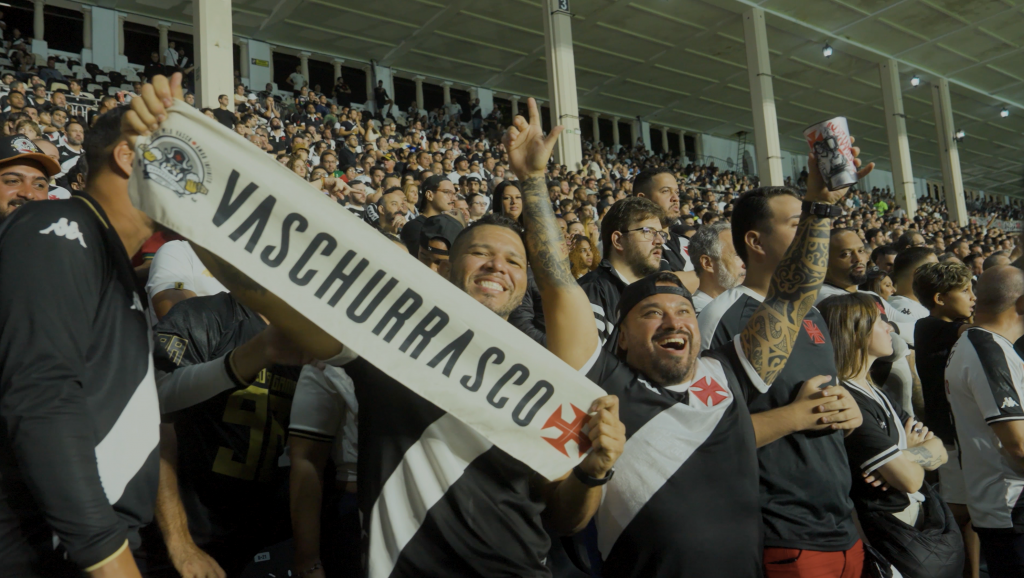
But the game does not live only in the favelas. It is the heartbeat of the carioca lifestyle, and in the stadiums, it feels unlike anywhere else. Outside, a sea of people — drinking, grilling meat, singing for hours before kick-off. On this trip, I saw SPFC, Santos, Corinthians, Fluminense, Botafogo, Vasco, and Flamengo. The Maracanã shook as Flamengo won, the whole of Rio spilling into the night. I experienced Corinthians’ infamous Gaviões da Fiel, one of the most intense and intimidating ultra groups in world football.
Still, it was Vasco da Gama and the iconic São Januário that stole my heart — intimate, historic, and beautiful. The stadium is carved into the working-class bairro de Vasco, in the heart of a favela. The club and its home ground are built on resilience and diversity in a way that feels deeply Brazilian. At half-time, you slip through a tunnel into a tiny Portuguese restaurant hidden inside the stadium walls.
In São Paulo, you feel a different rhythm: pelada on concrete courts, Corinthians shirts everywhere, and then Várzea on the edge of the city — muddy pitches, smoke from barbecues, local heroes who will never be on television but play as if their lives depend on it. I played pickup with some of the most talented street footballers I have ever met. There, Vinni tried to explain what Joga Bonito means to him and his friends.
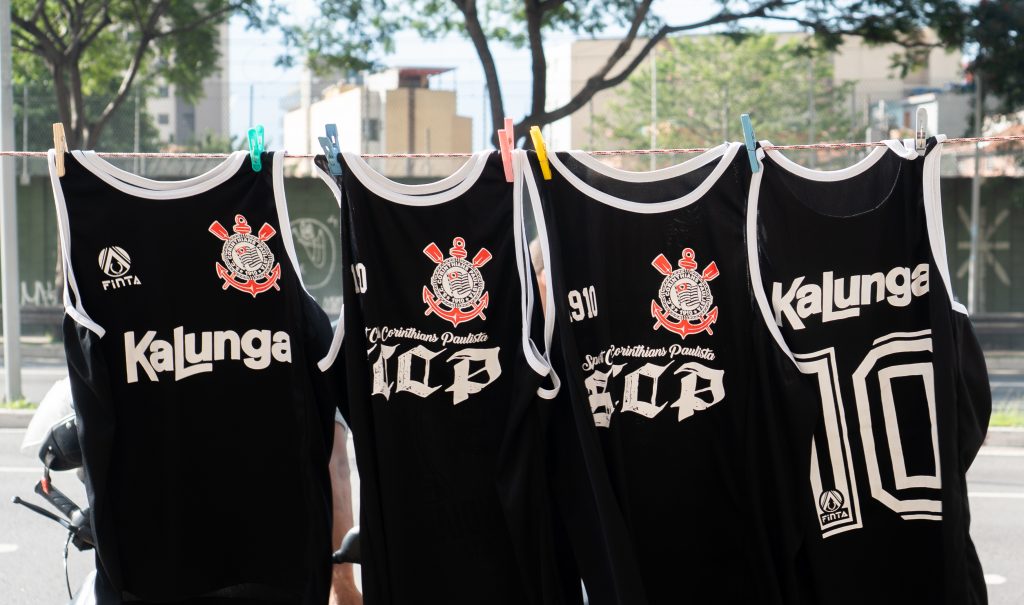
“Don’t kill Joga Bonito,” he said. “Joga Bonito and street football in Brazil — it’s almost like our soul, you know? It’s our way of playing. We’ve been doing this since we were kids, when we didn’t have shoes. I think now Brazil is trying to follow the European way of playing, but we must remember we won five World Cups playing Joga Bonito — playing with joy, just expressing ourselves. I think we can win and play beautifully. And for those of us who came from poor backgrounds, it’s tough, because this is the only way we know how to express ourselves.”
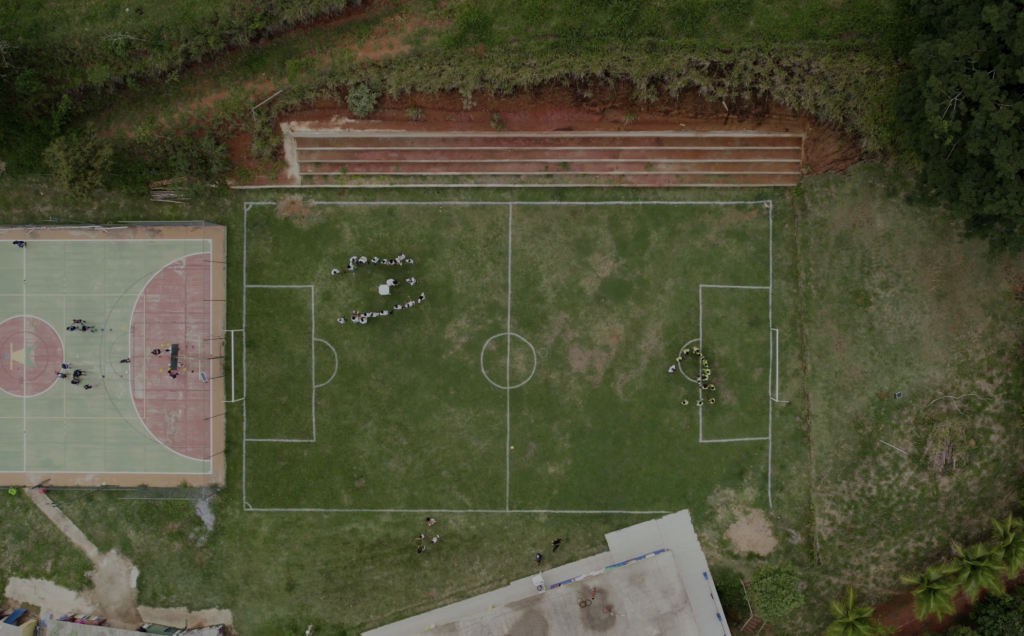
Outside the cities, I travelled with Marcos Vinícius and Terra FC. We drove into the hills of Minas Gerais to Vila dos Sonhos — the Village of Dreams. It is a small football sanctuary where kids from the favelas come to play, learn, and breathe a different kind of air for a few days. No glamour, no stadium lights — just red earth, green pitches, and the sense that the game can still build something instead of simply selling it.
If Rio’s favelas and São Paulo’s Várzea show football as survival and expression, Vila dos Sonhos reminds you that it can still be a tool for possibility. Together, they form a full picture of what Brazilian heritage truly looks like: a ball, a dream, and a country that still believes in the soul of the beautiful game.
Words and images: Markus Blumenfeld
Markus Blumenfeld is the creator of The Global Game, a docu-series that captures the stories, fans, and moments that make football special. Using the beautiful game as a lens to view the world, the series explores football as an unspoken language—one that connects people from different places, backgrounds, and cultures. A uniting force in a divided world.
You can also find The Global Game on YouTube