All words and images: Gaetano Bastone
For Naples-born photographer Gaetano Bastone, football has never simply been a game. It is a language, a ritual, and a way of understanding people. Raised on street football and later combining that early passion with photography through his project INT ’O STREET, Bastone has long been drawn to the raw, unfiltered spaces where the sport truly lives.
In this piece, he turns his lens toward Brazil’s Várzea football scene, a vast and deeply rooted grassroots movement played far from the glamour of elite stadiums. What he discovers is not just competition, but community: Sunday gatherings where entire neighbourhoods come together, where children improvise with makeshift balls, elders grill meat on the sidelines, and organised supporters create an atmosphere as electric as any professional arena.
Through his experience at Campo do X do Morro and his immersion in Brazilian football culture, Bastone reflects on warmth, belonging, and a version of the game untouched by commercial pressures. His story is not just about Várzea football; it is about the enduring soul of football itself, and why, in Brazil, the sport feels less like entertainment and more like life.
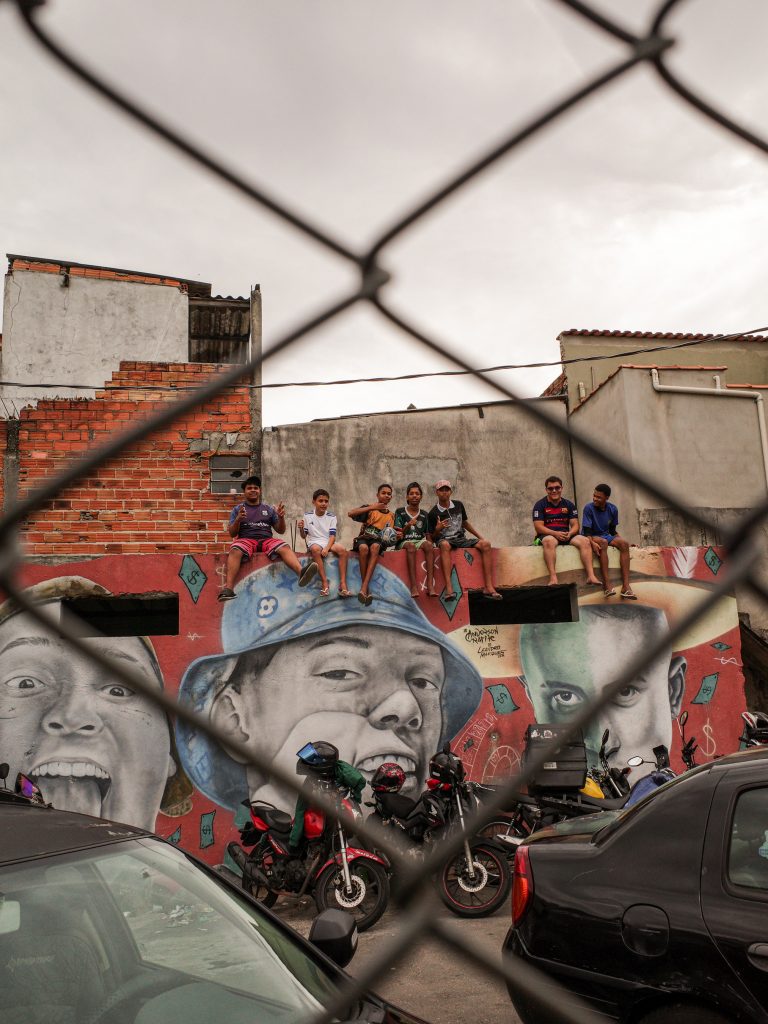
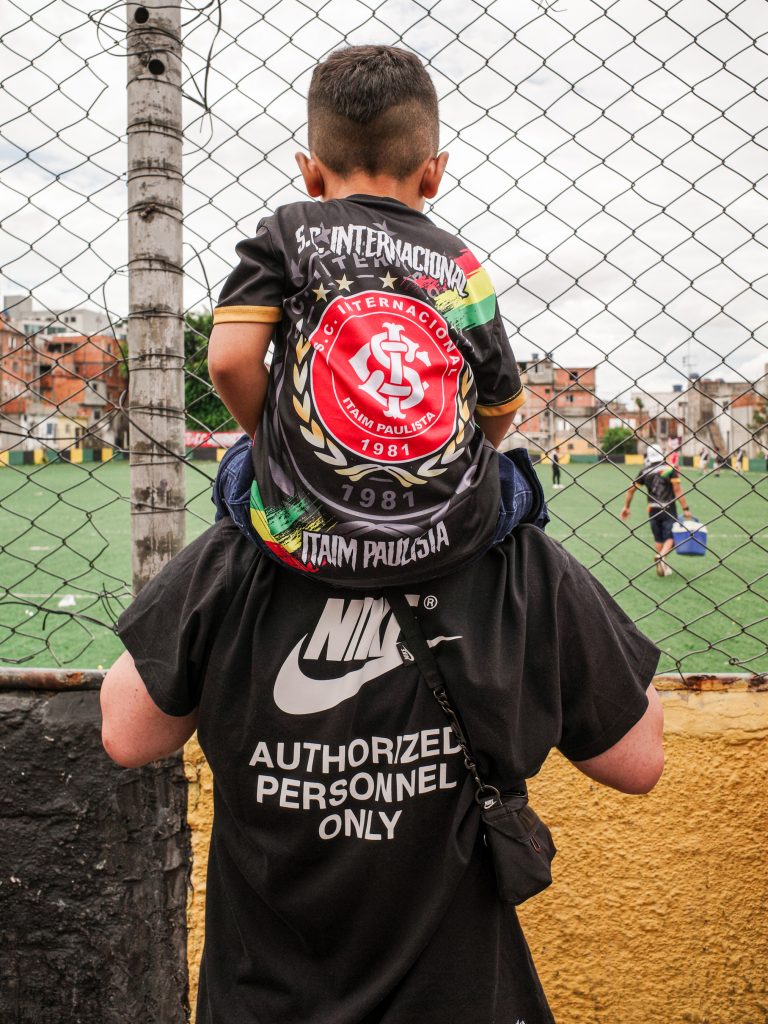
I’ve loved street football since I was a child. At 18, I started managing futsal tournaments in my city. I then decided to combine this passion with photography, and the project INT ‘O STREET was born. In the first chapter, I documented the Scugnizzo Cup, the most famous street tournament in my city.
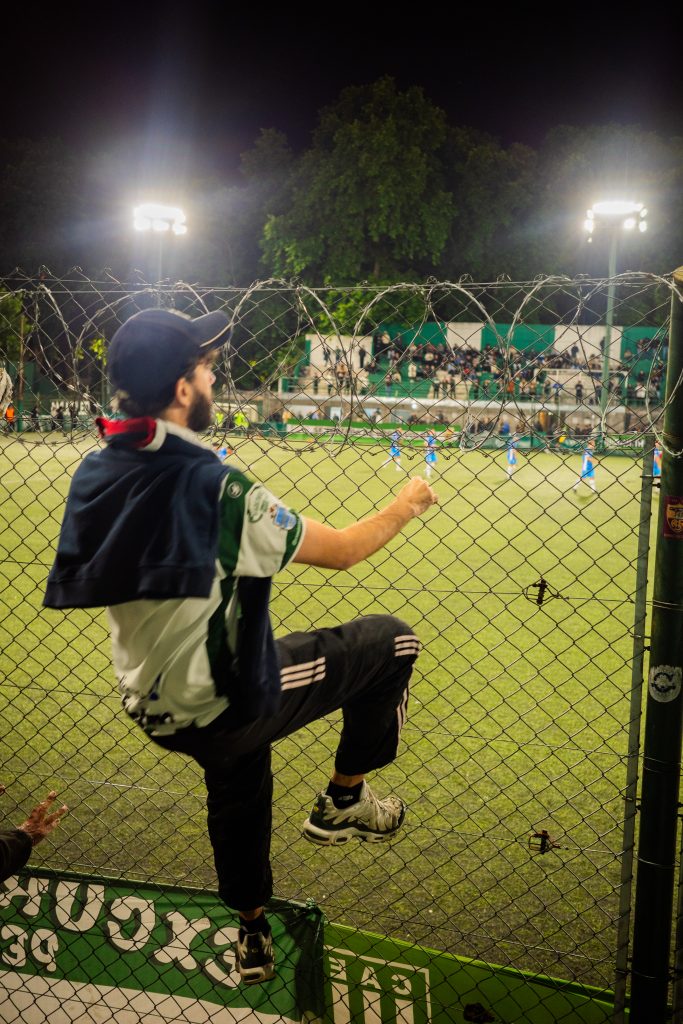
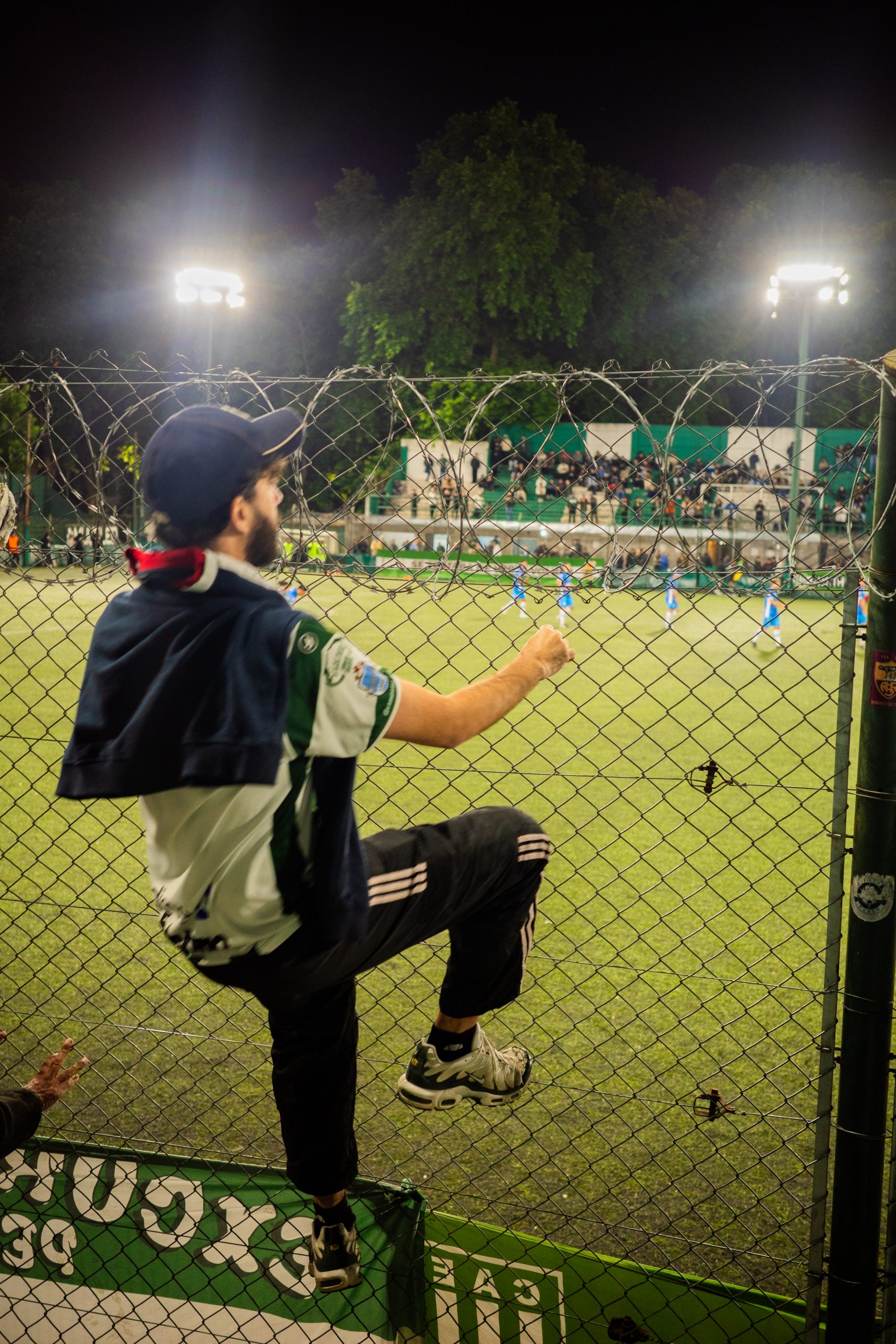
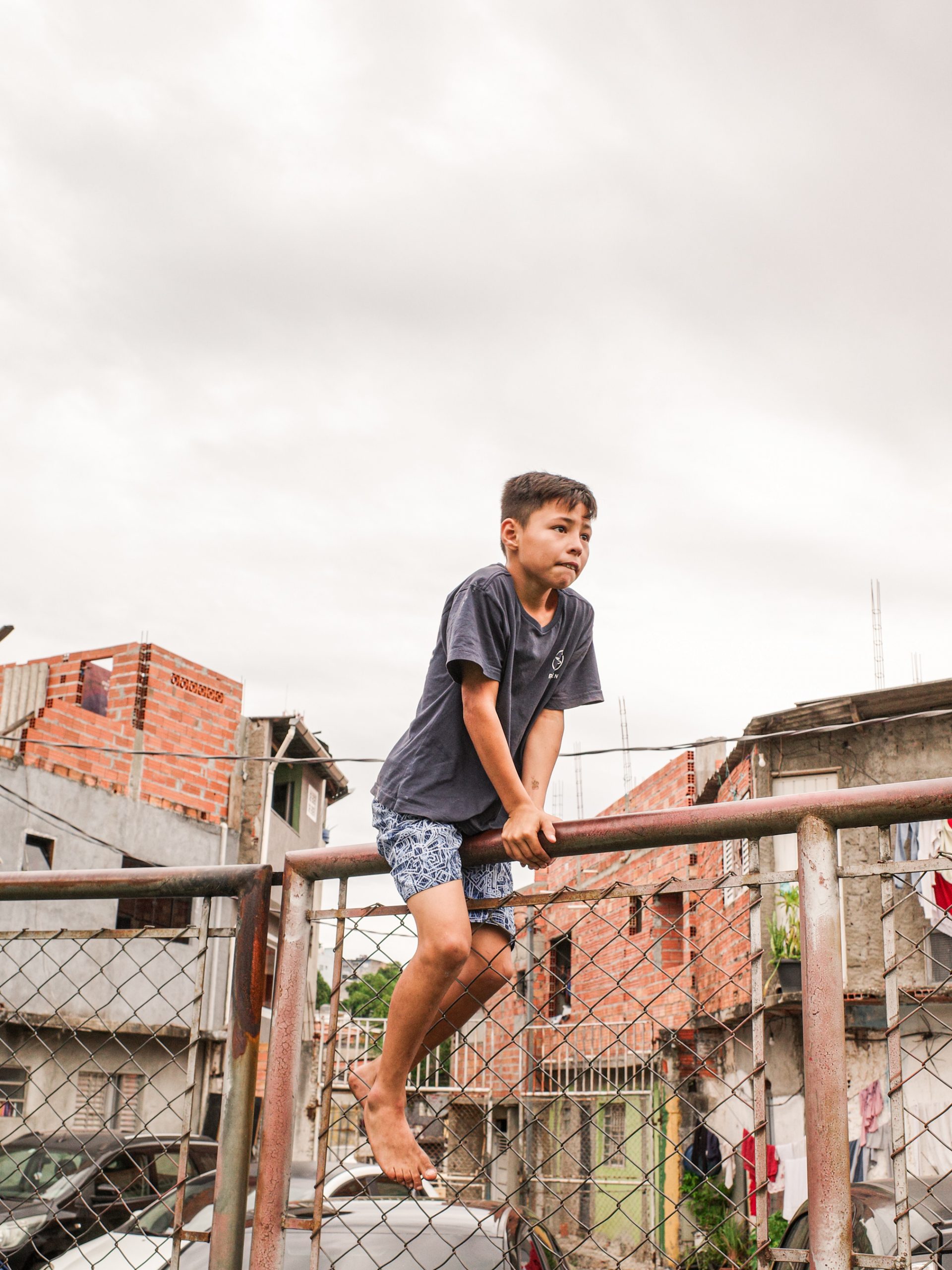
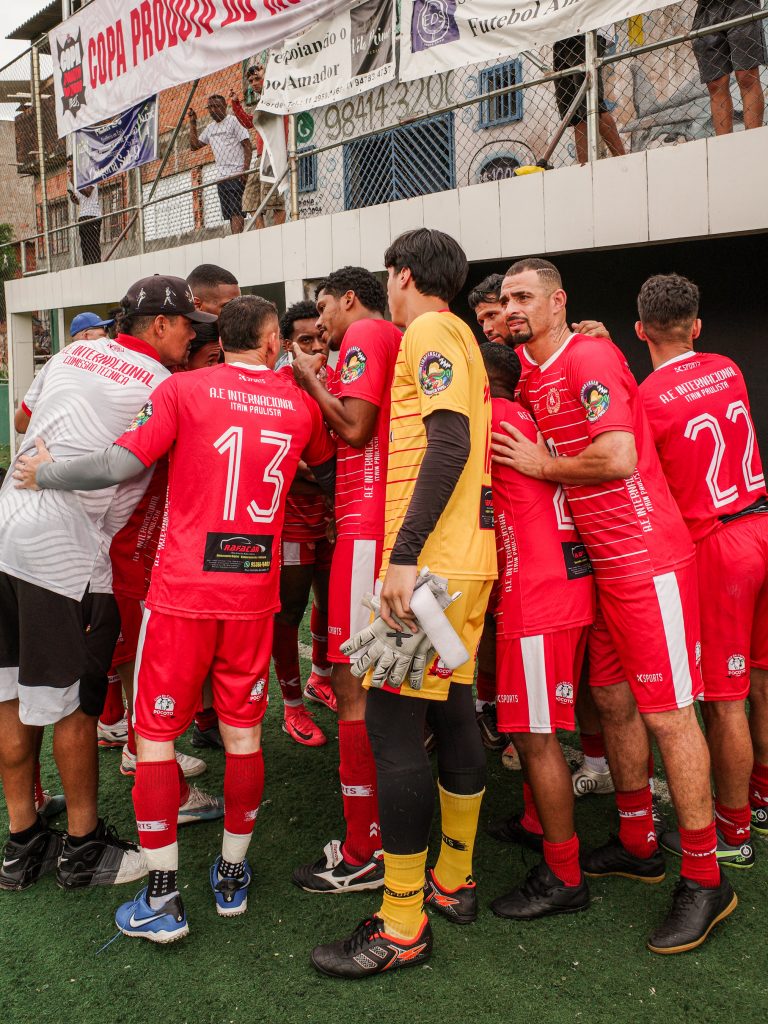
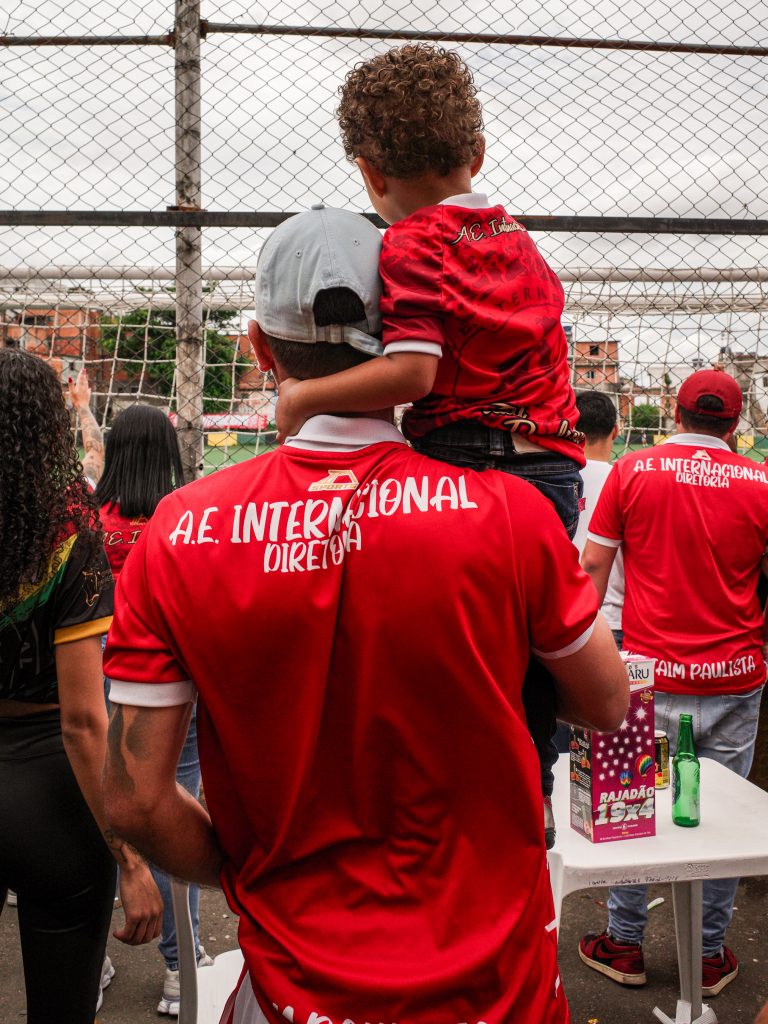
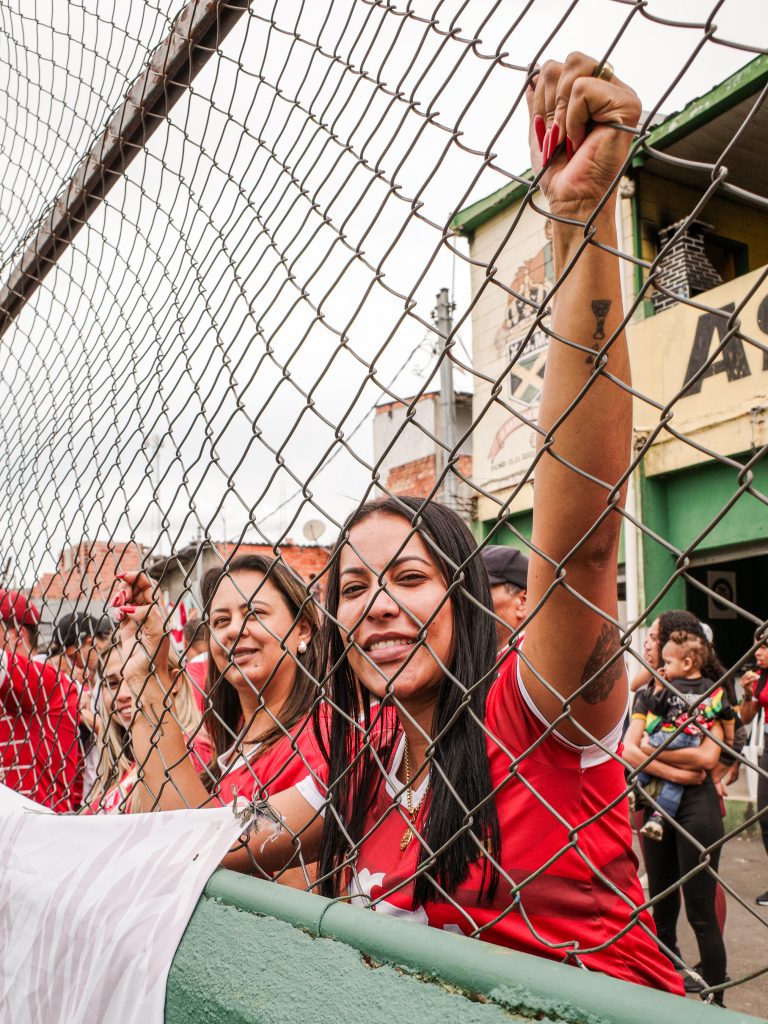
When I arrived in Brazil, I had only one idea in mind: to document Brazilian street football. Várzea football is a huge movement in Brazil — professionally organised tournaments where the protagonists aren’t famous players, but ordinary people with one shared passion: football. Sunday is a day of great celebration. On the sidelines, you can find old men grilling meat, children playing with a can or anything that resembles a ball, and organised supporters cheering on their team. It’s a unique spectacle for football lovers.
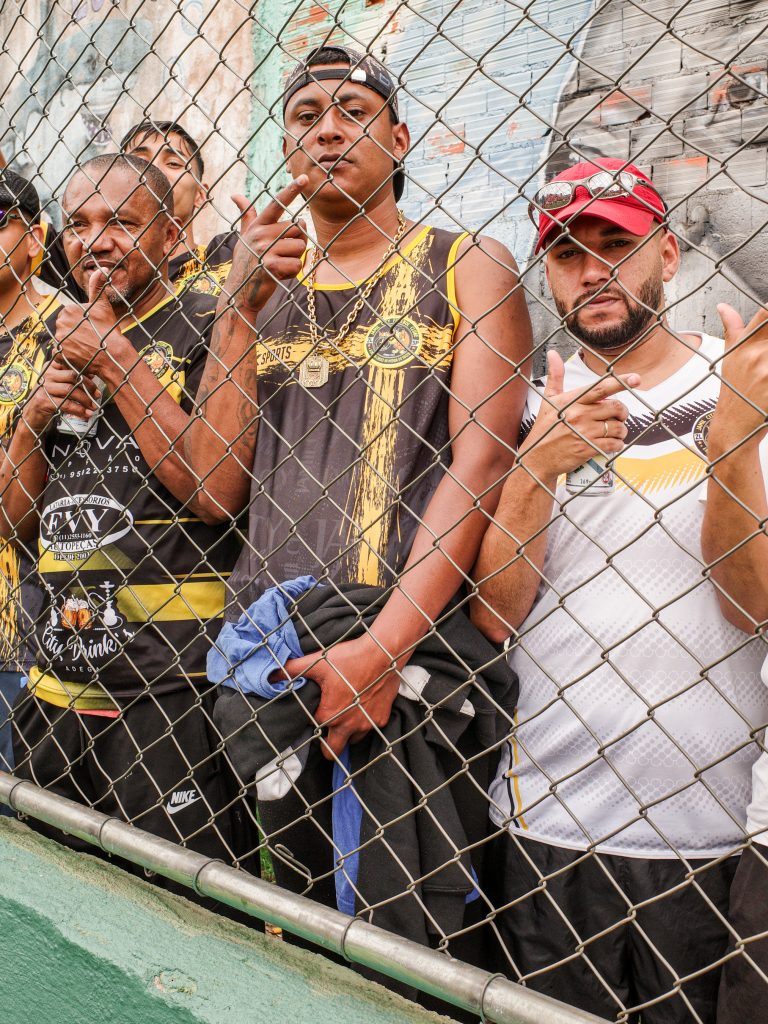
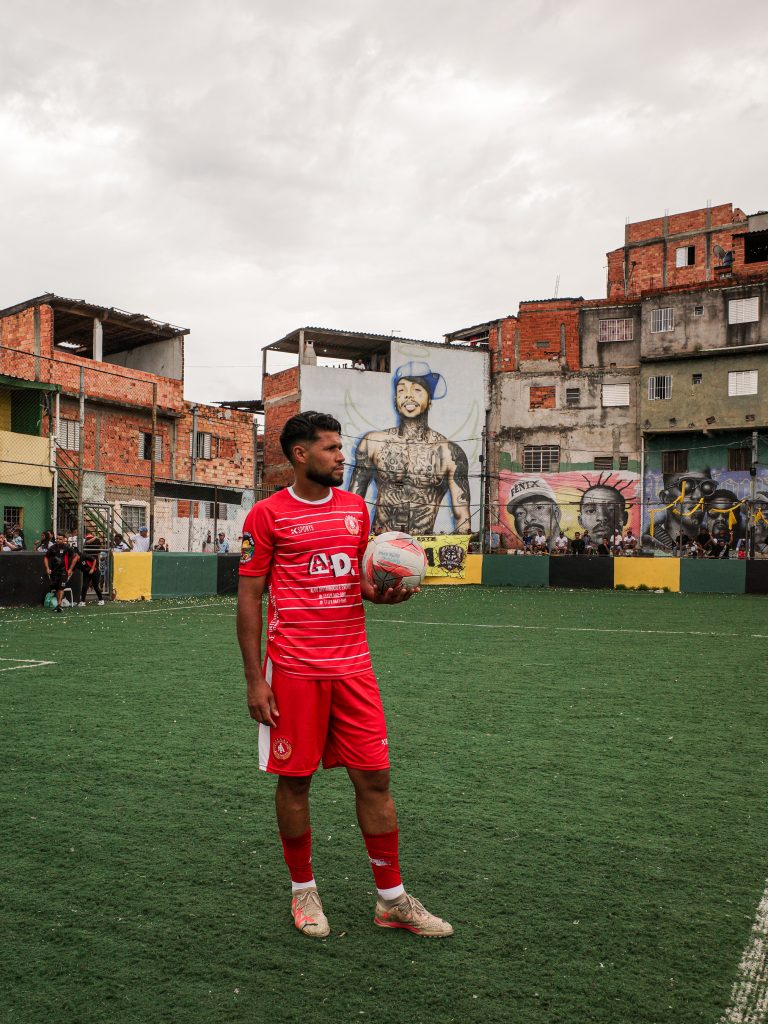
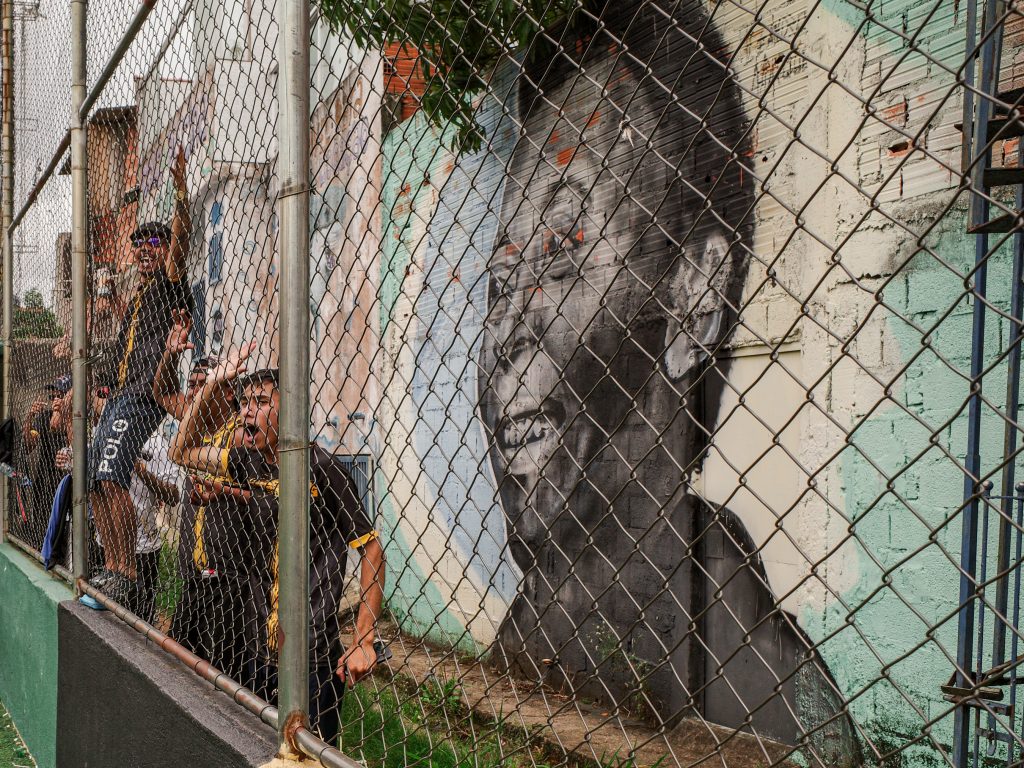
It was a truly unique experience. When I arrived at Campo do X do Morro, my first approach was timid. I was there with my close friend, photographer Rafael Veiga (@rveiga_), who explained to the organisers that I was a photographer from Italy. From that moment on, I received a star-studded welcome: direct access to the sidelines, a free official tournament jersey, and interviews. What I love most about Brazilians is their emotional warmth. I immediately felt at home.
If you love football and are in Brazil, you cannot miss the opportunity to attend a Várzea football match. It’s the best way to experience the purest side of the game, free from political or financial interests. Seniors, adults, and children all come together to enjoy a Sunday of football and fellowship. It’s a unique experience that can only truly be had in Brazil.
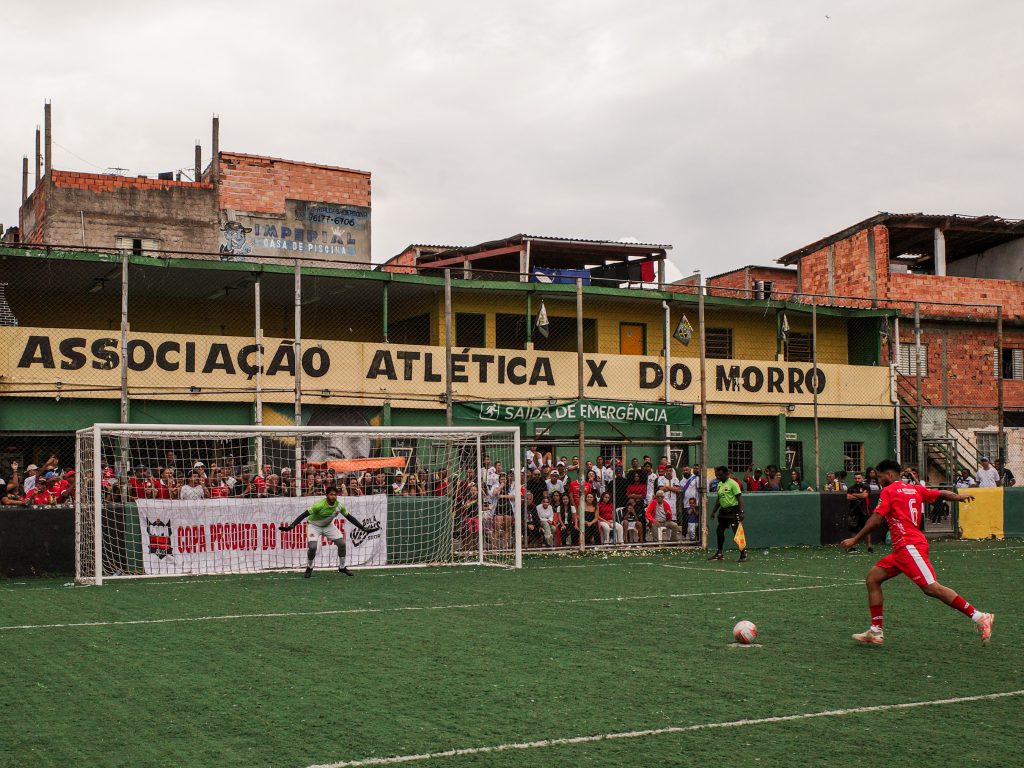
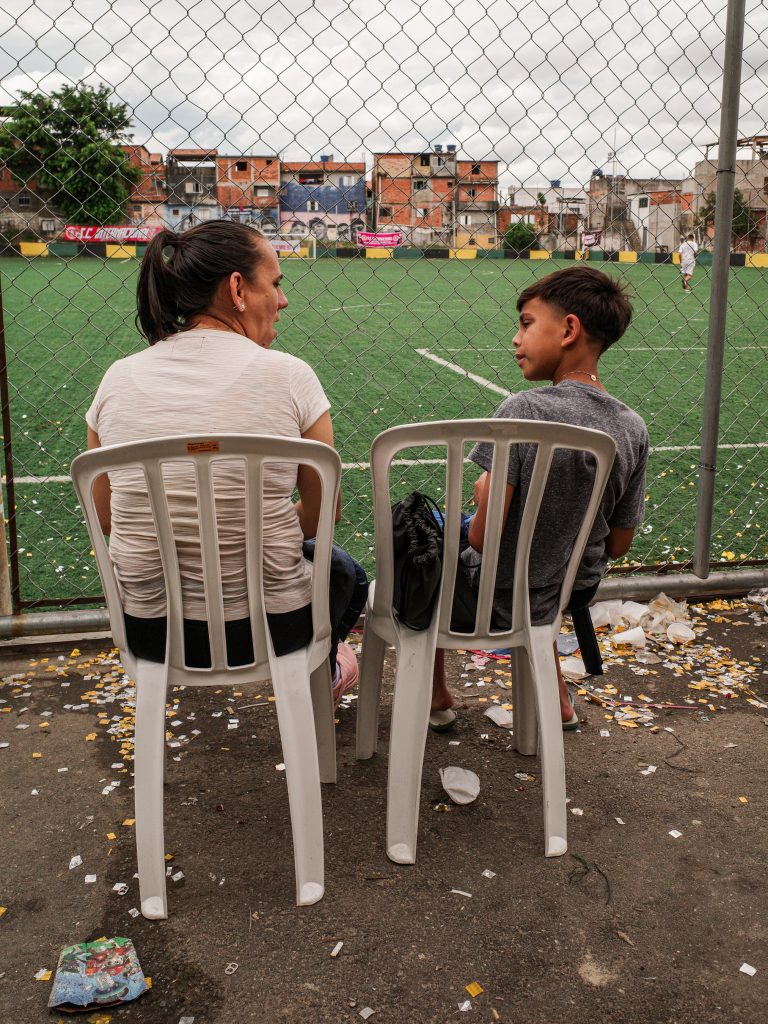
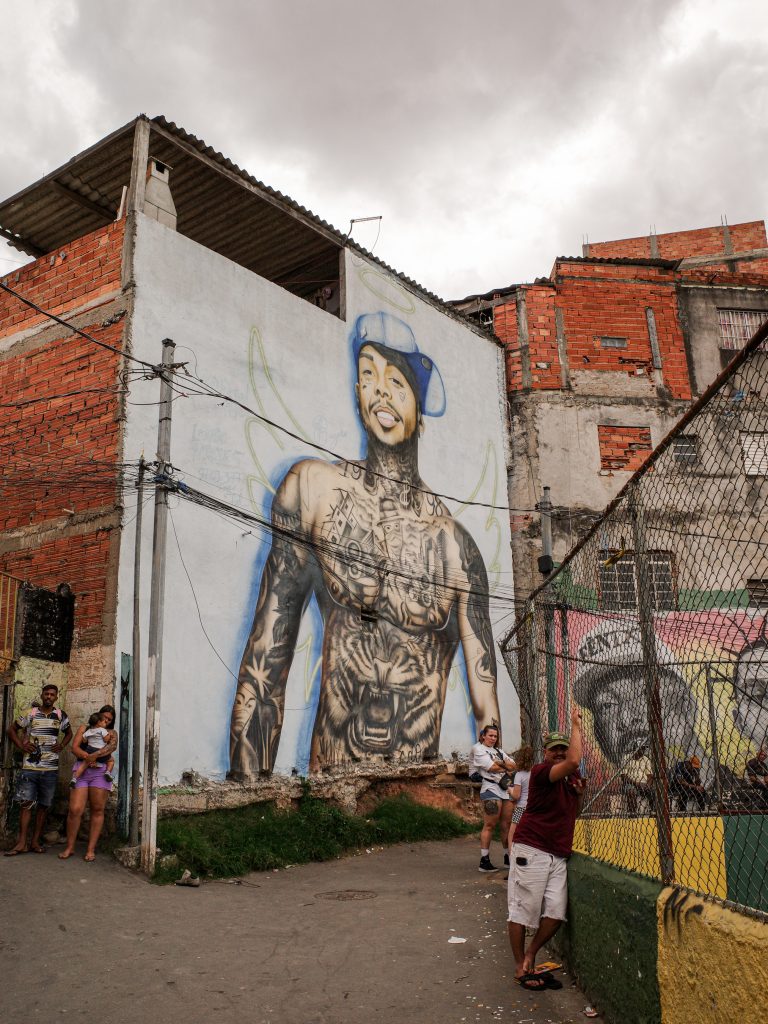
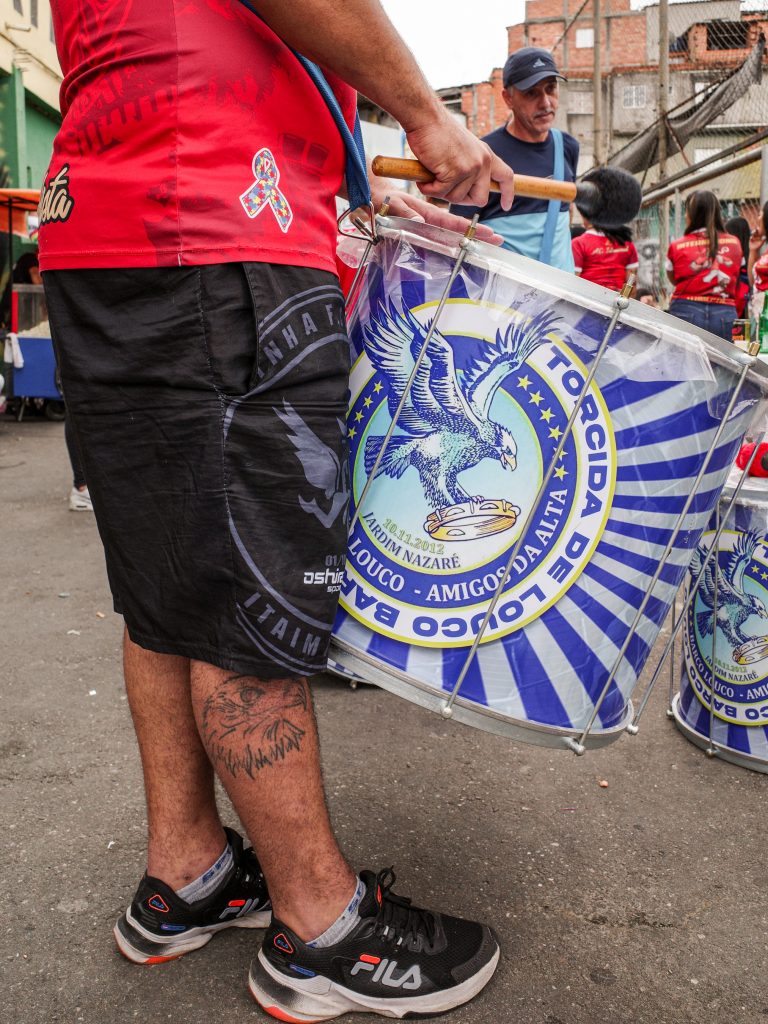
There’s no real comparison when it comes to football culture in Brazil. Football is everything there, and it’s experienced with immense passion. I used to believe that my city was among the most passionate in terms of football, but after visiting stadiums in São Paulo and Rio de Janeiro, my perspective completely changed. In Brazil, they sing before, during, and after the game — it’s a constant celebration to the rhythm of samba. People wear the colours of their favourite team throughout the week, not just on matchday. And there is always respect; if you wear a different jersey to mine, you are still my brother. Brazil is different. I’ve missed it since the day I returned home.
All words and images: Gaetano Bastone