Some clubs are inseparable from their cities. Others are their cities. In Pelotas, in Brazil’s southernmost state of Rio Grande do Sul, football doesn’t just fill weekends — it defines identity. To understand this place, you have to understand Grêmio Esportivo Brasil. And to understand Brasil, you have to walk Pelotas slowly, listen carefully, and feel the weight of history in its streets.
Pelotas: A City Built on Trade, Culture, and Contradictions
Set between the Atlantic coast and the vast Lagoa dos Patos, Pelotas is a city shaped by cycles of wealth and decline. Once prosperous from the charque (jerked beef) trade, Pelotas grew grand theatres, pastel-coloured mansions, and wide European-style avenues — the architectural evidence of former riches.
Today, the city wears its past openly. The historic centre is elegant but weathered, proud but imperfect. Cafés sit inside faded buildings. Old men gather outside bakeries. Students drift between lectures and bars. Life here moves at its own pace, unbothered by modern Brazil’s obsession with speed.
And running quietly through it all is football.

The Club of the People
Founded in 1911, Grêmio Esportivo Brasil emerged when football in Pelotas belonged almost exclusively to white elites. Brasil chose a different road. It welcomed Black players rejected by other clubs and built its identity from the margins.
What was once used as an insult — Os Negrinhos — became a badge of honour. Later, the club would adopt another name that carried even greater weight: O Xavante. Inspired by Indigenous resistance and strength, the nickname came to symbolise bravery, defiance, and an unbreakable bond with the people.
Supporting Brasil has never been about glamour. It has always been about belonging.
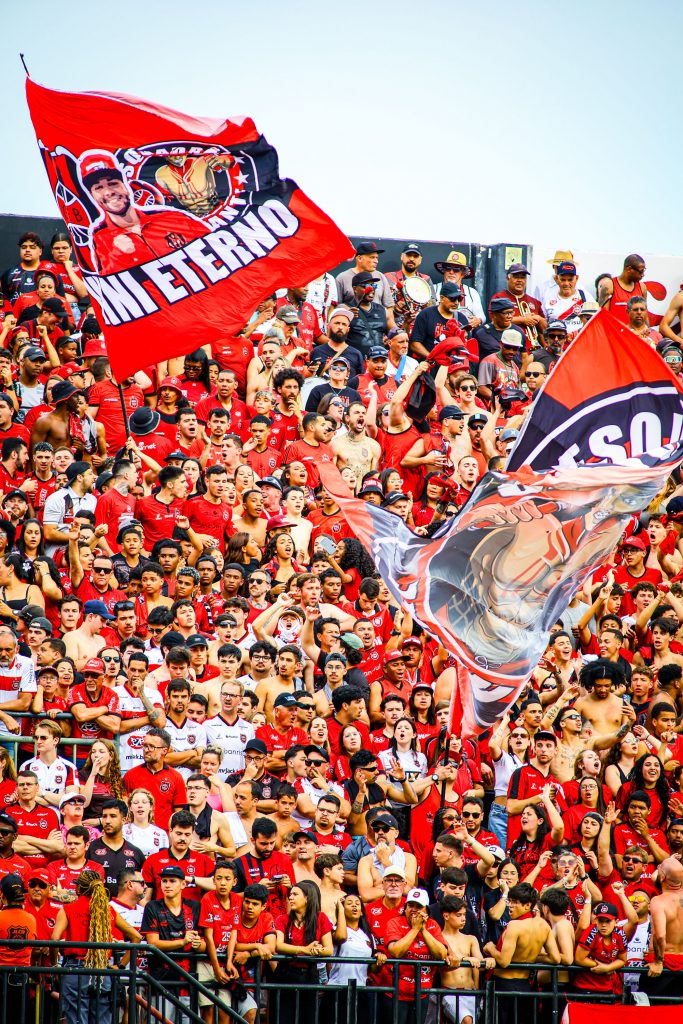
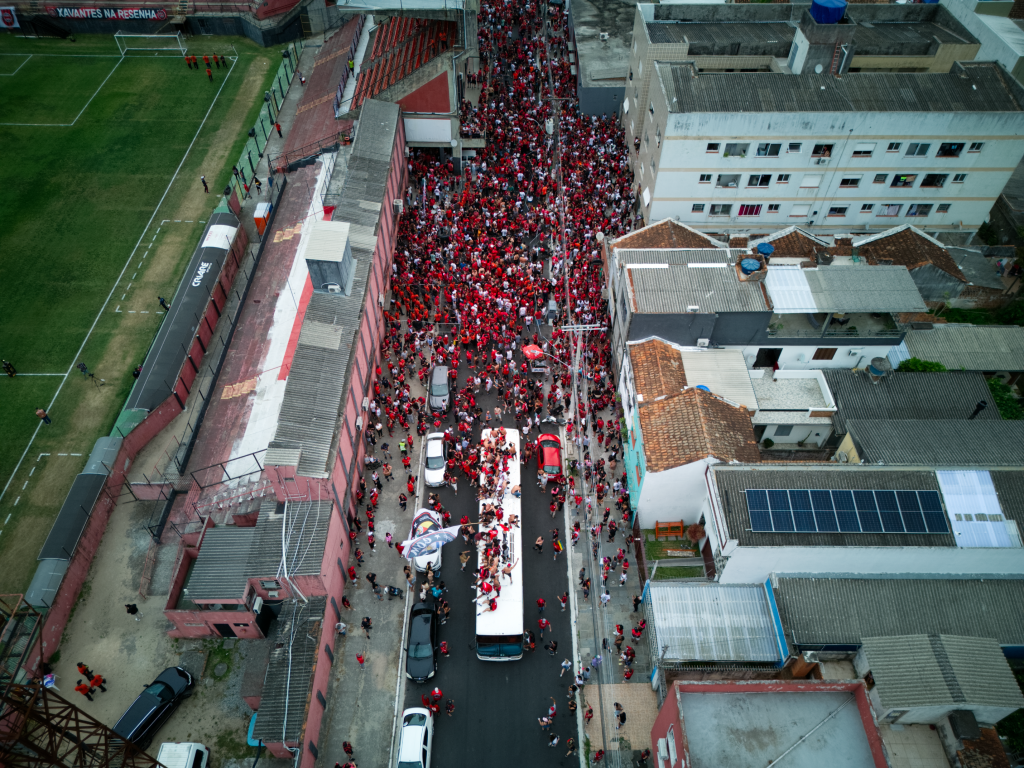
On matchday, everything leads to Bento Freitas Stadium.
On matchday, everything leads to Bento Freitas Stadium.
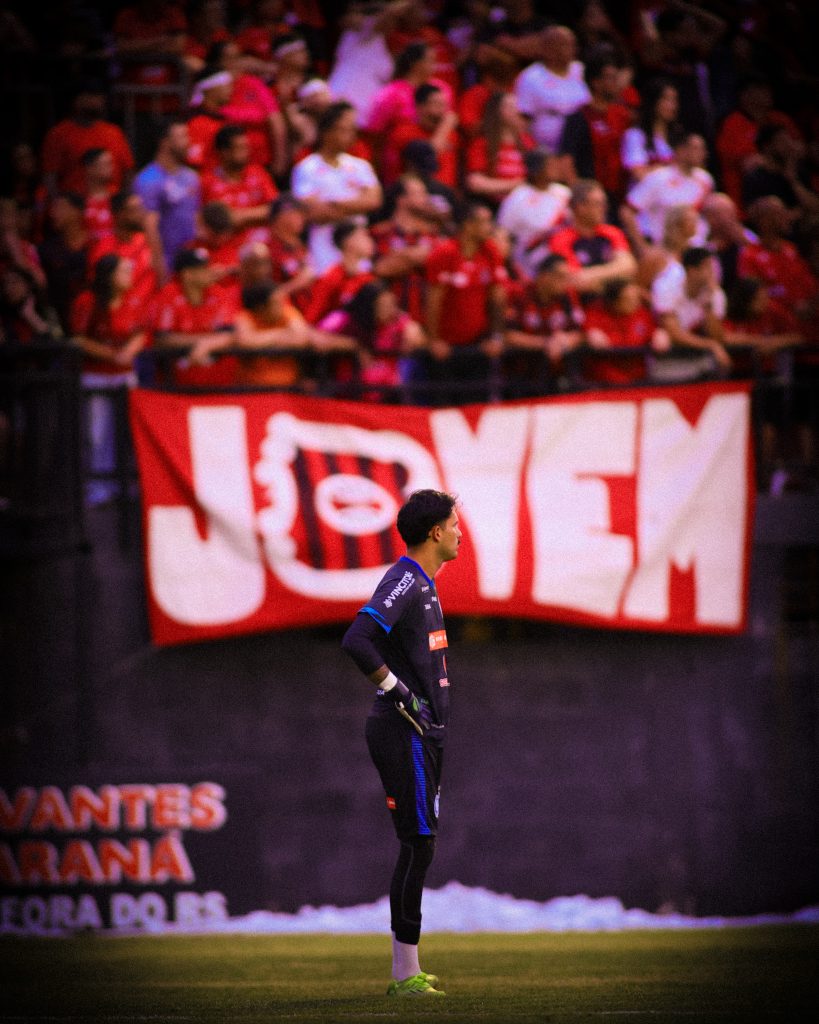
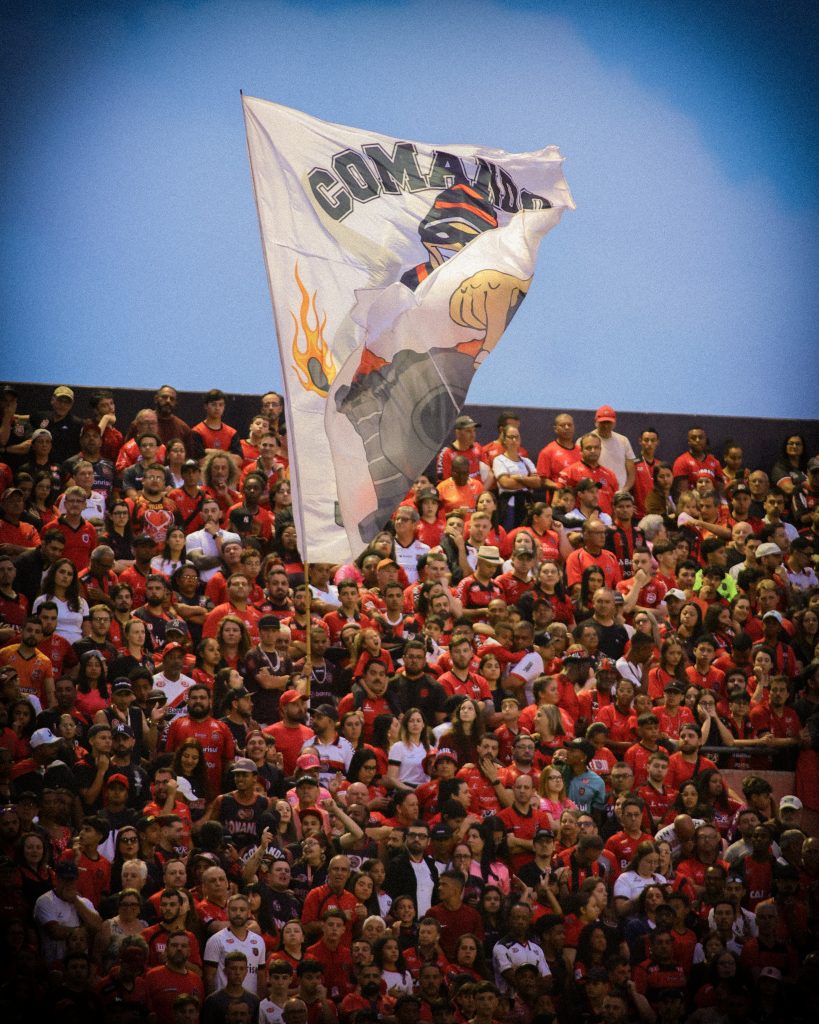
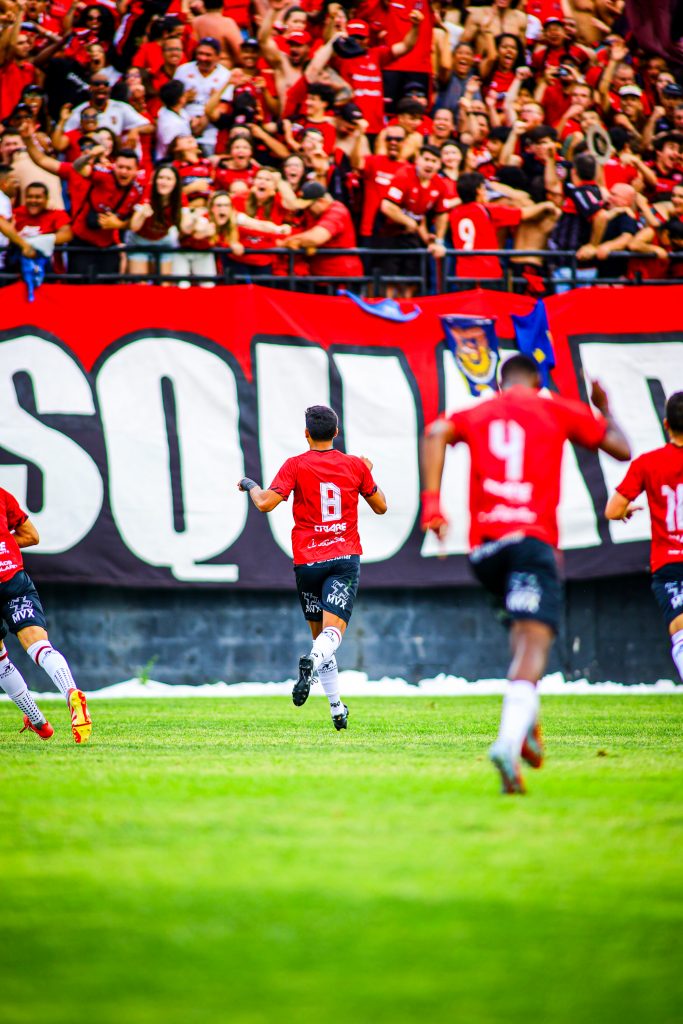
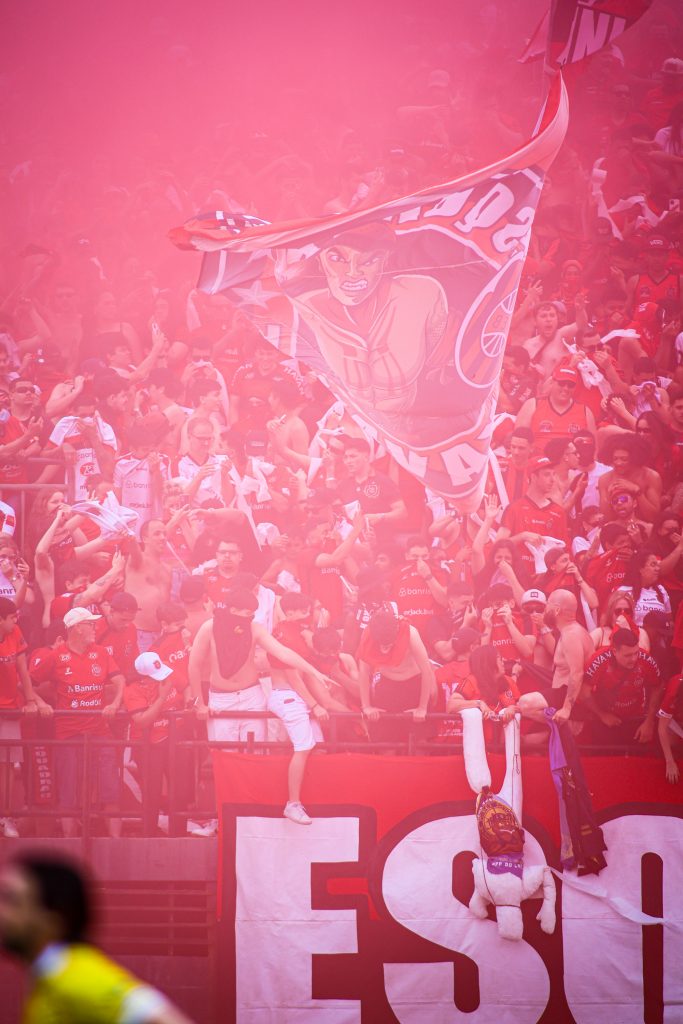
There are no corporate lounges here. No polished hospitality zones. Bento Freitas is concrete, noise, flags, smoke, and sweat. The stands rise close to the pitch, trapping sound and emotion inside. When the Xavante sing, it doesn’t echo — it presses down.
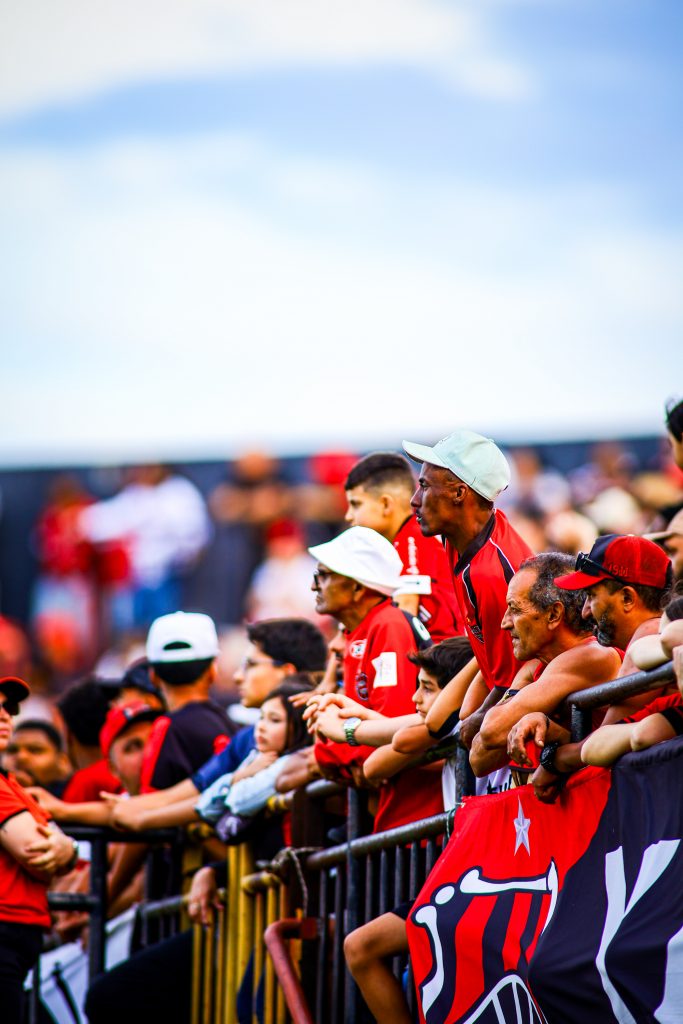
Even in Série D, the stadium fills. Not out of hope for trophies, but out of duty. This is what being Xavante means: turning up regardless of logic.
For visiting supporters, Bento Freitas feels confrontational. For locals, it feels like home.
A Way of Life, Not Just a Result
To follow Brasil de Pelotas is to accept suffering as part of the deal. The club has beaten world champions, humbled Flamengo in front of 20,000 people, and flirted with the top flight — only to fall again.
Relegations came. Pain followed. Then tragedy, in 2009, when a bus accident claimed the lives of Cláudio Milar, Reginaldo, and Giovanni Guimarães. The city mourned collectively. Murals appeared. Names were sung. Memory became fuel.
This is where football in Pelotas shifts from sport to ritual.
Every chant carries history. Every scarf holds grief and pride in equal measure.

The People Behind the Badge
Brasil’s supporters call themselves A Maior e Mais Fiel — the biggest and most faithful. It’s not marketing language. It’s inheritance.
Support is passed down in kitchens and bars, from father to son, mother to daughter. Red and black shirts are worn daily, not just on matchdays. Taxi drivers talk tactics. Bakers argue about referees. Everyone has a story about Bento Freitas.
In Pelotas, football is conversation currency.
Beyond the Stadium: Living Pelotas
A weekend in Pelotas doesn’t end at full-time. It spills into bars, cafés, and late-night conversations.
Start with coffee downtown, where old theatres and colonial façades frame everyday life. Try local sweets — Pelotas is famous across Brazil for its doces, a legacy of Portuguese influence and sugar wealth. Walk toward the waterfront as the light softens, and the city feels almost Mediterranean.
At night, tables fill slowly. Conversations linger. Football inevitably enters the room.
This is not a city that performs for tourists. Pelotas doesn’t sell itself loudly — it waits to be understood.
Why This Place Matters
In an era of sanitised football, Pelotas offers something increasingly rare: authenticity without performance.
Grêmio Esportivo Brasil exists outside the spotlight, powered by memory, resistance, and love. The club’s story mirrors the city itself — proud, wounded, resilient, and deeply human.
To visit Pelotas is to step into a slower rhythm of football and life. To stand at Bento Freitas is to feel what the game once was — and still can be.
This is not about trophies or trends.
It’s about roots.
It’s about people.
It’s about being Xavante.
Avante.