Words and Images Luke Bajic
The whole city feels built around BVB
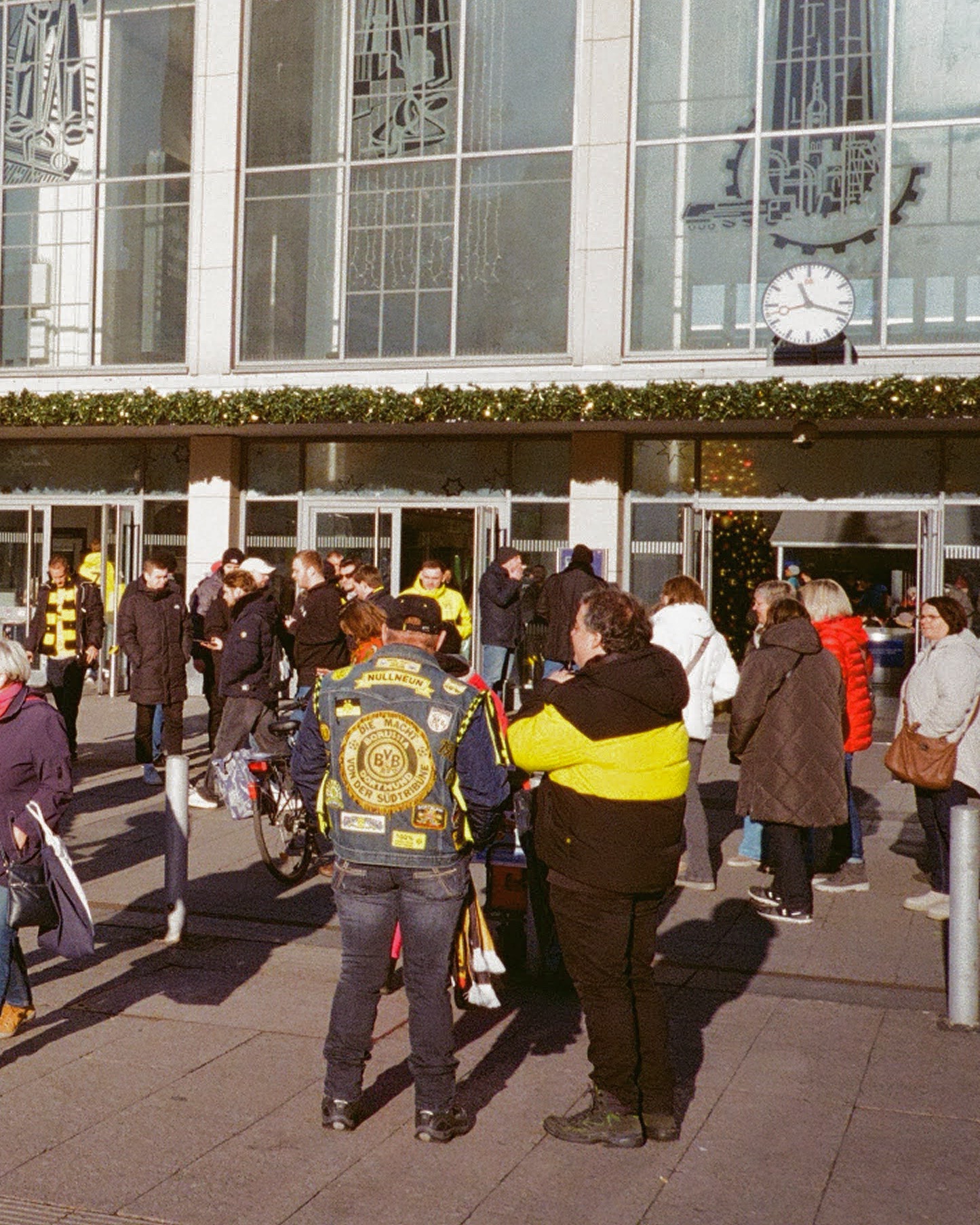
I arrived in Dortmund early, fresh off the train from Düsseldorf, teeth chattering in the cold, the station already buzzing. Yellow and black everywhere. People drifting between cans, conversations, and the hunt for a warm bar. I wandered up to Borsigplatz, BVB’s birthplace, before heading out to Westfalenstadion, and the nearer I got, the louder it felt.
Three hours before kick-off, and the whole place was already alive. Smoke hanging in the air from bratwurst stalls, half-and-half scarves, cans cracking open, and a small army darting around collecting empties for recycling.
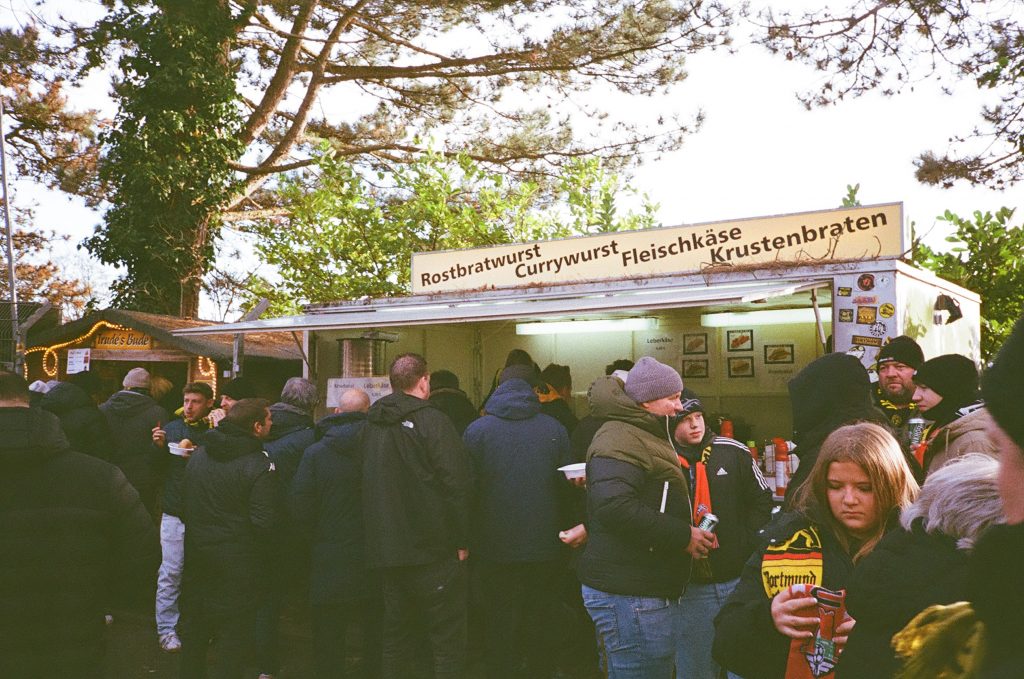
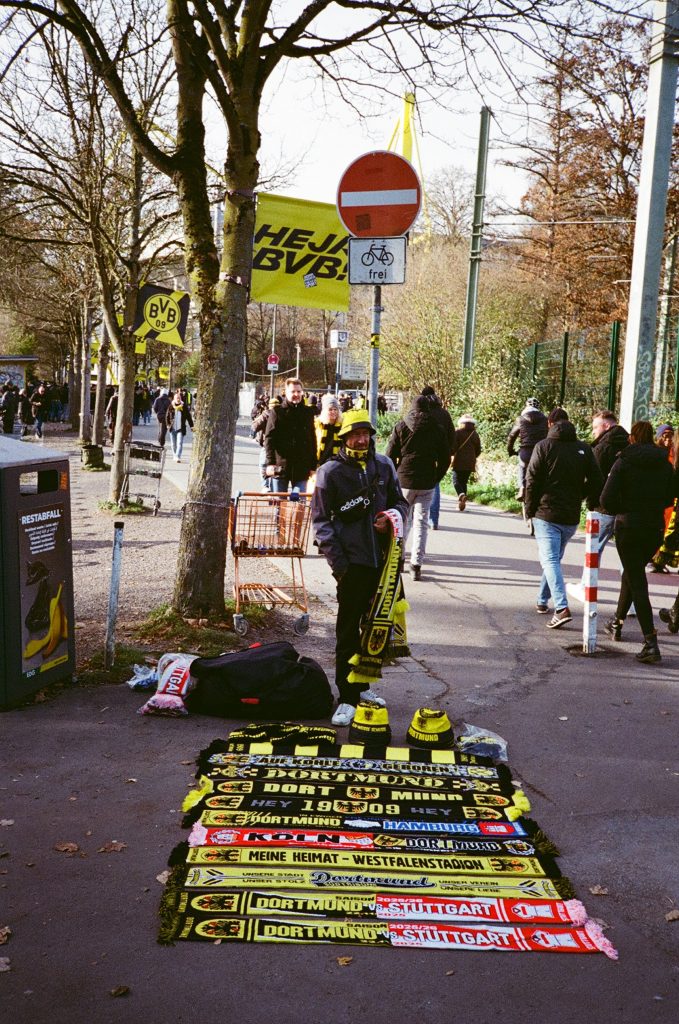
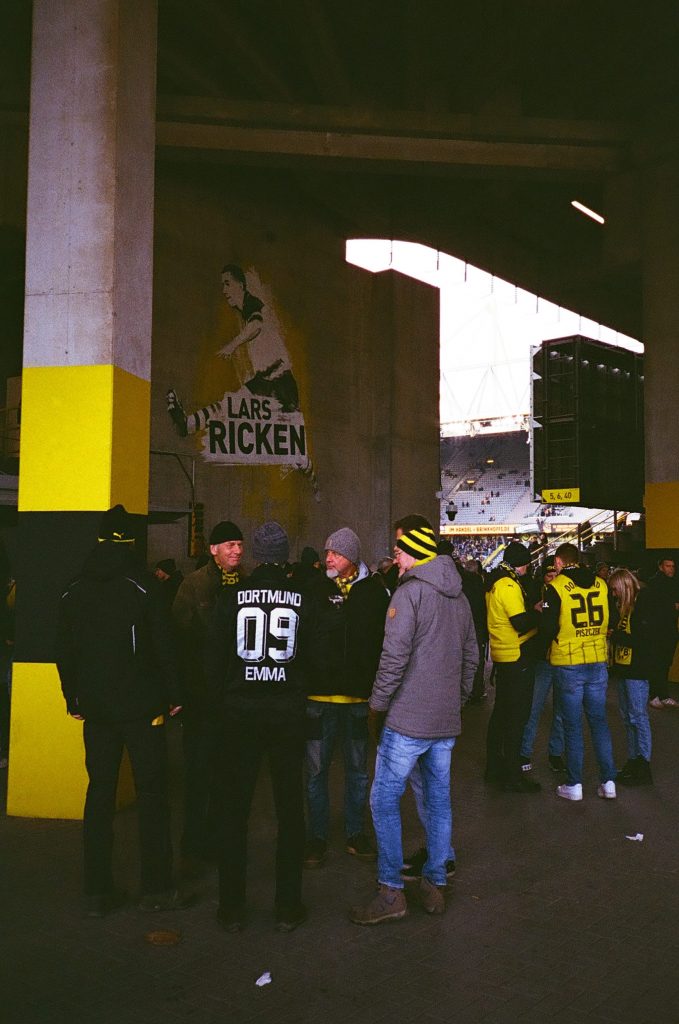
A couple of locals clocked me blowing into my hands. “Kalt.” My limited German translated, and away we went, chatting about predictions. One lad confidently told me it would finish 3–3 — and he wasn’t wrong.
Up in the stand, I squeezed in next to two families and a group of eight mates who stand together every other week, some travelling over three hours for every match. Smiles, nods, hellos. The Wall was almost full before the warm-ups even began, people treating it the way we treat the pub back home: a beer, a chat, a few vocals. Then You’ll Never Walk Alone and every scarf in the air.
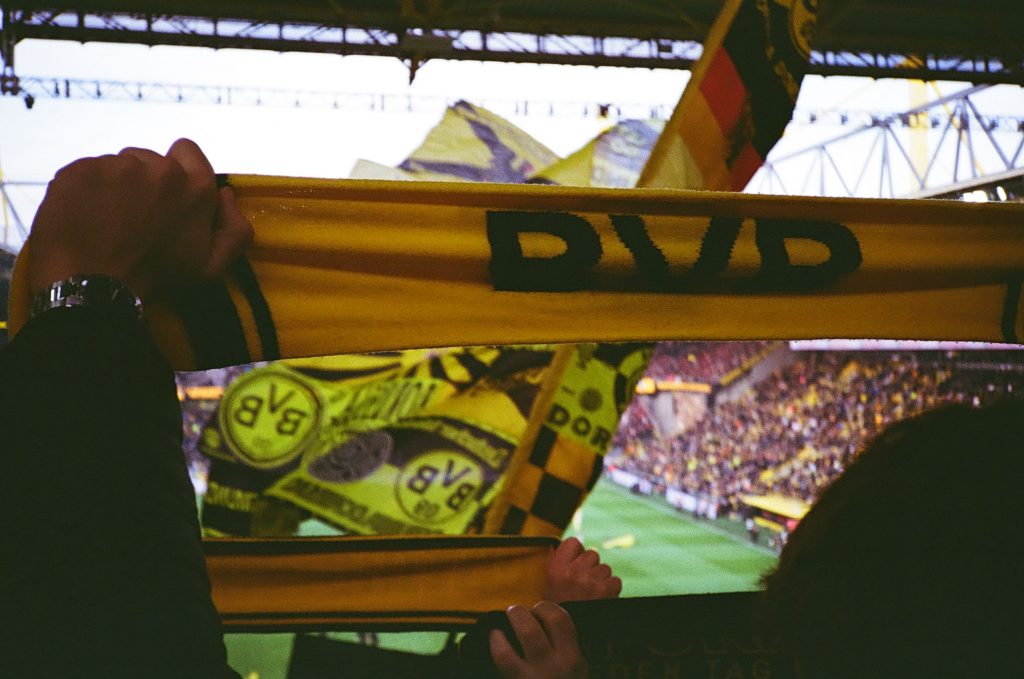
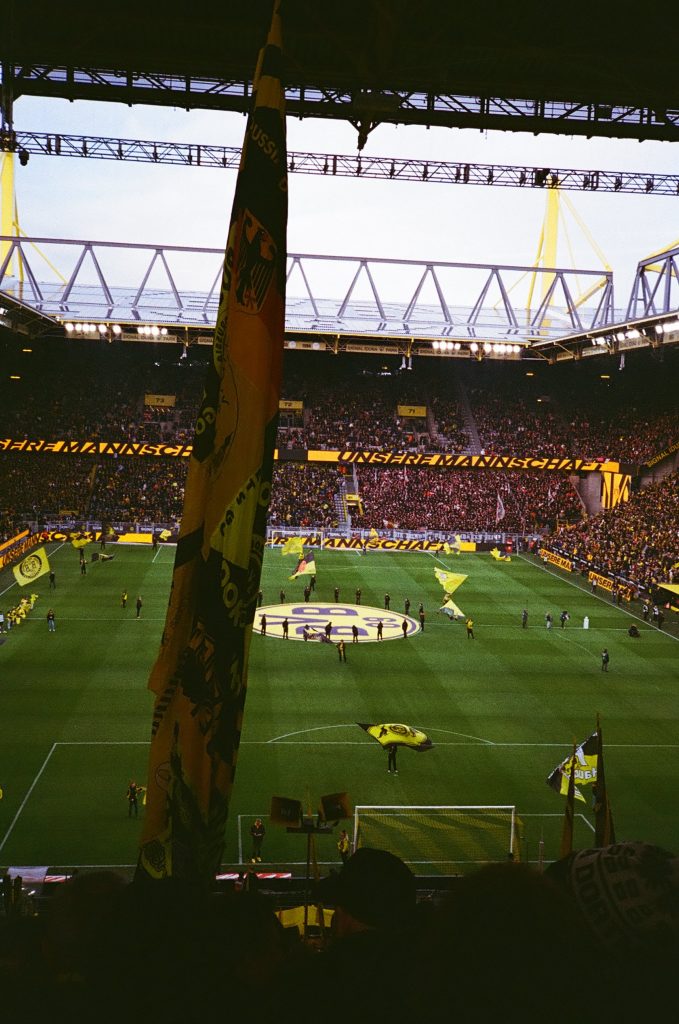
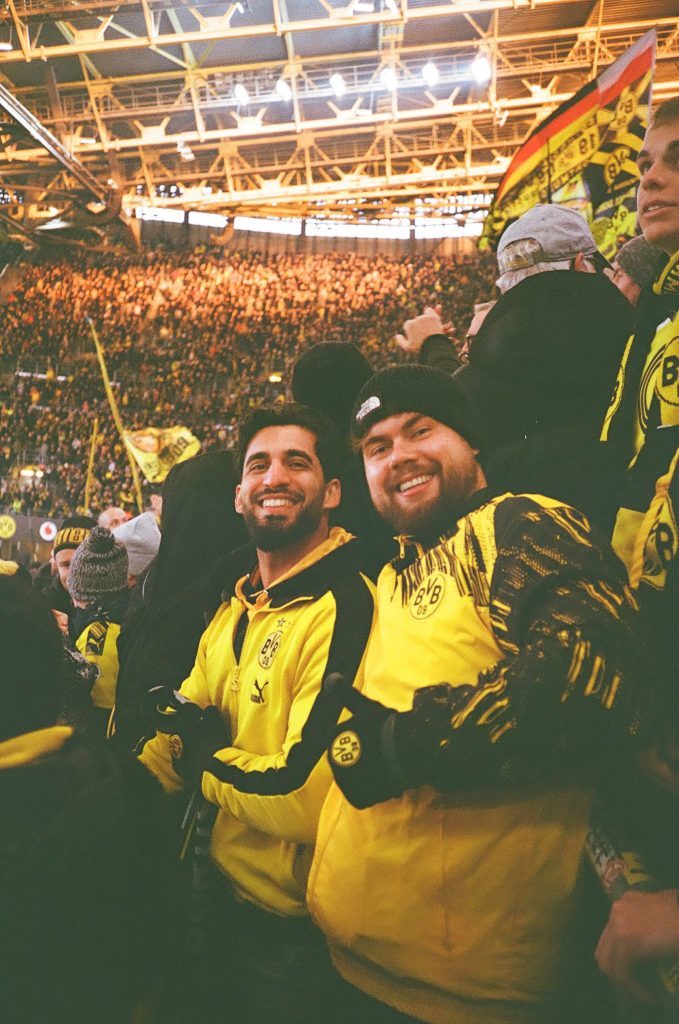
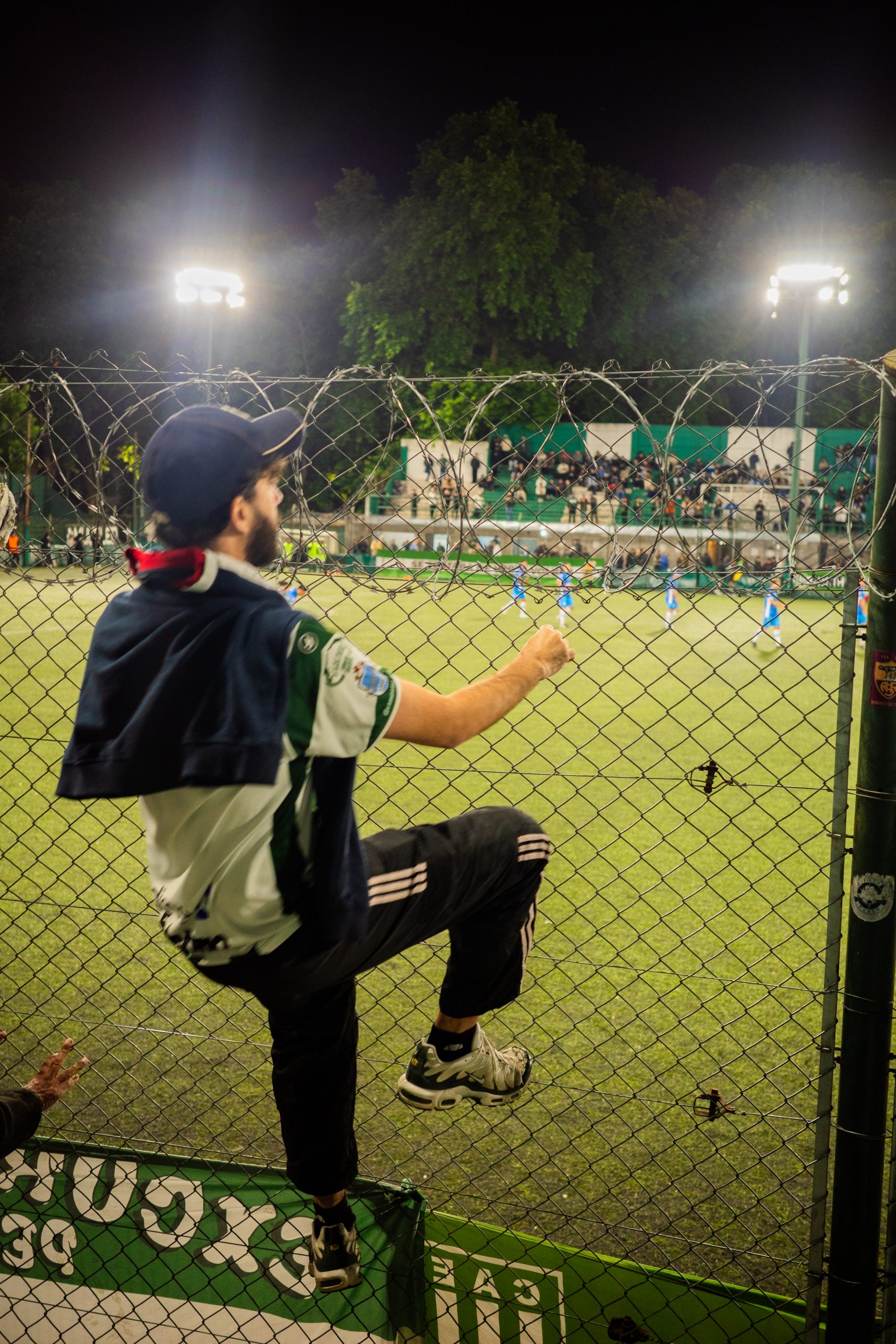
When Dortmund scored what everyone thought was a late winner, the guy next to me climbed the railings before his mates could grab him… only for Stuttgart to equalise seconds later. Full-time. 3–3. A boot slammed against the railing. He looked at me, “F***.”
A few fans stayed behind afterwards to finish beers, cigarettes, and cups of Glühwein. No rush. Just people being together because this is their place.
How Dortmund Compares to Stadiums Around the World
I’ve seen football in a few places, but the Yellow Wall isn’t just noise and flags. Even the silence spoke. The first twelve minutes felt weirdly flat until the young lad next to me explained there was a fan-led protest against proposed ID checks for ticket holders in German football — something that’s slowly creeping into the English game too. Tens of thousands of people falling silent on cue… and then erupting together in the 12th minute, orchestrated by megaphone.
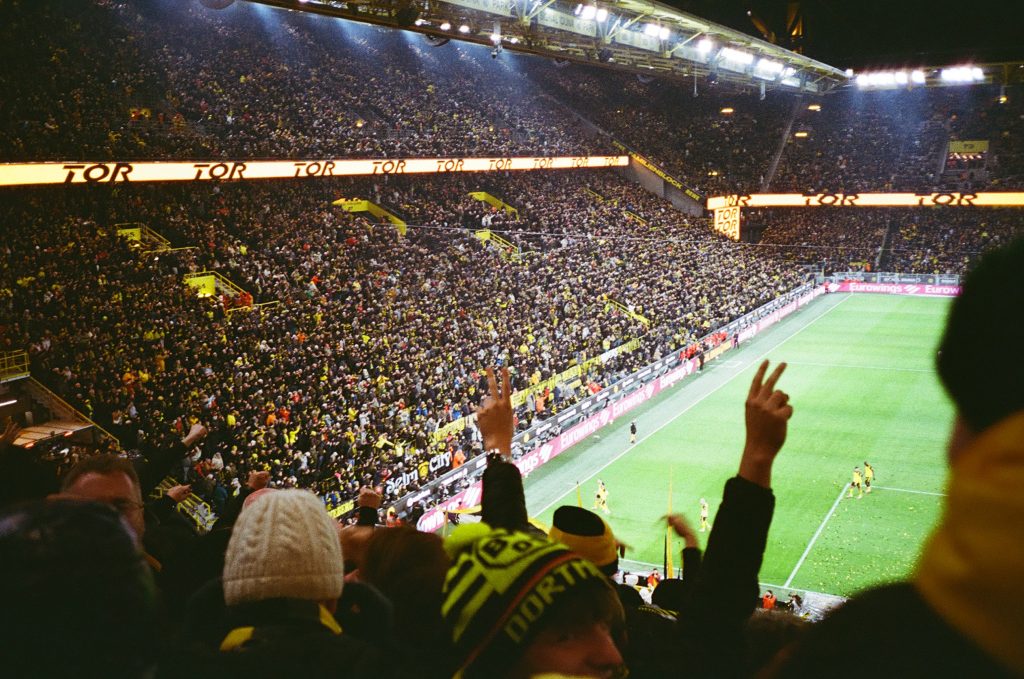
Once the protest lifted, the Wall turned into exactly what you imagine it to be. Beer flying through the air, goal music thumping, strangers hugging. Locals sticking their hoods up for fear of flying Glühwein. When Dortmund scored, the whole stand moved as one. When they conceded 2–1, then 2–2, and finally 3–3, the groans rolled through the crowd, but the singing never stopped.
It felt like one big family. Honestly, it made me fall a little in love with live football again. As a Leicester fan, the last couple of years the stands have been full of disillusioned faces, but this reminded me of what it used to feel like… connected, buzzing.
Understanding Football Culture in Dortmund
With over 81,000 fans packing the place every matchday, Dortmund isn’t just a city’s club — it’s a region’s club. People travel in from all over northwest Germany (thanks to free public transport with matchday tickets) and even across Europe, and you feel that the moment you step off the train. Dortmund station is rammed from early, a tide of yellow and black spilling into the streets.
The whole city feels built around BVB. As soon as you leave the station, giant flags and murals guide you into town. Over in Borsigplatz, everything is drenched in club colours — the roundabout draped in yellow and black flags, corner shops painted and branded, even the bollards wearing BVB stripes. At the centre sits a community cage on Max Michallek Platz, where kids belt balls off the metal fencing surrounded by black-and-yellow artwork.
BVB lives well beyond Westfalenstadion.