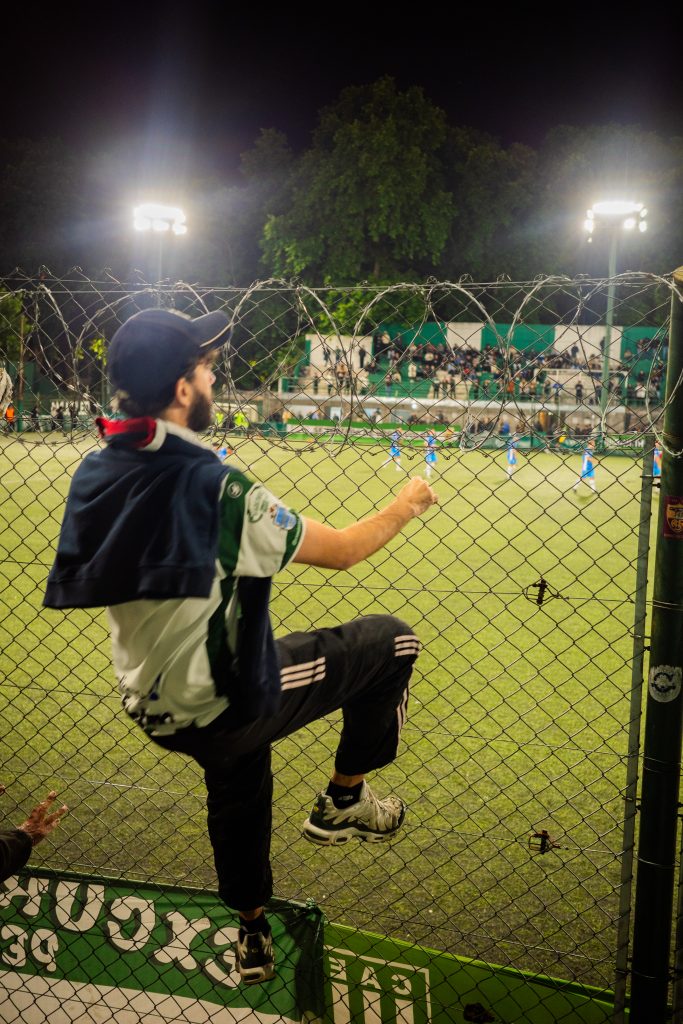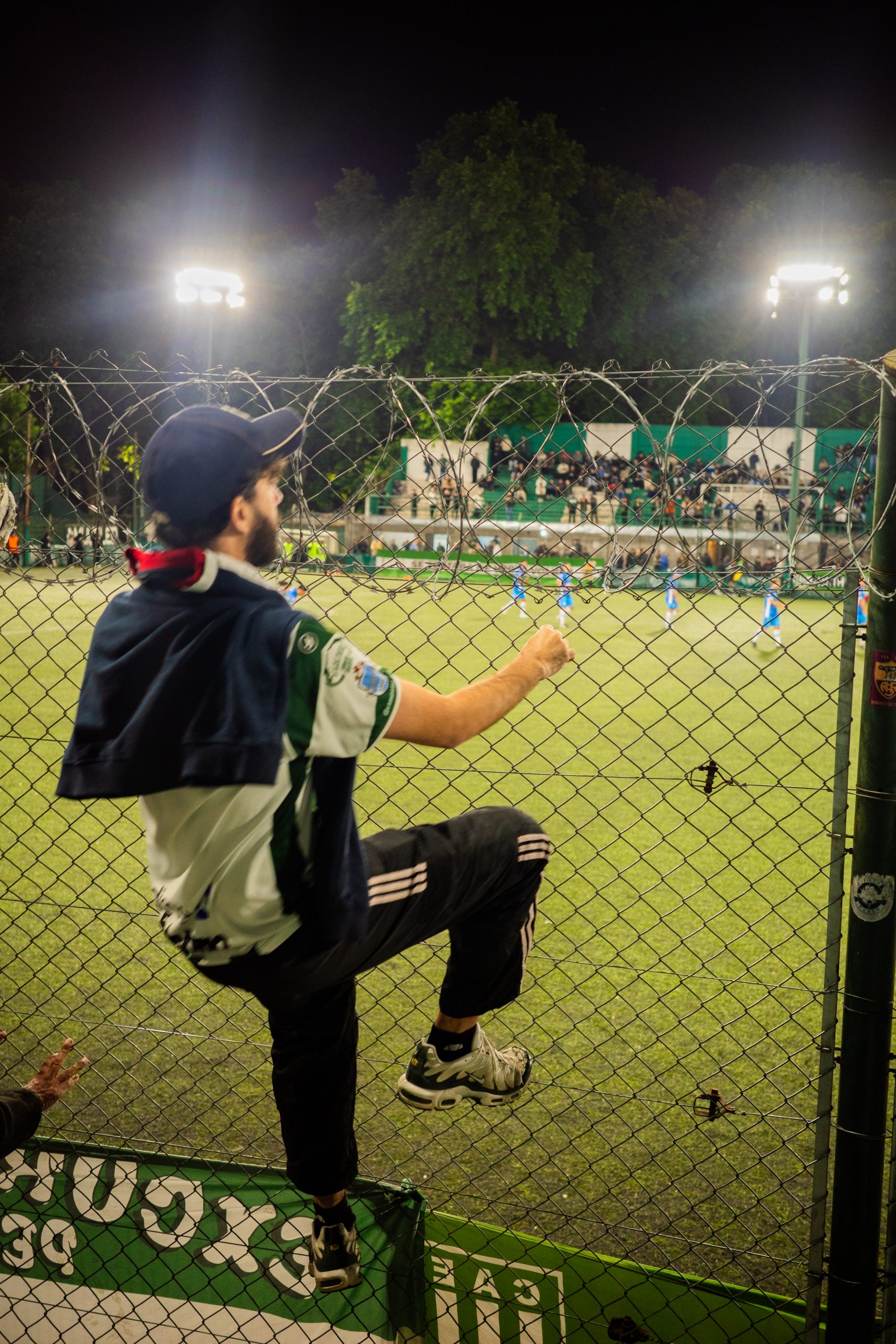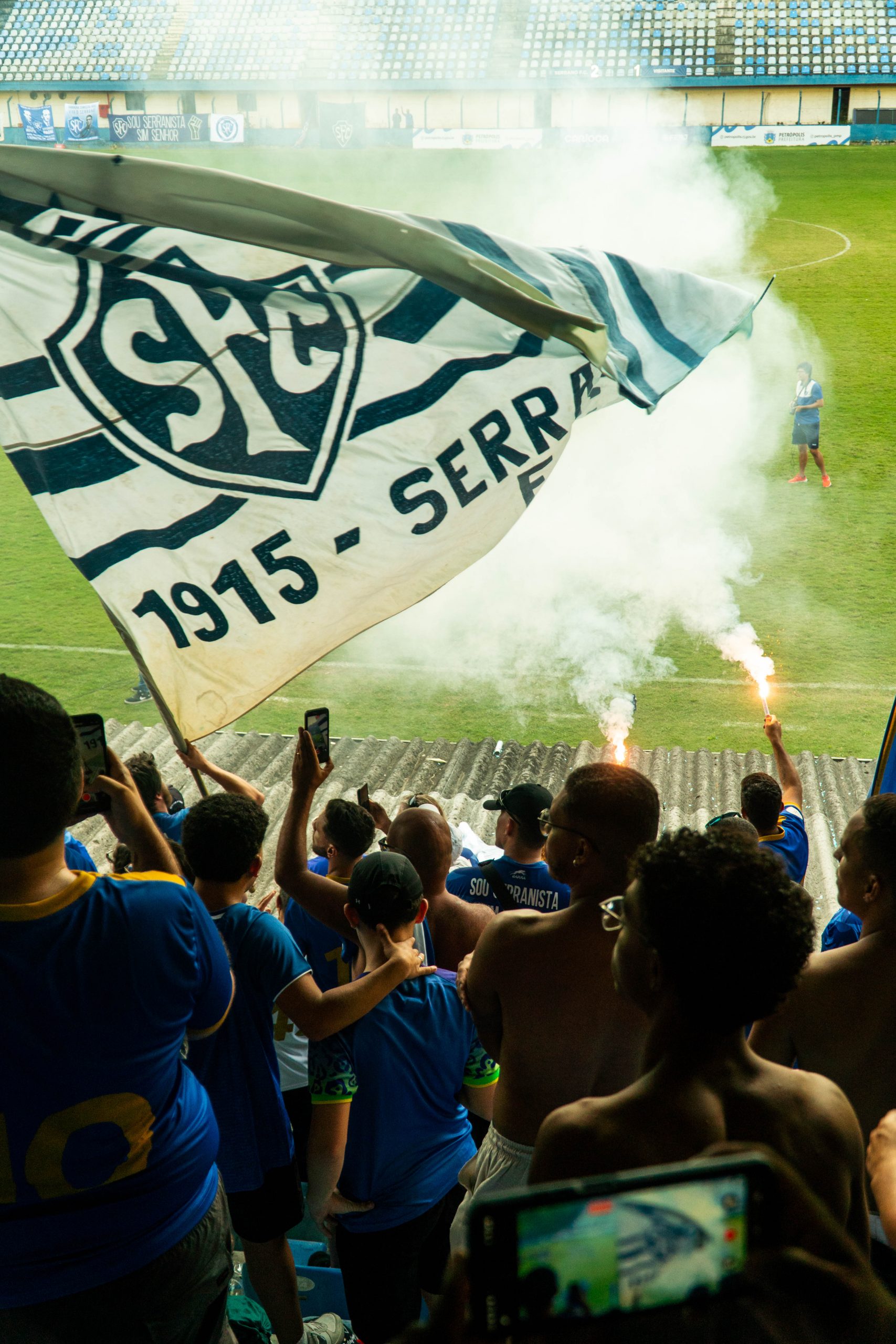
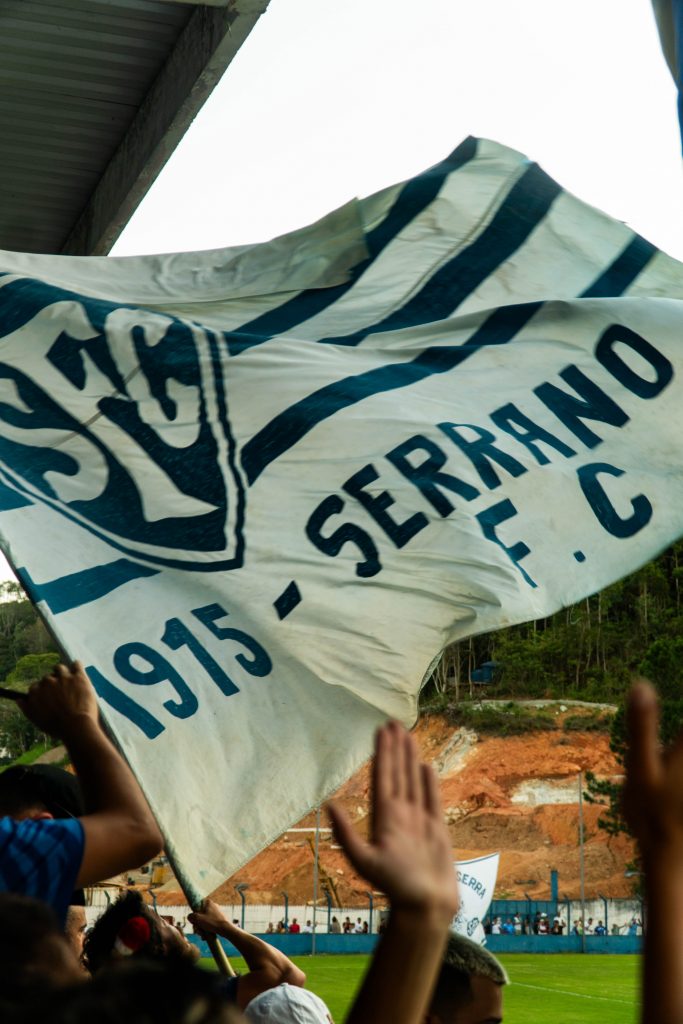
High up in the hills of Rio de Janeiro state lies Petrópolis, a city better known for its palaces, imperial history and leafy streets than for its football. But tucked into this picture is Serrano Football Club, founded in 1915 and still playing an important role in the city today.
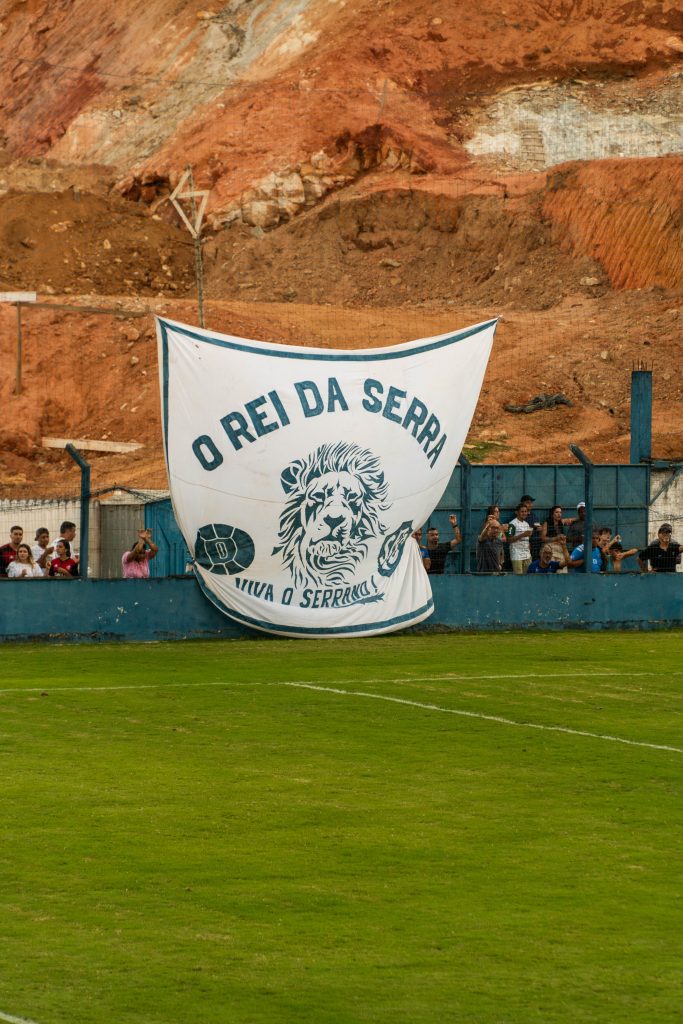
“Serrano is a very traditional club in the state of Rio de Janeiro,” the club says. “It is located in Petrópolis, a very important city in the state and has many notable buildings from the monarchical period in Brazil. Founded in 1915, Serrano was well known in the city as a popular club that attracted all types of people to its parties and social events. We started in amateurism and won two regional tournaments in 1925 and 1945. What makes Serrano so special is the fact that it is very close to the local community, and it is a club that lives in the hearts of every resident of Petrópolis.”
That closeness is perhaps what has kept Serrano relevant for more than a century. While other clubs chase television rights and global attention, Serrano remains firmly anchored in place: a team that still matters because it belongs to the people around it.
The Garrincha Connection
The club’s most famous contribution to the wider football world is impossible to ignore.
“Regarding Garrincha, we are immensely proud,” they say. “He is one of the greatest players of all time, and his career began at our beloved club. We are very happy to be able to help in the emergence of this mythical figure for the sport.”
For a club like Serrano, this link is priceless. Garrincha’s genius belonged to the world, but for Petrópolis, his first steps belong to them.

The Joy of Football in Rio
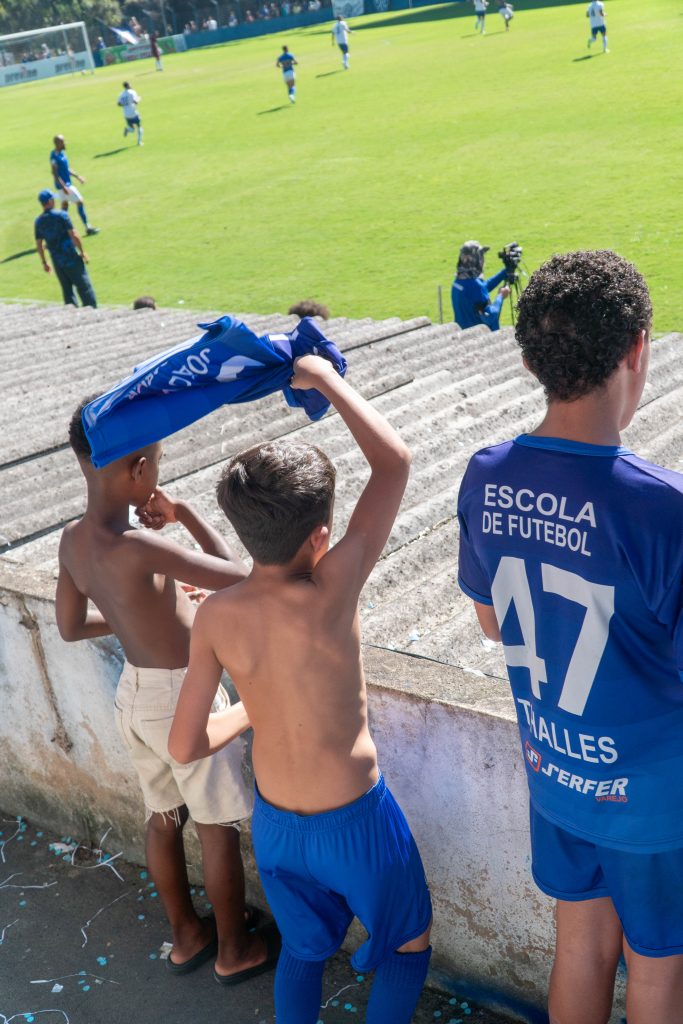
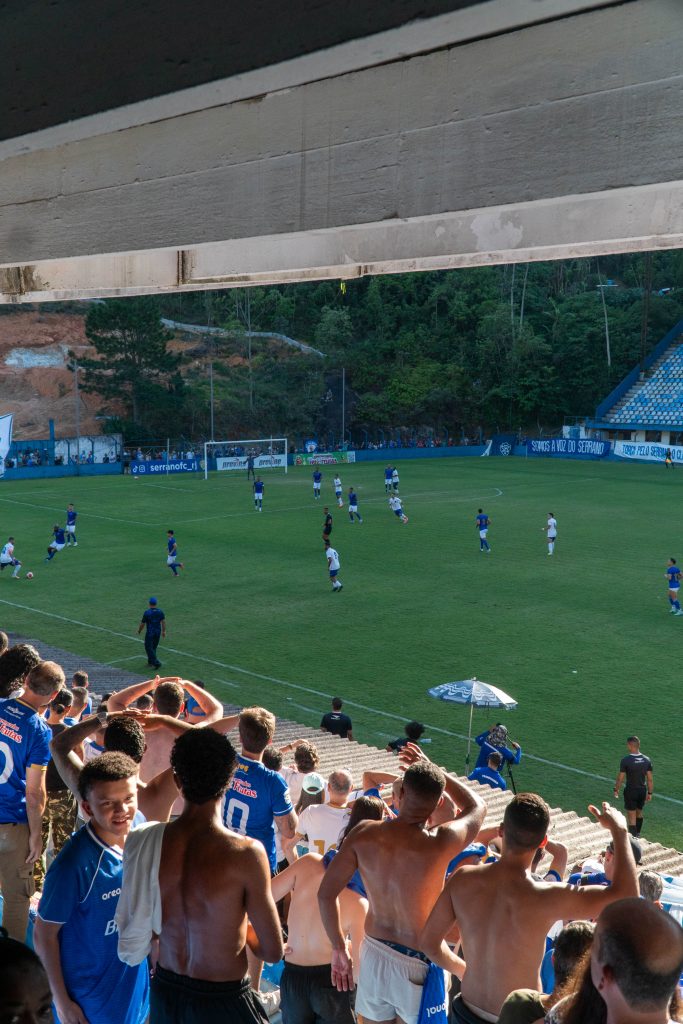
Football in Rio carries its own atmosphere, a blend of ritual, noise and pleasure. The club describe it simply:
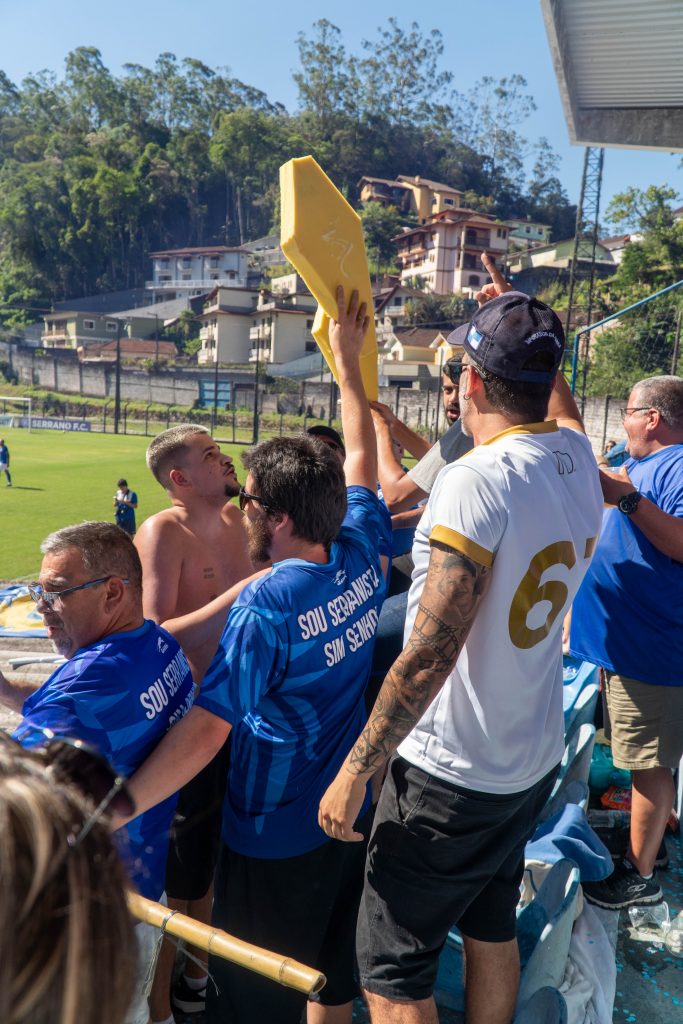
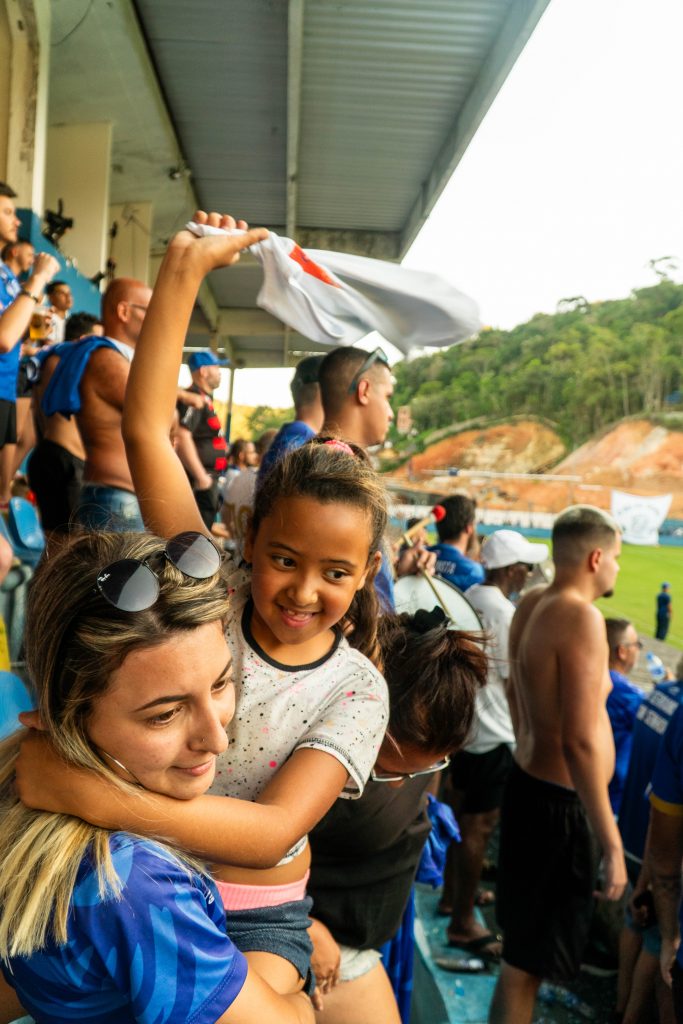
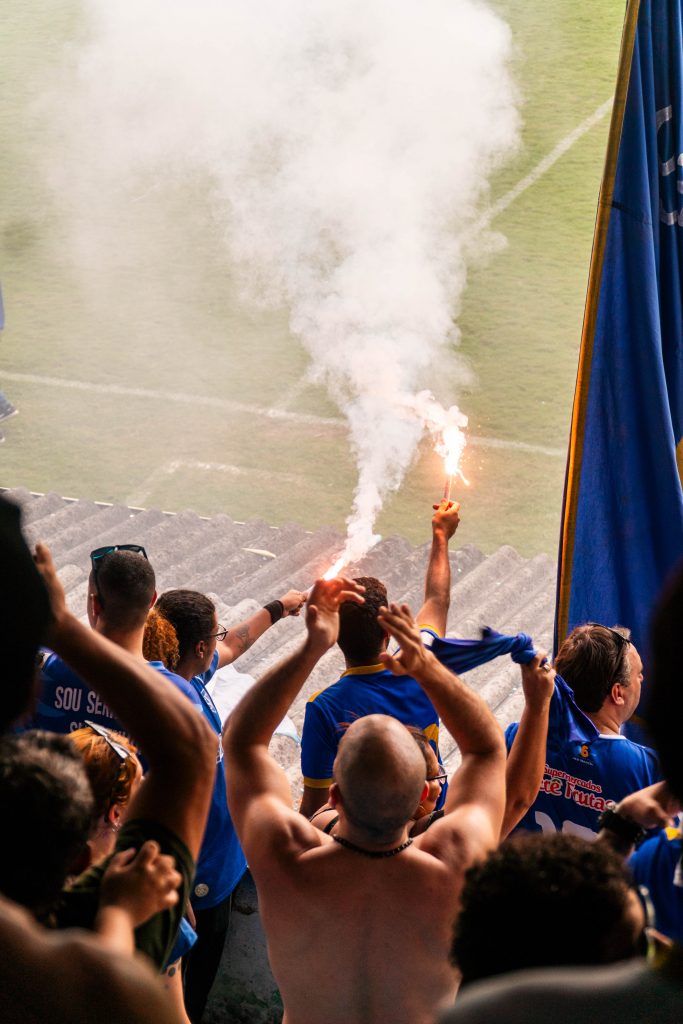
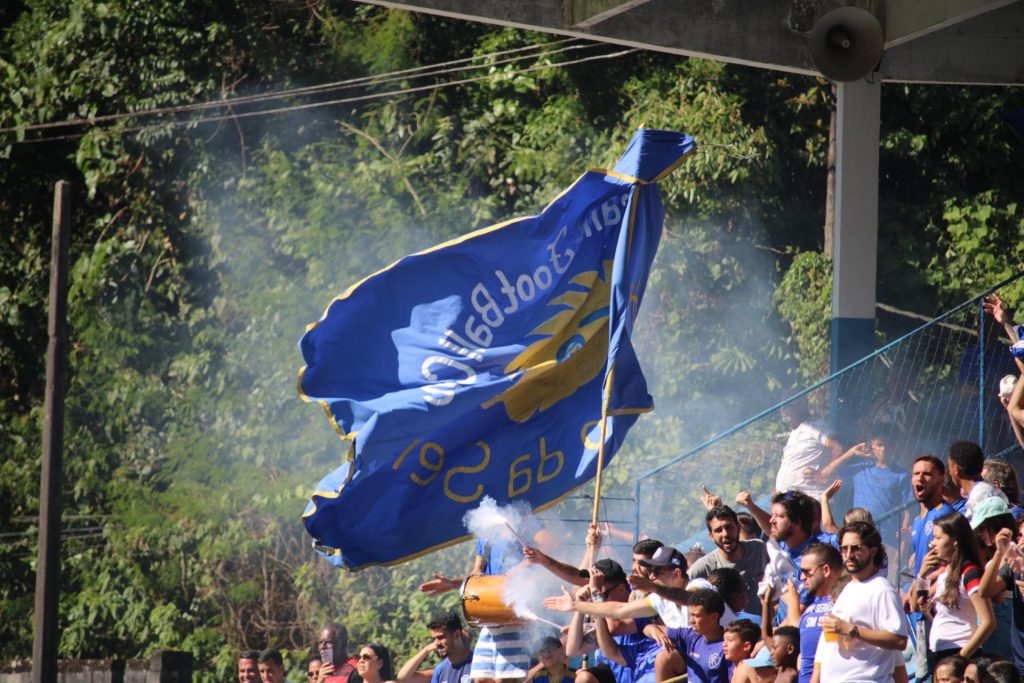
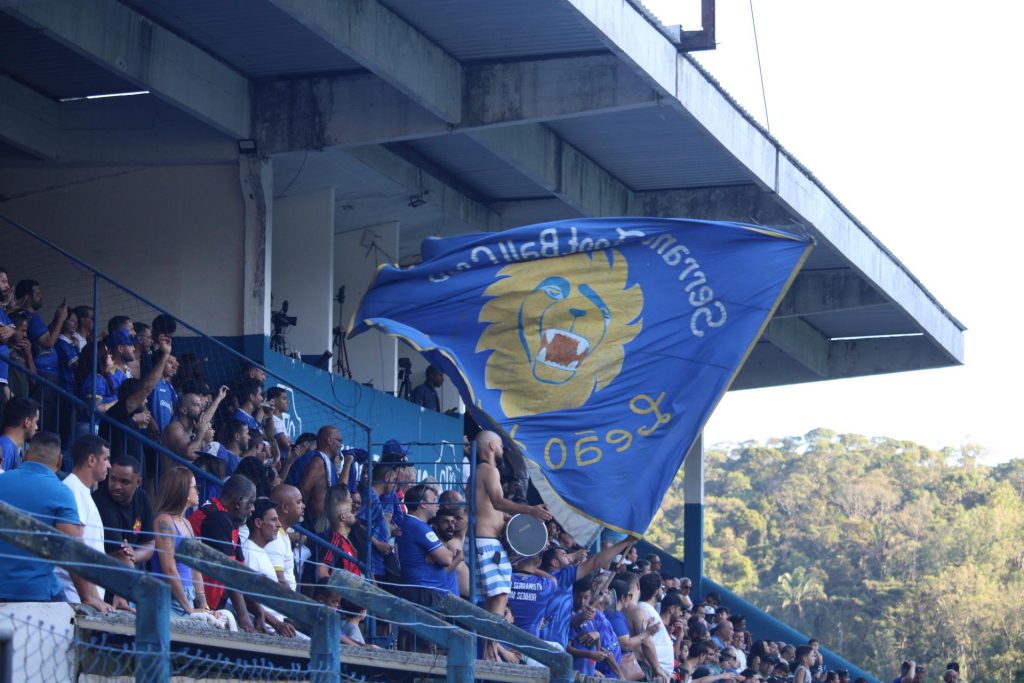
“The football culture in Rio is very special. We love our clubs and our stadiums very much. The thing we love most is being able to experience a day of joy and happiness in the stadiums. We are deeply rooted in the idea that the experience should be joyful.
“Another notable feature is always having a beer in the stadium, and there always has to be music coming from the fans, especially samba.”
It’s a reminder that matchdays are about more than just results. They are about moments that last, habits that repeat, and the comfort of knowing that the same voices, the same songs, the same beers will be there next time too.

Nights at Atílio
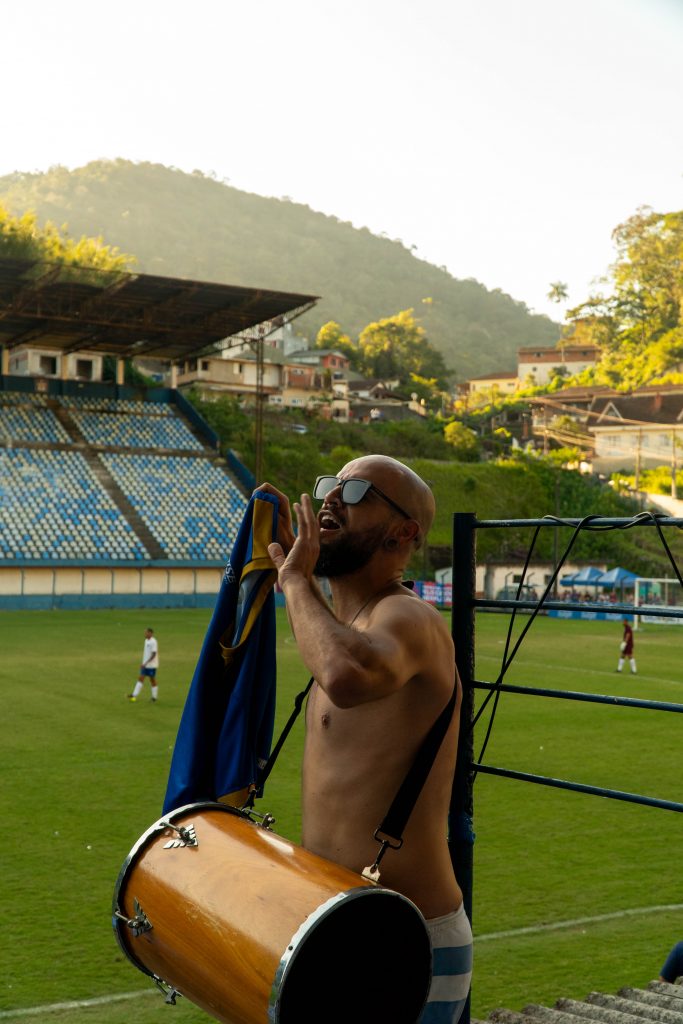
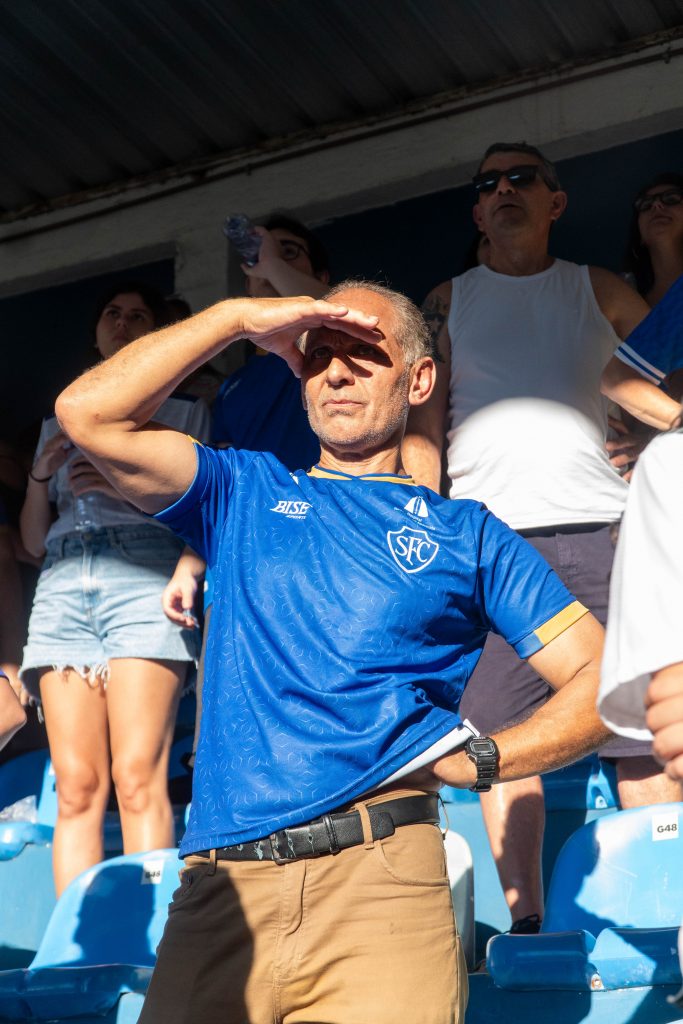
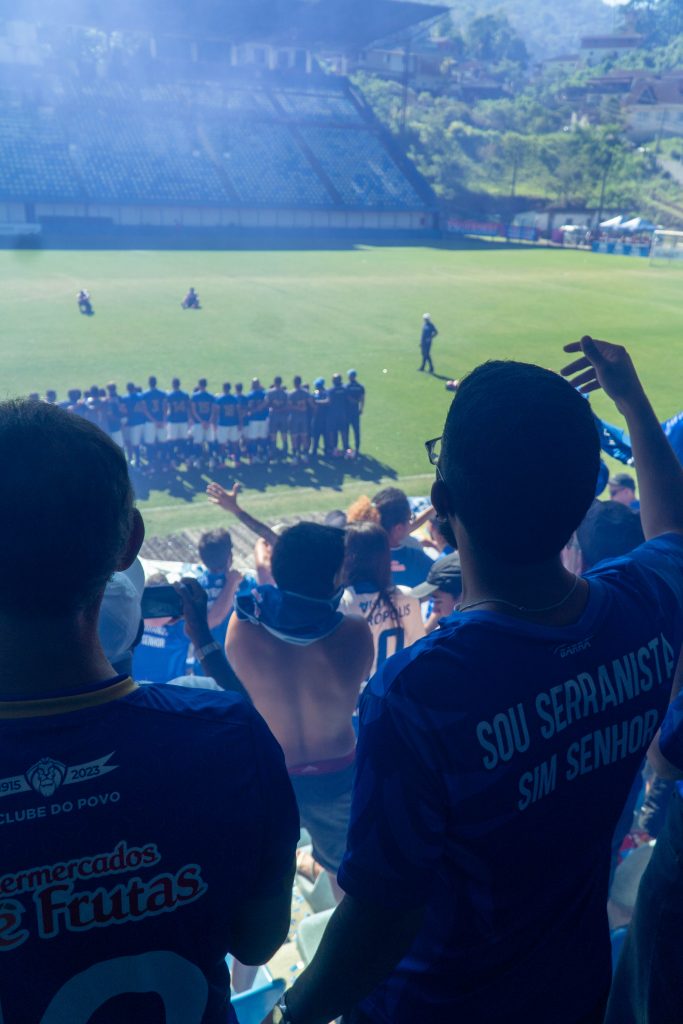
Every club has its ground, and for Serrano, it is Estádio Atílio Marotti.
“About Atílio, he is a magical stadium. It was there that we beat Flamengo, one of the biggest clubs in Brazil and the world. It was a very special night, we won 1-0 against the team led by Zico, who would go on to become world champions.
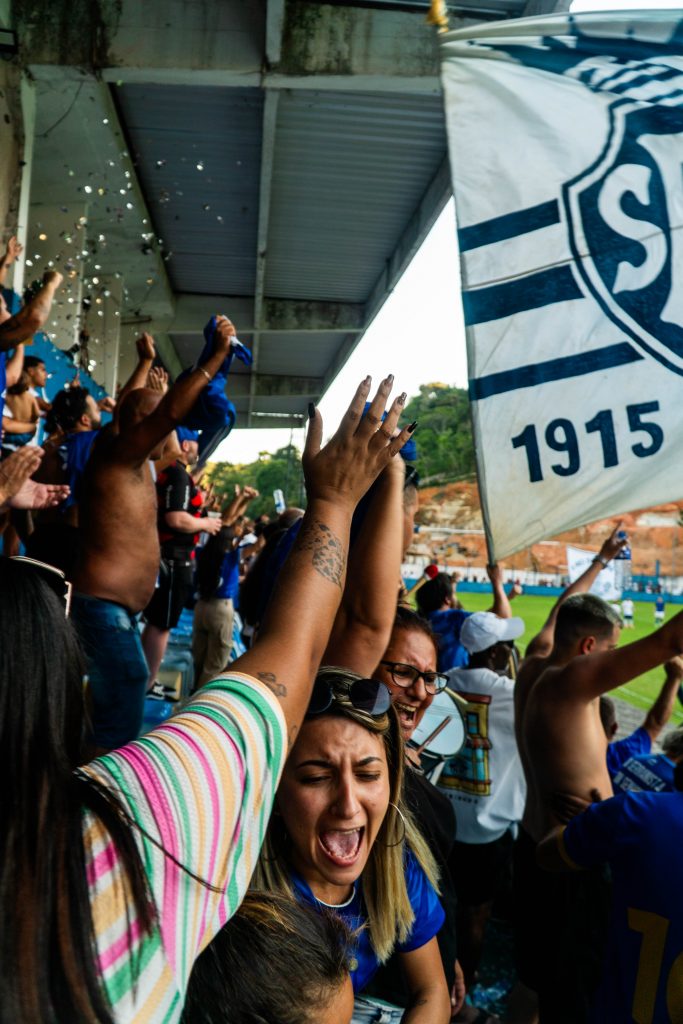
“Atílio is our home, it is a very cosy stadium that welcomes everyone equally. We always have a loyal audience of different ages.”
The story of that night against Flamengo, when Serrano beat one of Brazil’s giants, still lingers in the stands. It is these moments—a famous win, a shared celebration, a memory passed down—that sustain smaller clubs and keep them alive.
26 Years Later
This was one of those seasons. The kind you don’t forget, the kind that gets retold in bars, on terraces, and one day to kids wearing shirts a few sizes too big. After 26 long years, Serrano are champions again, lifting the Campeonato Carioca Série B1 and bringing silverware back to Petrópolis at last.
It wasn’t flashy. It wasn’t easy. But it was relentless. Serrano closed the season with a nine-game unbeaten run, finding a way when it mattered most. That stretch included two tight, hard-fought 1–0 wins in the semifinals against São Cristóvão, a club woven into Brazilian football folklore as the starting point of Ronaldo Fenômeno’s career.
The final followed the same script: composed, disciplined, and full of belief. A 2–1 victory in the first leg against Bonsucesso — another historic name, where Leônidas da Silva first kicked a ball and later gave football the bicycle kick — set the tone. A goalless draw away from home in the return leg did the rest. No drama, no chaos. Just control. The trophy was theirs.
The weight of it all made the moment heavier. Serrano’s last official title came back in 1999, also in the third tier of the Rio state league. A quarter of a century later, history finally caught up.
The numbers tell part of the story:
15 matches
8 wins, 4 draws, 3 defeats
18 goals scored, 12 conceded
And the best average attendance in the division
But this season was never just about statistics. Serrano isn’t chasing global headlines or algorithm-friendly fame. They’re chasing something closer to home — the loyalty of their city, the noise in the stands, the pride that comes with being part of Rio’s football fabric. A club that lives in memory, culture, and community. A club that once gave Garrincha his start.
This year, Serrano reminded everyone who they are.


Images by Jônatas Vieira and Hugo Lage