All words and images: Luca Miscioscia
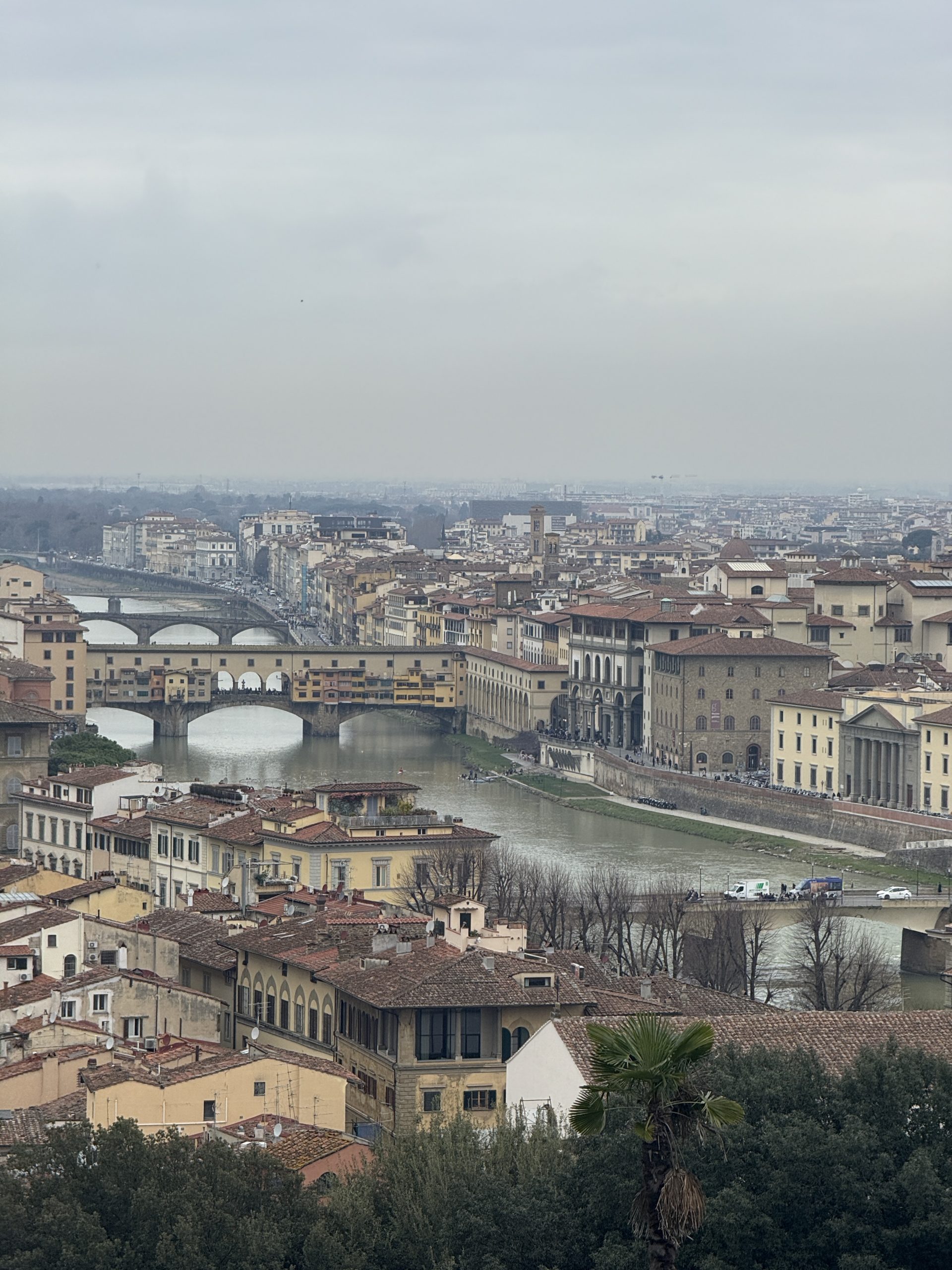
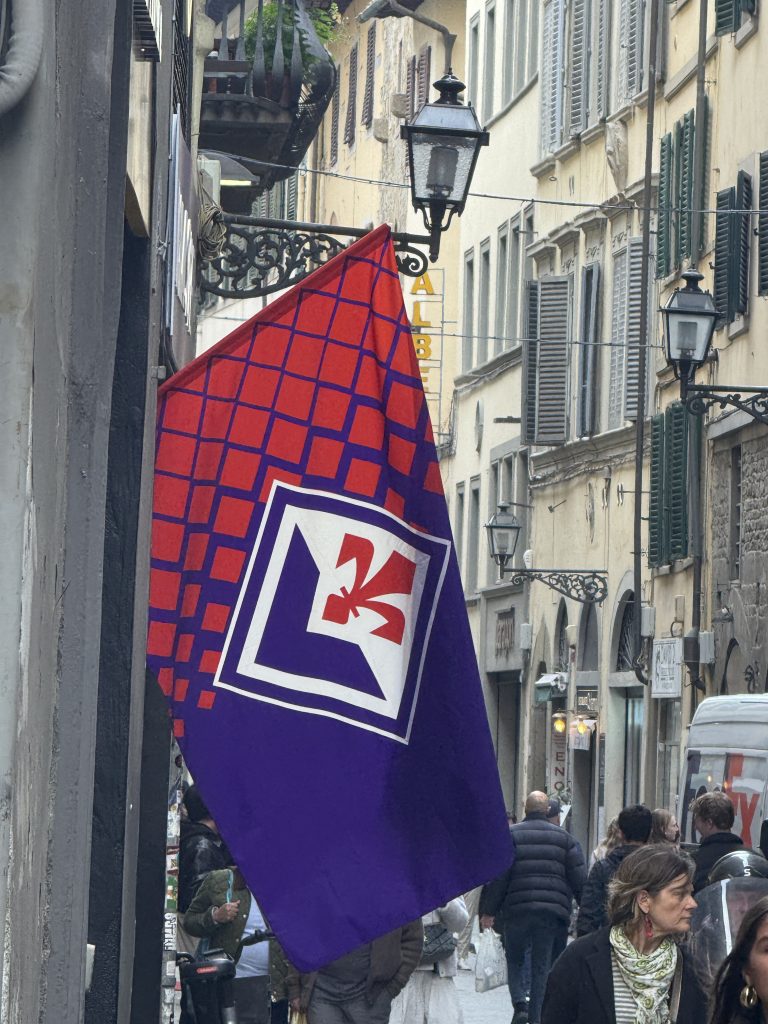
Luca arrived in Florence for the Fiorentina–Pisa derby, but not for the match alone.
He came to walk the streets of the Renaissance, to sit at a traditional Florentine table, and to feel how a city of art responds when football becomes urgent. Because in Tuscany, rivalries stretch beyond ninety minutes, they are written into bread without salt, into civic pride, into history itself.
This is his experience of Florence: the food, the view, and a derby decided by fine margins.
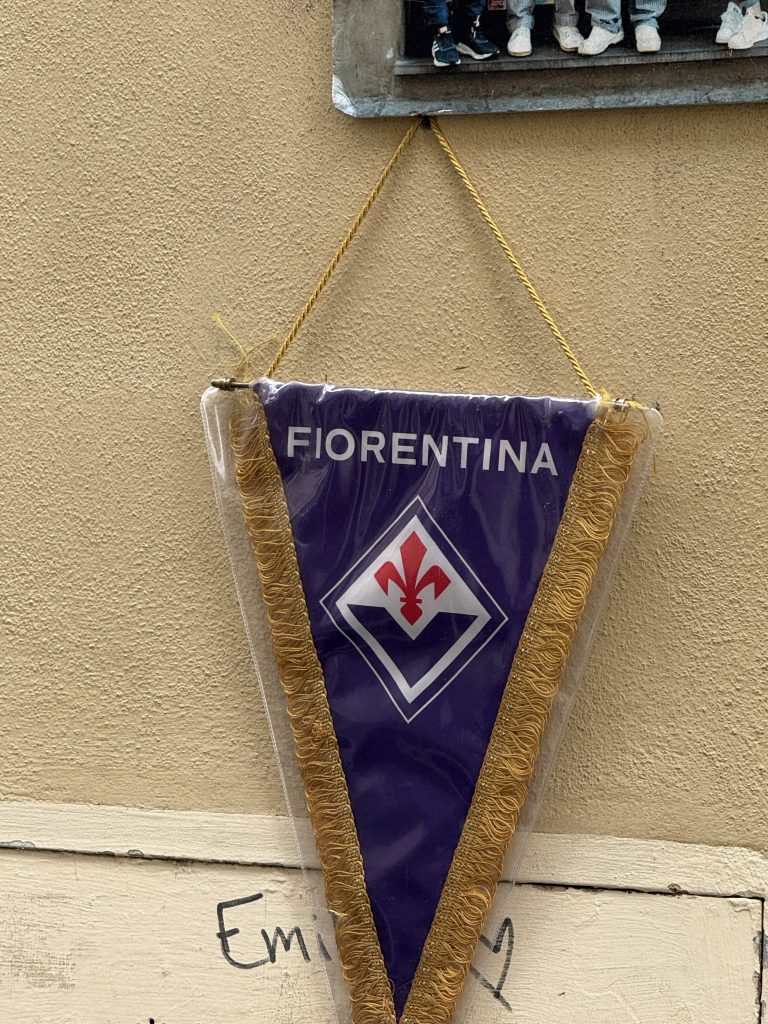
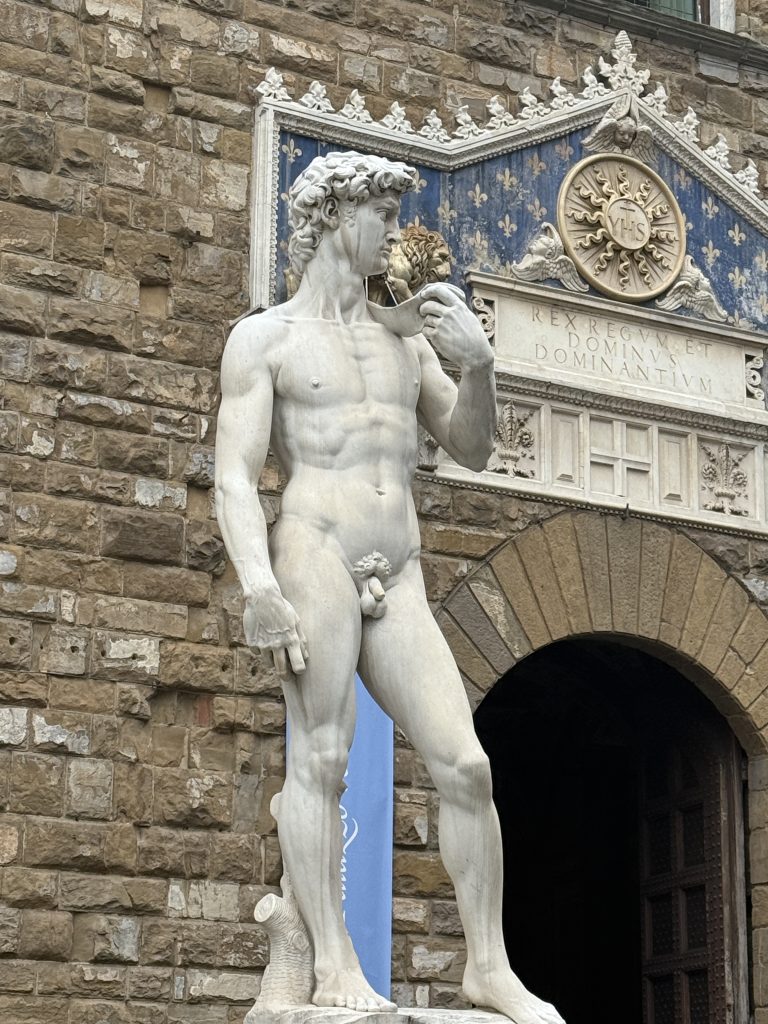
We’re in Tuscany, central Italy, in the legendary city of Florence, cradle of the Renaissance, a city of art and history that welcomes millions of visitors from all over the world each year.
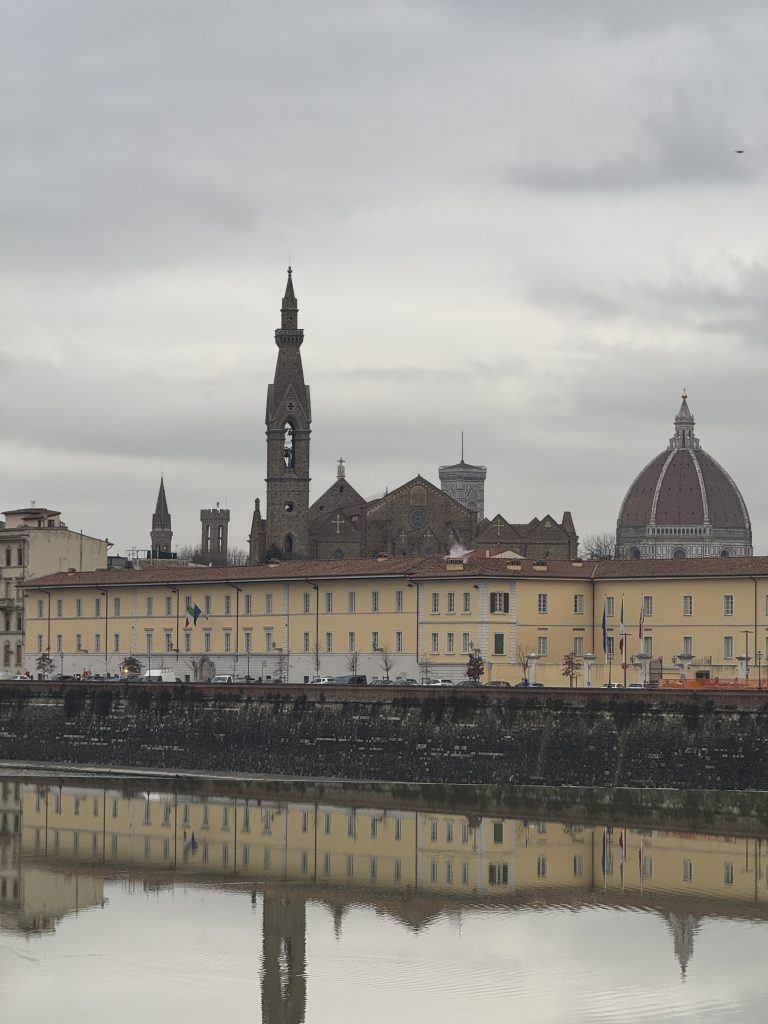
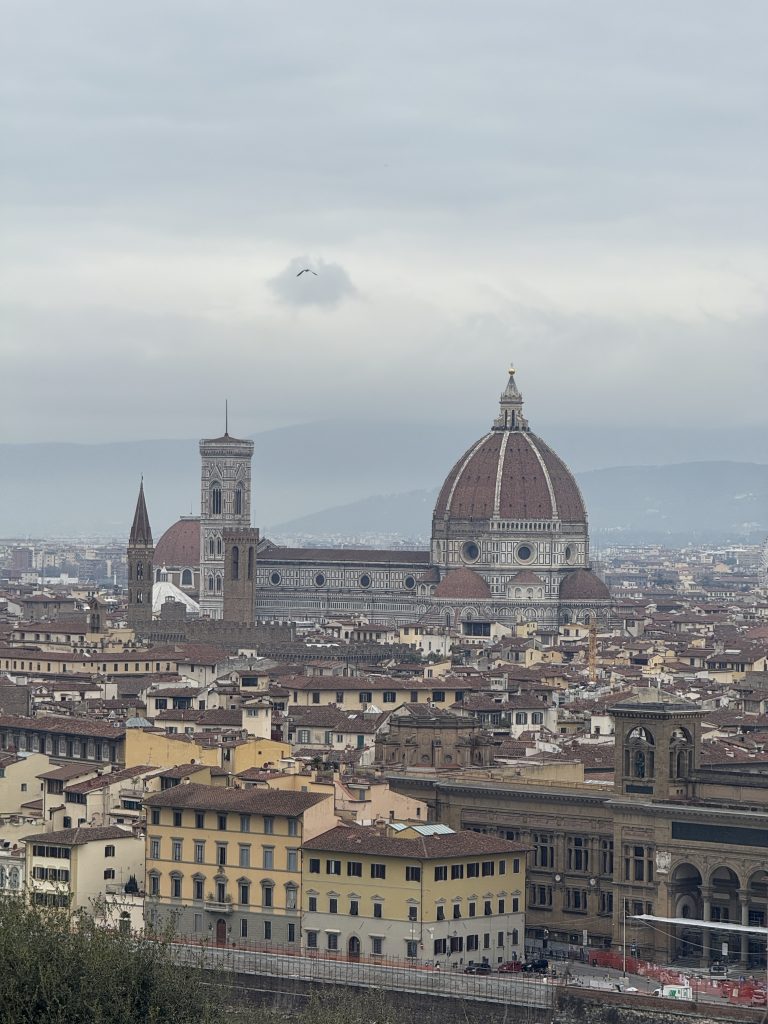
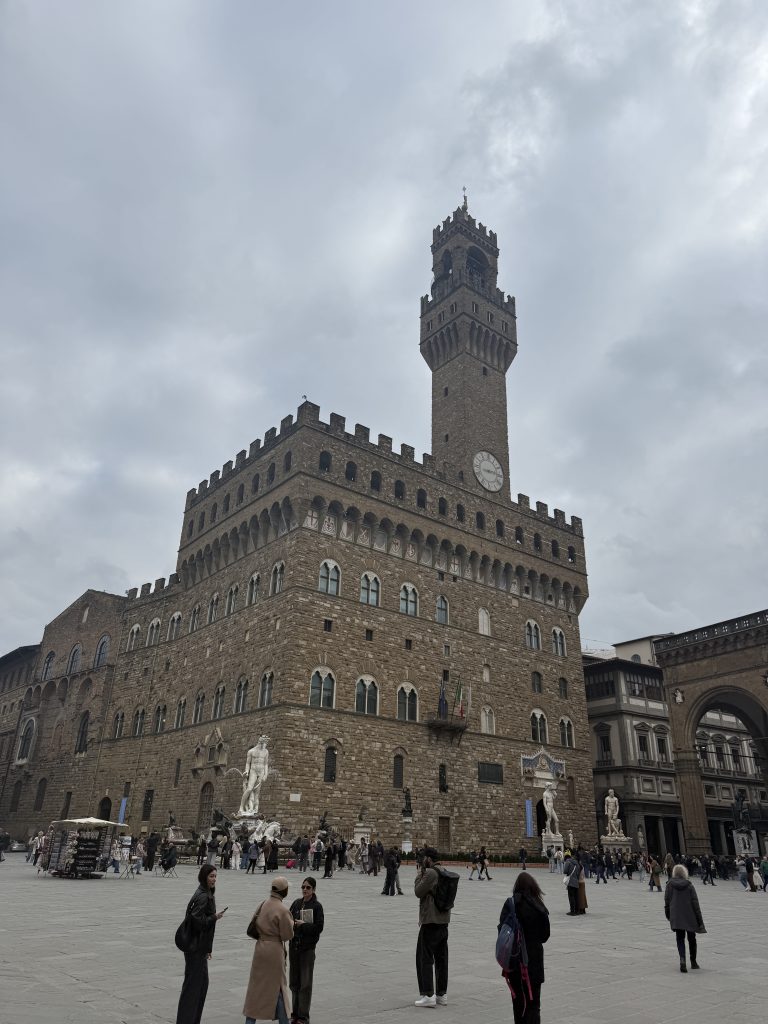
The Ponte Vecchio stretches across the Arno like a symbol of permanence. The Cathedral of Santa Maria del Fiore dominates the skyline. The Uffizi Gallery holds centuries of artistic genius. These are just some of the treasures you find here.
From Piazzale Michelangelo, in the upper part of the city, Florence opens up completely. You can admire it in full — rooftops, domes, towers, and the Arno River dividing the city into two. It’s a view that reminds you how much history lives within these streets.
But Florence is not only art and architecture.
It’s also food.
At the Table
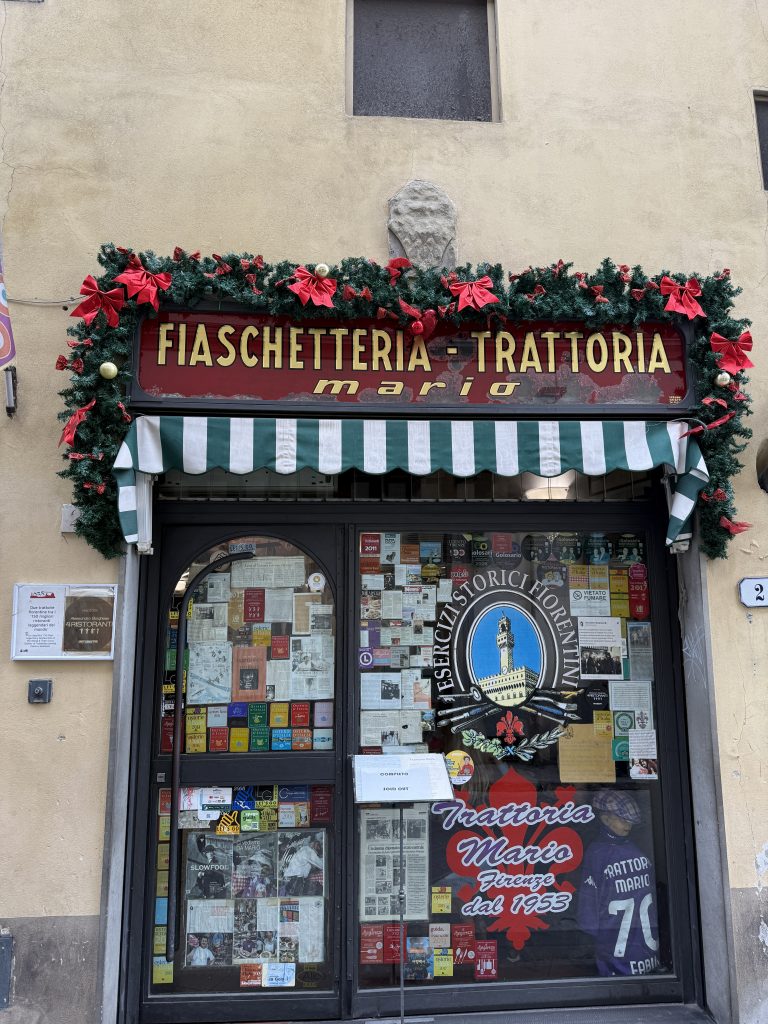
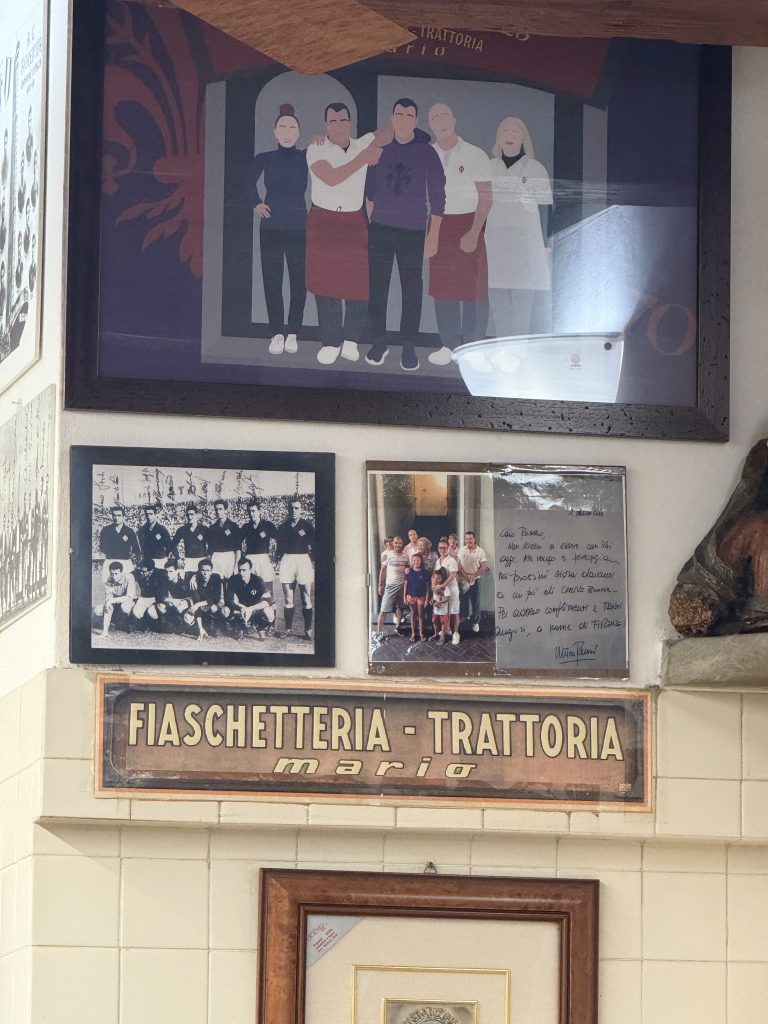
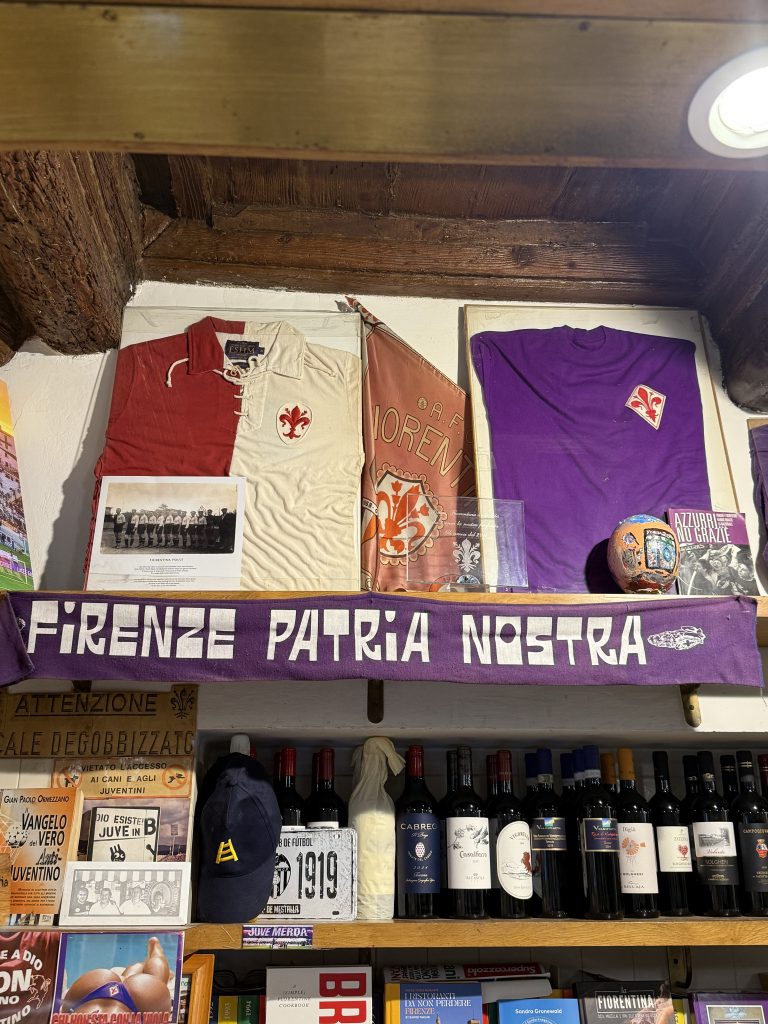
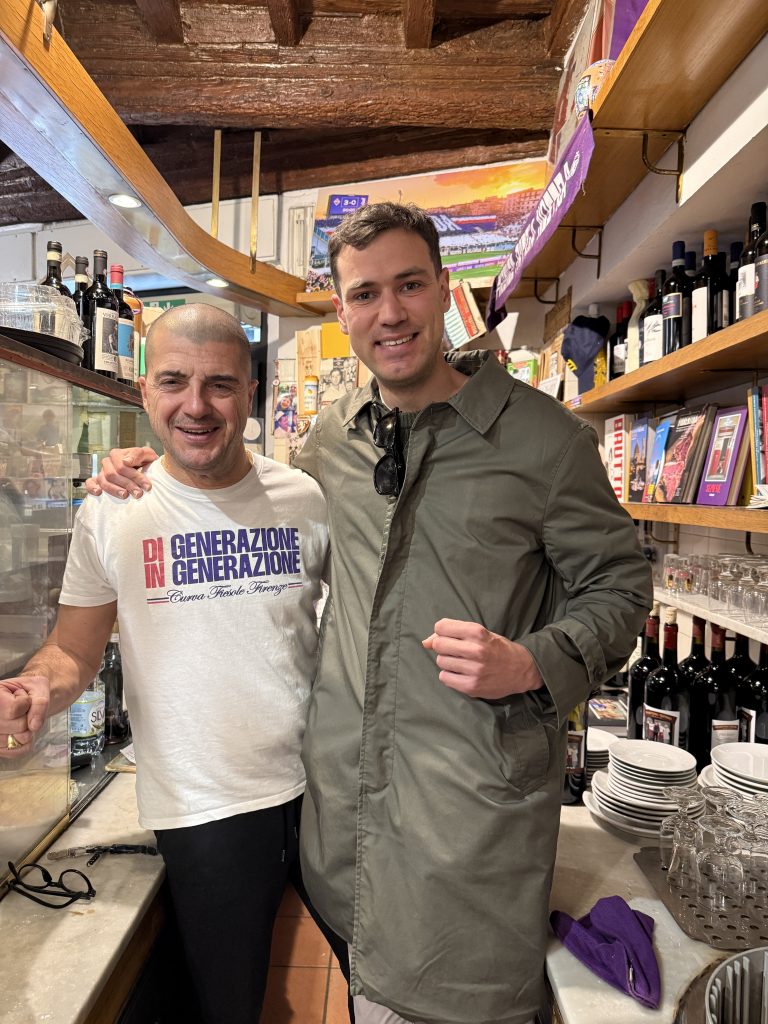
I visited Trattoria Da Mario, a traditional Florentine restaurant where the atmosphere feels unchanged by time.
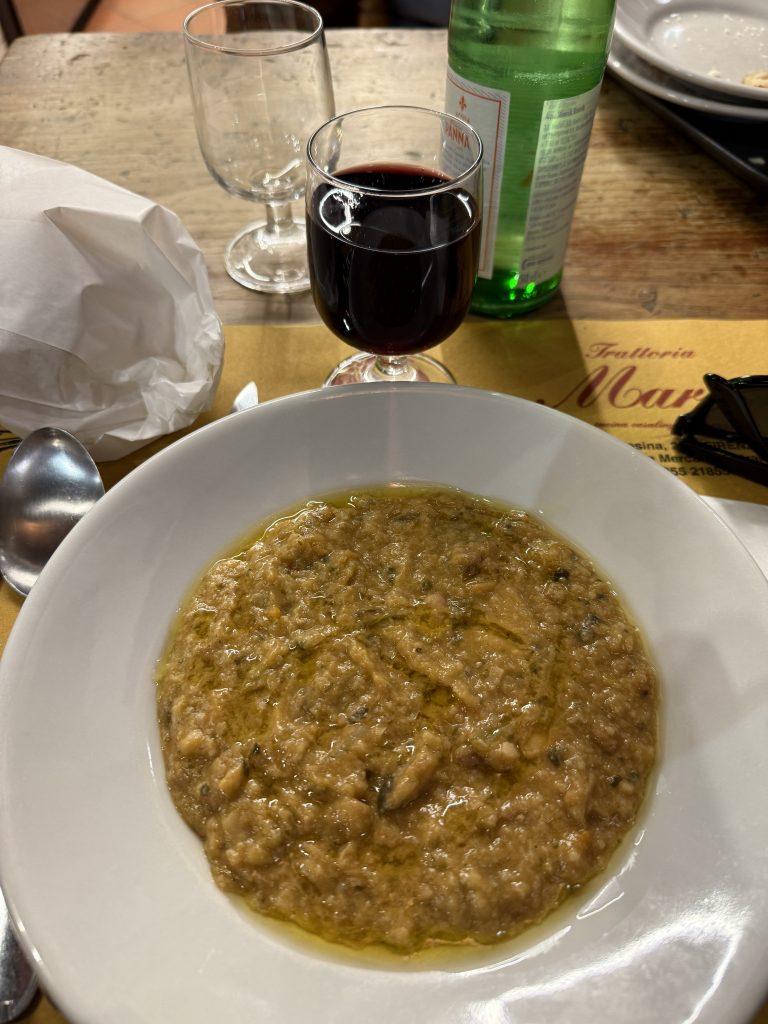
I started with ribollita.
Florentine ribollita is a rustic dish of peasant origin — a “lean soup” made with vegetables, legumes, and stale bread. It comes from a tradition of wasting nothing, especially bread. Originally, peasant women prepared large quantities of vegetable and bean soup, often on Fridays, the traditional day of fasting. The following day, the leftovers were “reboiled” in a pot with a drizzle of olive oil — hence the name ribollita.
Even the bread tells a story. Stale bread, known as pane sciocco, became popular in Florence when Pisa held a monopoly on salt. In response, Florentines began making unsalted bread — still called “sciocco” or “raffermo” today.
Even in cuisine, the Florence–Pisa rivalry runs deep.
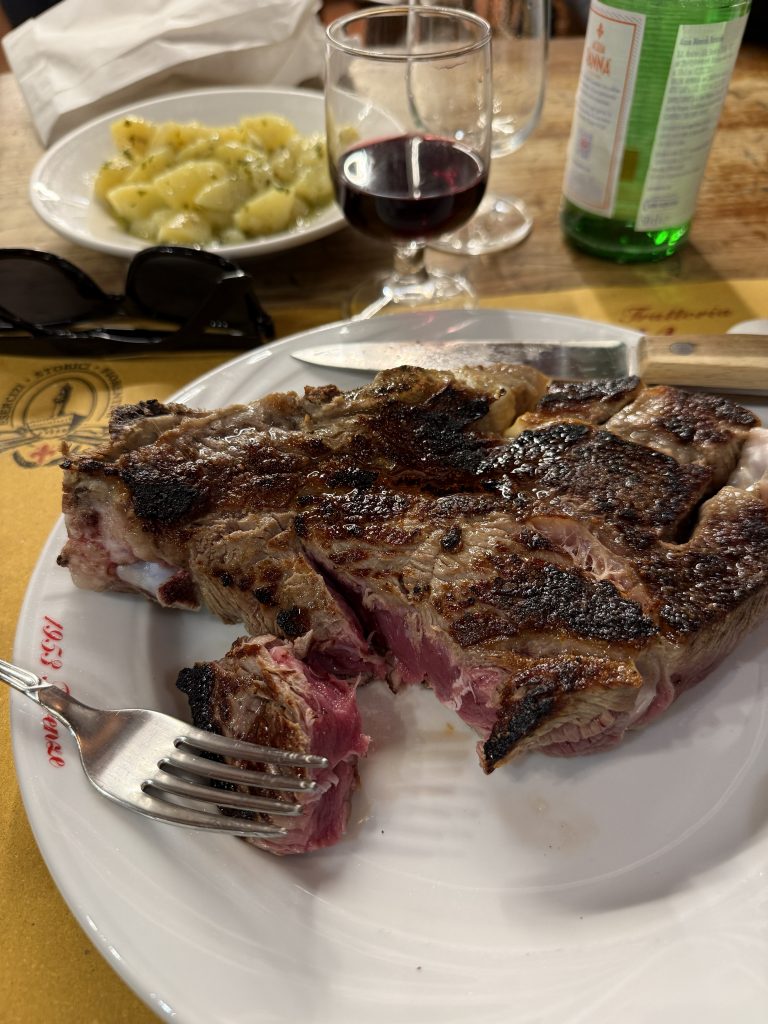
Next came the rib-eye steak — locally called ciccia. Rare and delicious, just as it’s prepared in Florence. Paired with baked potatoes and a glass of red wine, it was simple, direct, and deeply satisfying.
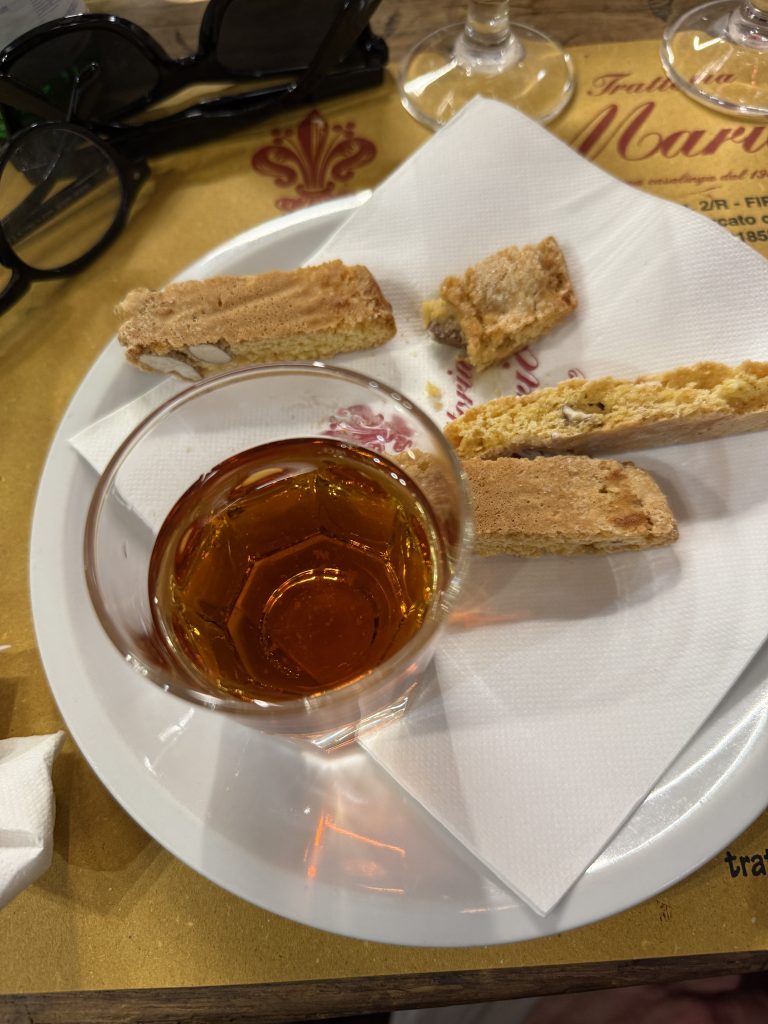
To finish, I had a typical Florentine dessert: cantucci col Vin Santo, dry almond biscuits dipped into Vin Santo, the Tuscan dessert wine made from carefully selected grapes. It’s not just dessert; it’s ritual.
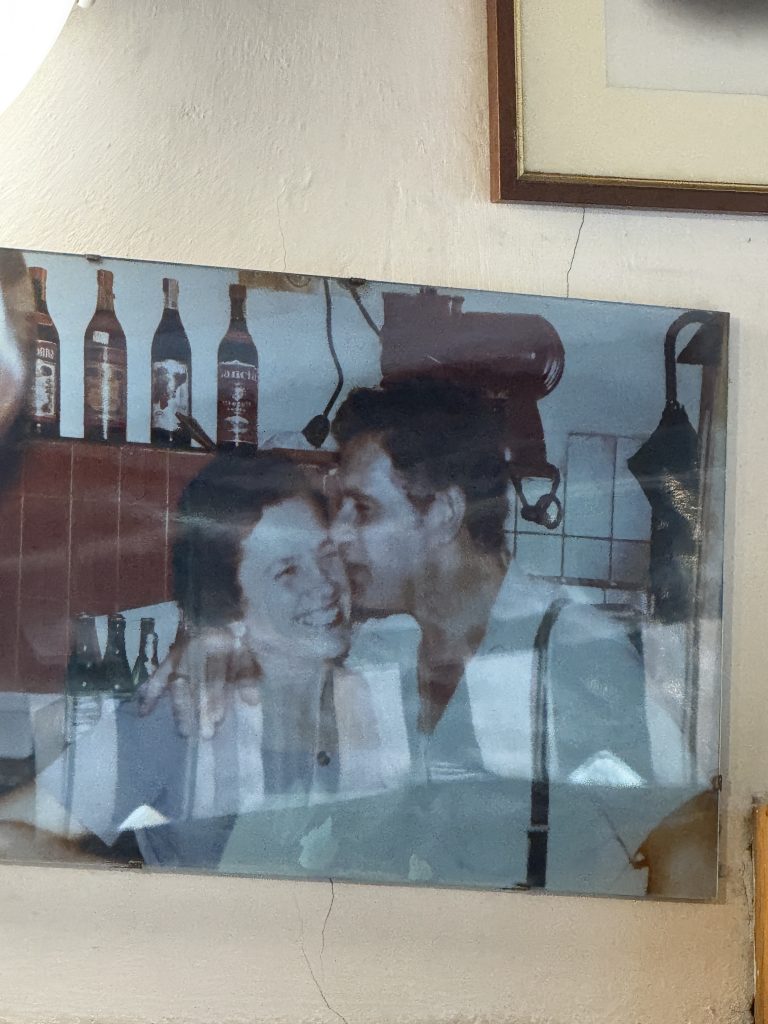
Before leaving, I stepped into the kitchen to watch the chefs at work. A memorable moment in a traditional restaurant where the air carries the scent of history and regional identity.
If you’re passing through Florence, this is a place worth seeking out.
The Derby
And then, football.
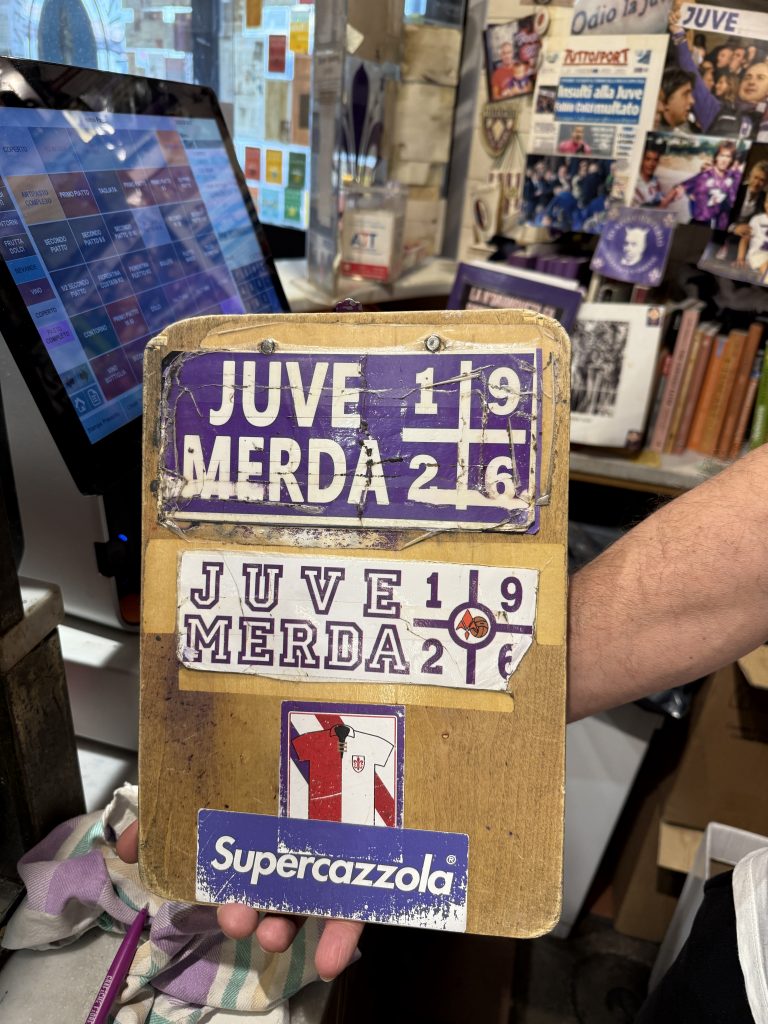
Not just any match — Fiorentina–Pisa. A true Tuscan derby between two historic cities.
This season, Fiorentina has struggled and sits in the relegation zone, as does Pisa, who returned to the top flight after 34 years away. The stakes felt heavy before kickoff.
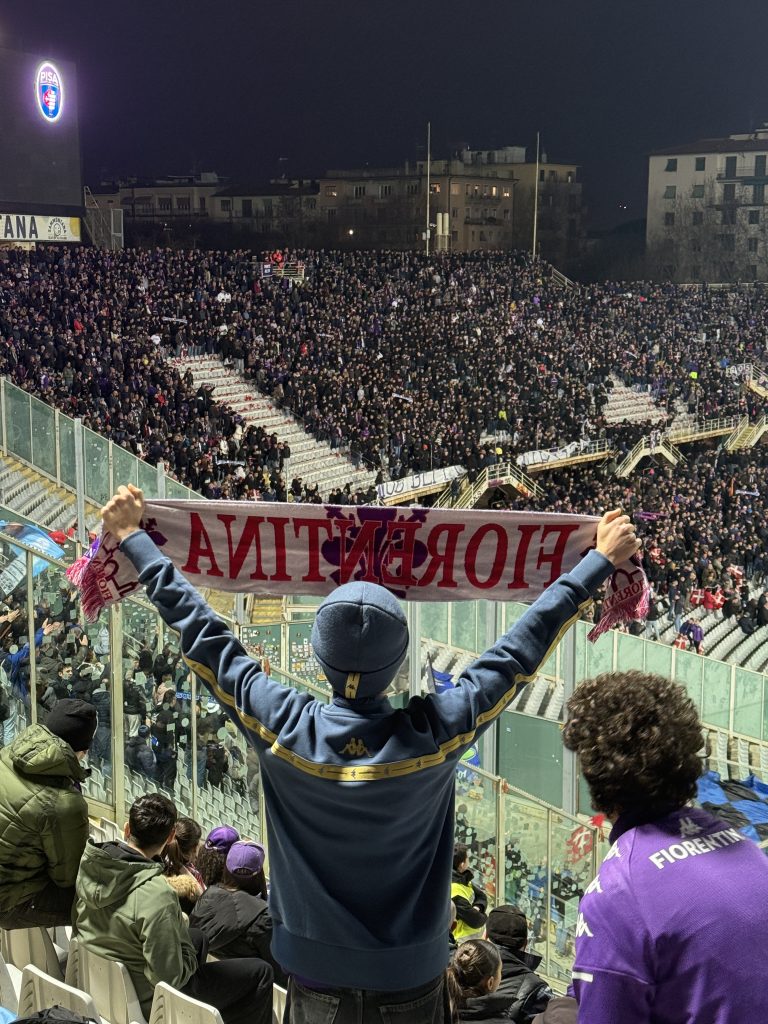
I was seated in the Maratona stand, opposite the press box. Due to maintenance work, the Curva Fiesole has temporarily relocated to the Curva Ferrovia, but the intensity has not diminished.
For this match, maximum support was required — and the fans delivered, pushing the team forward without pause.
Fiorentina won 1–0.
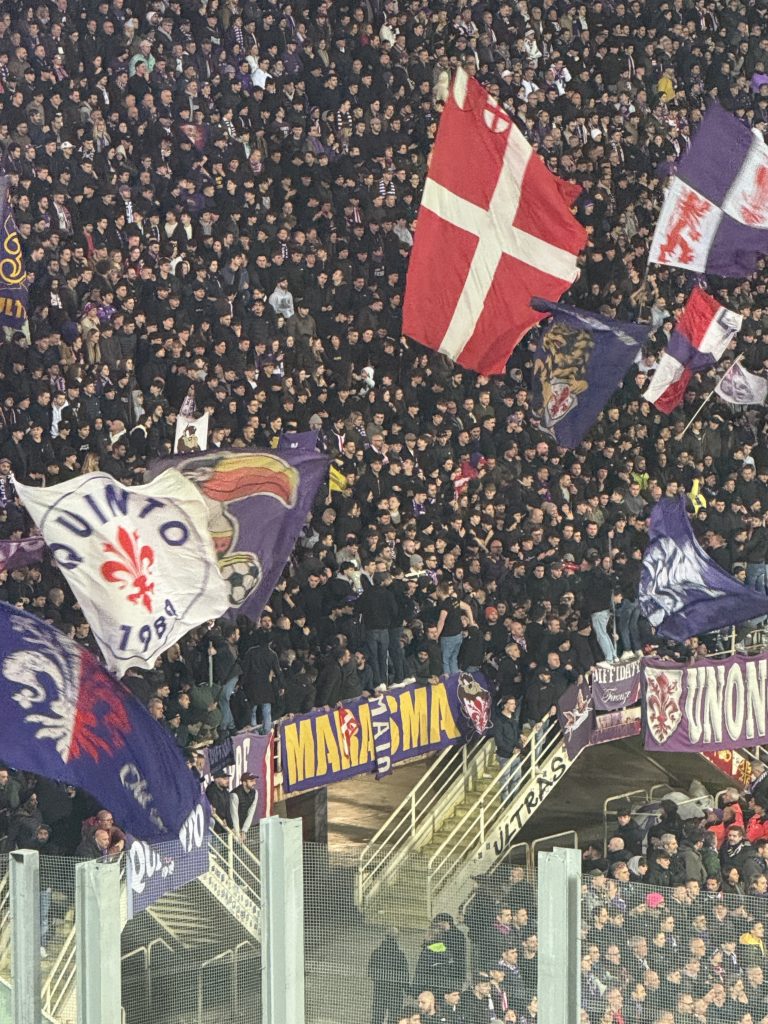
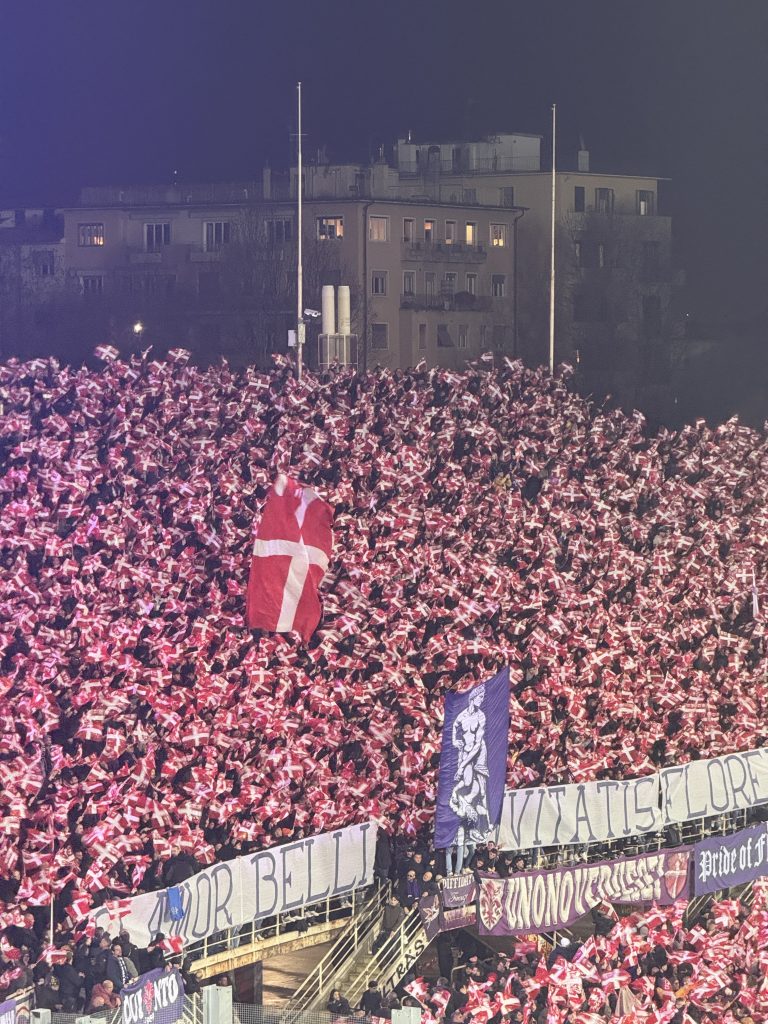
It wasn’t just three points. It was a derby victory. A step toward survival. In Florence, the idea of relegation to Serie B is not something anyone wants to contemplate.
The opening choreography, with red and white flags — the historic colours of Florence — was striking. Simple, powerful, popular. Working-class in spirit.
The visiting ultras were absent due to the limited away allocation of 300 tickets and the requirement of a fan card — a system the Pisa ultras have consistently opposed.
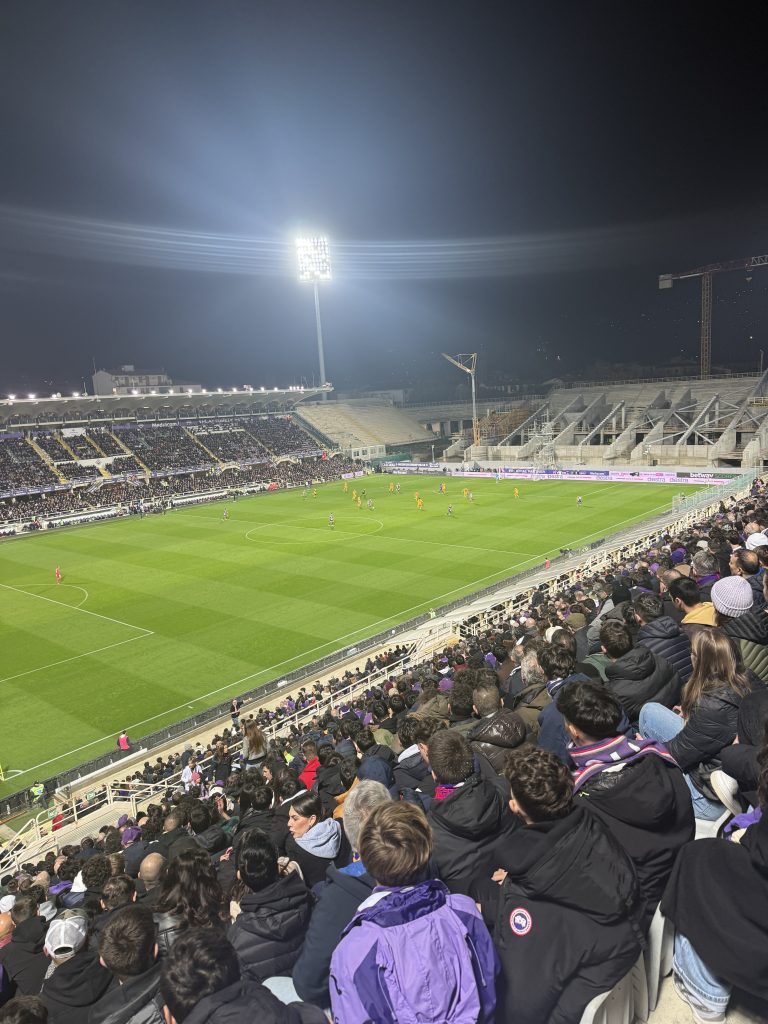
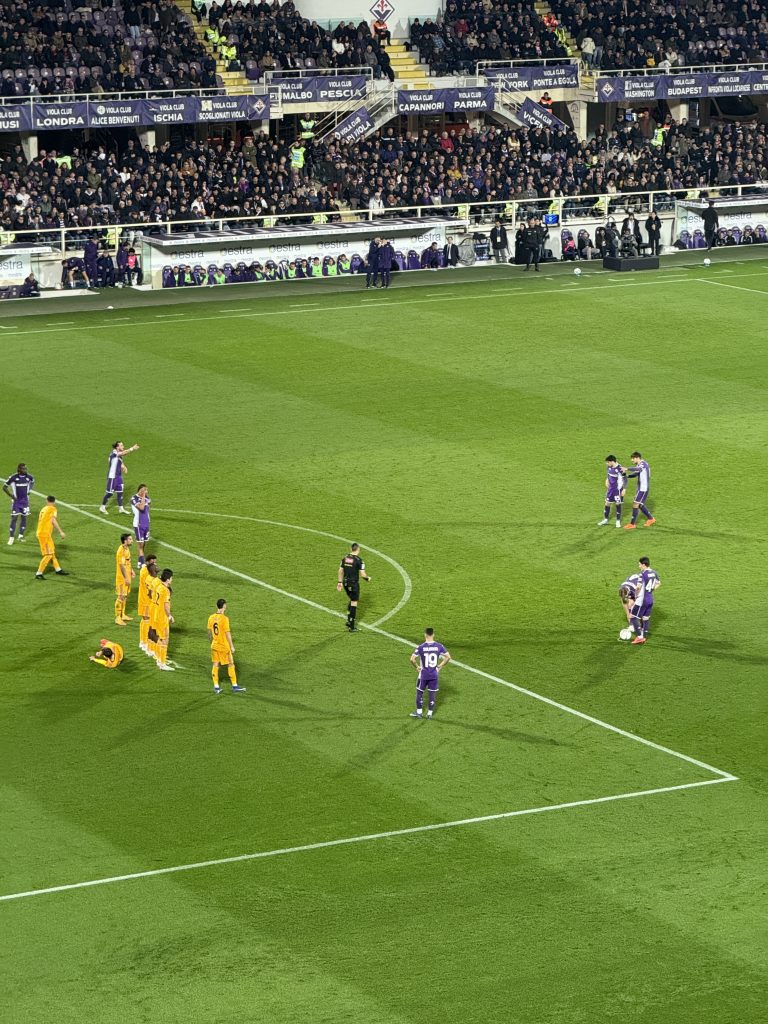
Florence offers beauty, history, and culinary tradition in abundance. The city is well connected by train to other destinations such as Bologna, making it easy to explore the wider region.
But if you want to understand Florence beyond the postcards, combine the art and the food with a match at the Artemio Franchi.
In Tuscany, culture and football are never separate. They live side by side — in the streets, at the table, and in the stands.
All words and images: Luca Miscioscia