Words: Jasmine Mooney
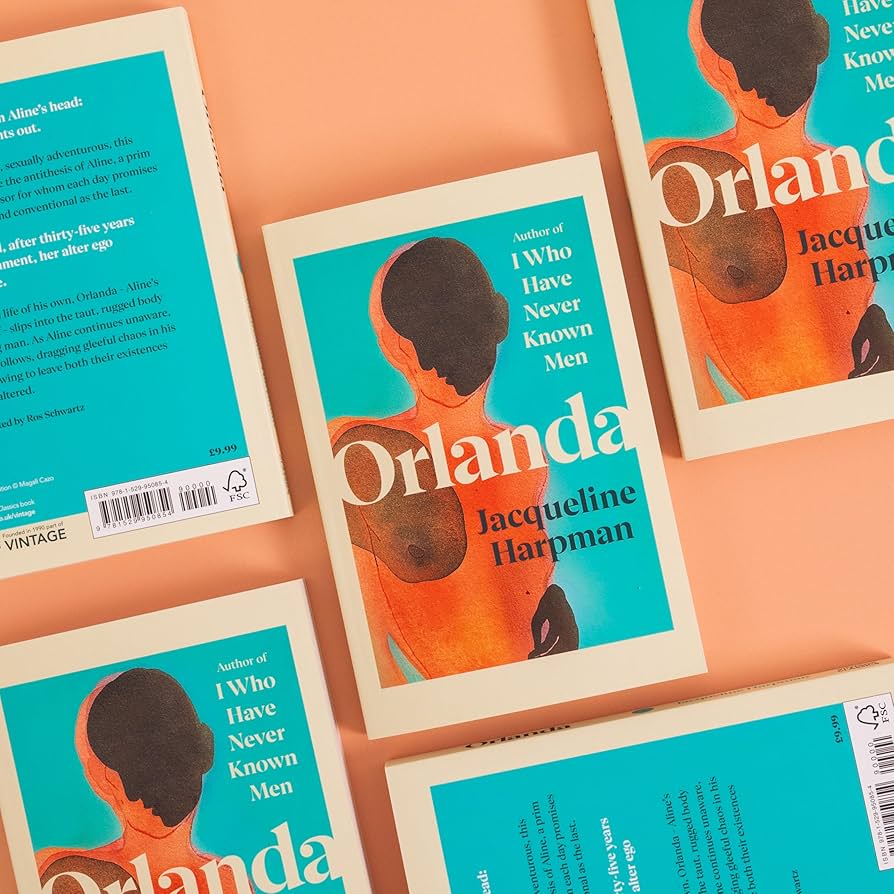
Orlanda is a bold, evocative, and thought-provoking novel that is well worth reading.
Rating: ★★★★☆
The emotional drive of the story
Jacqueline Harpman’s Orlanda (1996) gives the question, “What would it be like to live as the opposite sex?”, a provocative and philosophical twist in this riveting tale of fragmented identity.
Set in 1990s Brussels, Orlanda follows Aline Berger, a dissatisfied literature professor in her thirties tasked with analysing the novels of Virginia Woolf. Aline’s life is upended when her suppressed masculine side, christened Orlanda by the narrator, is transferred into the twenty-year-old male body of Lucien Lefrène, whom she meets by chance at a Paris train station.
The novel switches perspectives between Aline’s stagnant relationship with her partner, Albert, and her strained social life, and Orlanda’s impulsive homosexual exploits as he navigates his new body. The emotional drive of the story comes from Aline and Orlanda’s symbiotic connection.
After reuniting, the pair find themselves irresistibly drawn to one another, and it becomes increasingly difficult for them to be apart. They take desperate measures to remain together, ultimately leading to fatal consequences in the novel’s climax.
Exploration of womanhood beyond patriarchy
Having previously been overlooked, the literary works of Belgian writer and psychoanalyst Jacqueline Harpman (1929–2012) have experienced a recent resurgence in popularity following the rediscovery of her dystopian novel I Who Have Never Known Men on social media.
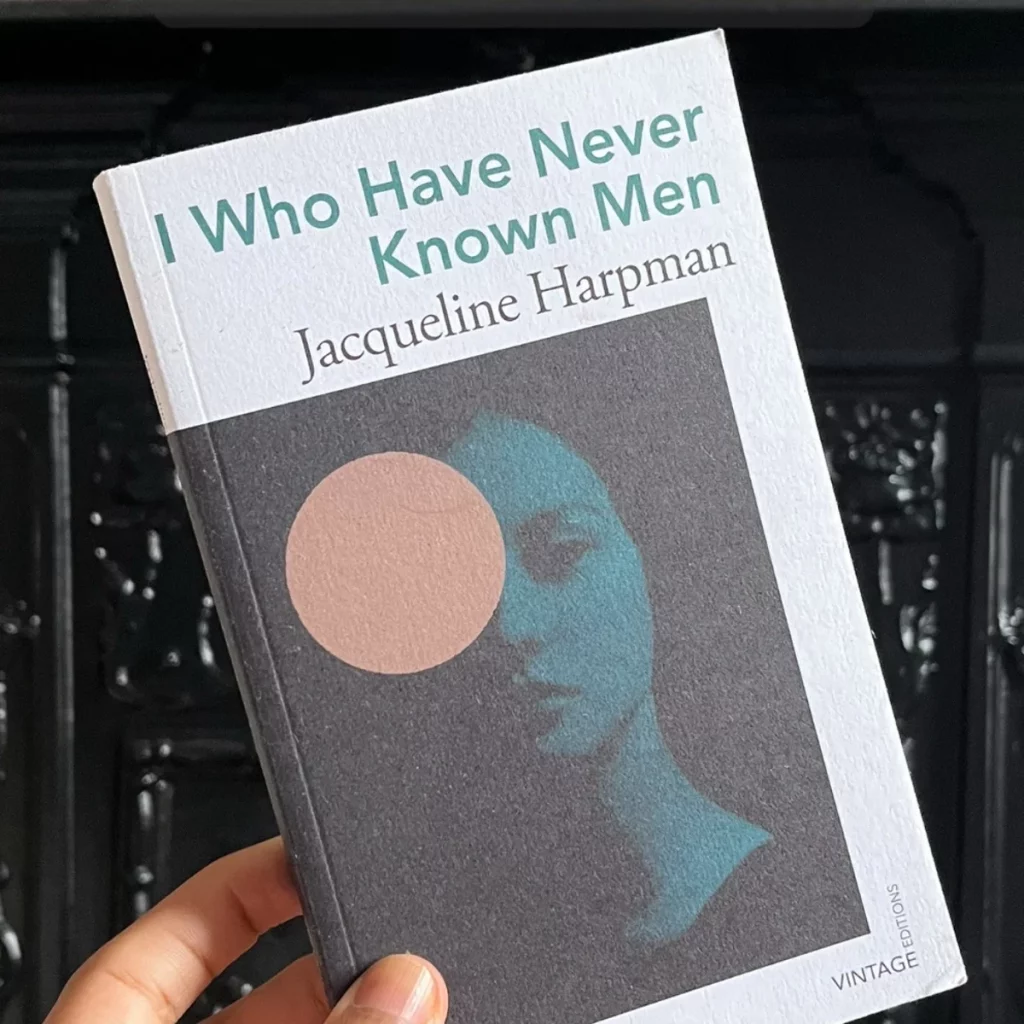
The novel takes place in a post-apocalyptic world and centres on an unnamed female protagonist who is raised in an underground bunker with thirty-nine other women, isolated from male society.
The unprecedented success of the novel, in 2024 alone, 45,000 copies were sold in the UK, has been attributed to its resonant themes of female subjugation, its exploration of womanhood beyond patriarchy, and comparisons with other dystopian classics such as Margaret Atwood’s The Handmaid’s Tale (1985).
Released a year later, Orlanda develops many of the themes and techniques found in I Who Have Never Known Men. Both novels utilise fantastical premises, the body-swap trope and the dystopian segregation of men and women, respectively, to complement their explorations of gender identity and loneliness.
While I Who Have Never Known Men depicts the external effects of a world without men on its protagonist’s identity, Orlanda explores the nuances of individual identity through the embodiment of both feminine and masculine selves. However, unlike its predecessor, Orlanda has so far failed to break into the wider public consciousness despite its strong critical reception.
Orlanda is a memorable read for its subversive characterisations and musings on the nature of identity itself. Harpman does not simply present Aline and Orlanda as opposites, wild and restrained, young and old, feminine and masculine, sexual and asexual—but as doubles.
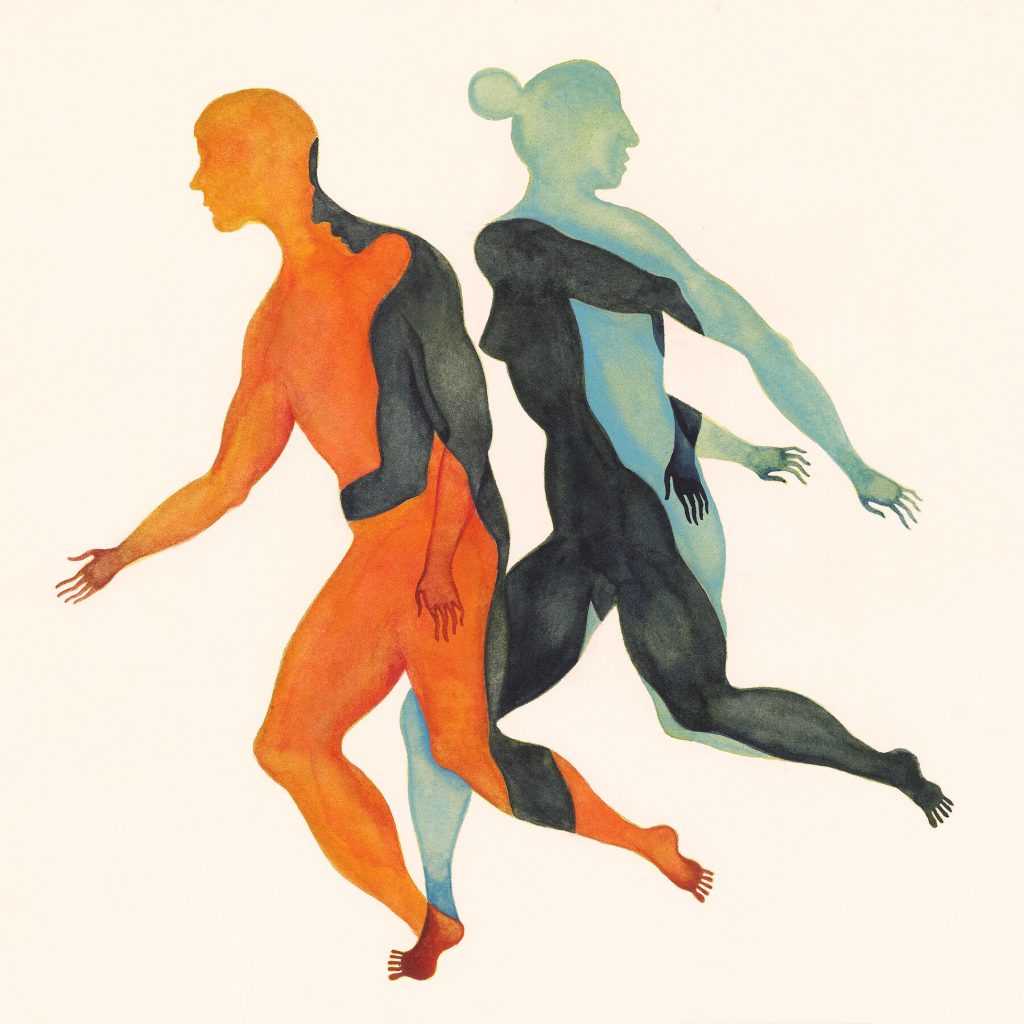
Despite losing Orlanda, Aline becomes increasingly reckless and confident compared with her former self. The pair are able to connect instantly through their complementary, rather than identical, actions. The narrator concisely describes their relationship as “not a division but a duplication.”
Censorship and euphemism
Harpman’s prose is captivating in its minimalist and fluid style. This is achieved through the use of free indirect discourse, another possible callback to Woolf’s modernist writing, which allows the narrative voice to flow between the unnamed narrator, Aline, and Orlanda. This technique effectively brings readers into the characters’ most intimate thoughts, fleshing out both Aline and Orlanda as singular yet interconnected figures. Moreover, the narrator is revealed not to be an entirely objective presence, frequently expressing personal judgement about Orlanda’s sexual exploits, often through censorship and euphemism, and surprise at Aline’s lies and reckless behaviour, admitting that “[h]uman complexity sometimes catches the storyteller out.” One drawback of this style, however, is that it can occasionally be difficult to determine which character’s thoughts are being represented.
Ultimately, the novel offers insight into how the self can be composed of many fragments that together create a cohesive and fulfilling identity. Harpman’s flowing prose complements this message and reinforces the novel’s central theme of duality. Overall, Orlanda is a bold, evocative, and thought-provoking novel that is well worth reading.
All words by Jasmine Mooney